Table of Contents
- Quick Summary
- 1. Ignoring Proper Focus for Sharp Images
- 2. Overlooking Composition Basics
- 3. Using Incorrect Exposure Settings
- 4. Forgetting to Check White Balance
- 5. Relying on Automatic Mode Too Often
- 6. Neglecting the Importance of Lighting
- 7. Failing to Review and Edit Photos
- Avoid Common Photography Mistakes with Expert Guidance
- Frequently Asked Questions
- Recommended
This blog post may contain affiliate links. As an Amazon Associate I earn from qualifying purchases.
Capturing the perfect photograph can feel just out of reach when your images turn out blurry, poorly composed, or fail to capture the moment as you remember it. Even the best camera can cause photography mistakes if you overlook fundamental techniques that make pictures sharp, balanced, and visually appealing. The right knowledge lets you avoid common mistakes and create images that truly stand out.
This guide reveals practical insights drawn from proven photography principles. You will discover what separates forgettable snapshots from eye-catching photographs—and learn specific steps to improve your results immediately. Get ready to explore the biggest pitfalls holding photographers back and unlock tips that make every shot count.




Quick Summary
| Key Message | Explanation |
|---|---|
| 1. Master Focus Techniques | Understand your camera’s autofocus and manual focus to capture sharp images consistently. |
| 2. Prioritize Composition Basics | Employ composition strategies like the rule of thirds to create visually engaging photographs. |
| 3. Control Exposure Settings | Learn to balance shutter speed, aperture, and ISO for optimal exposure and image quality. |
| 4. Adjust White Balance Properly | Use correct white balance settings to ensure accurate color representation in your photos. |
| 5. Break Free from Automatic Mode | Gradually learn manual controls to enhance your creative freedom and technical skills in photography. |
1. Ignoring Proper Focus for Sharp Images
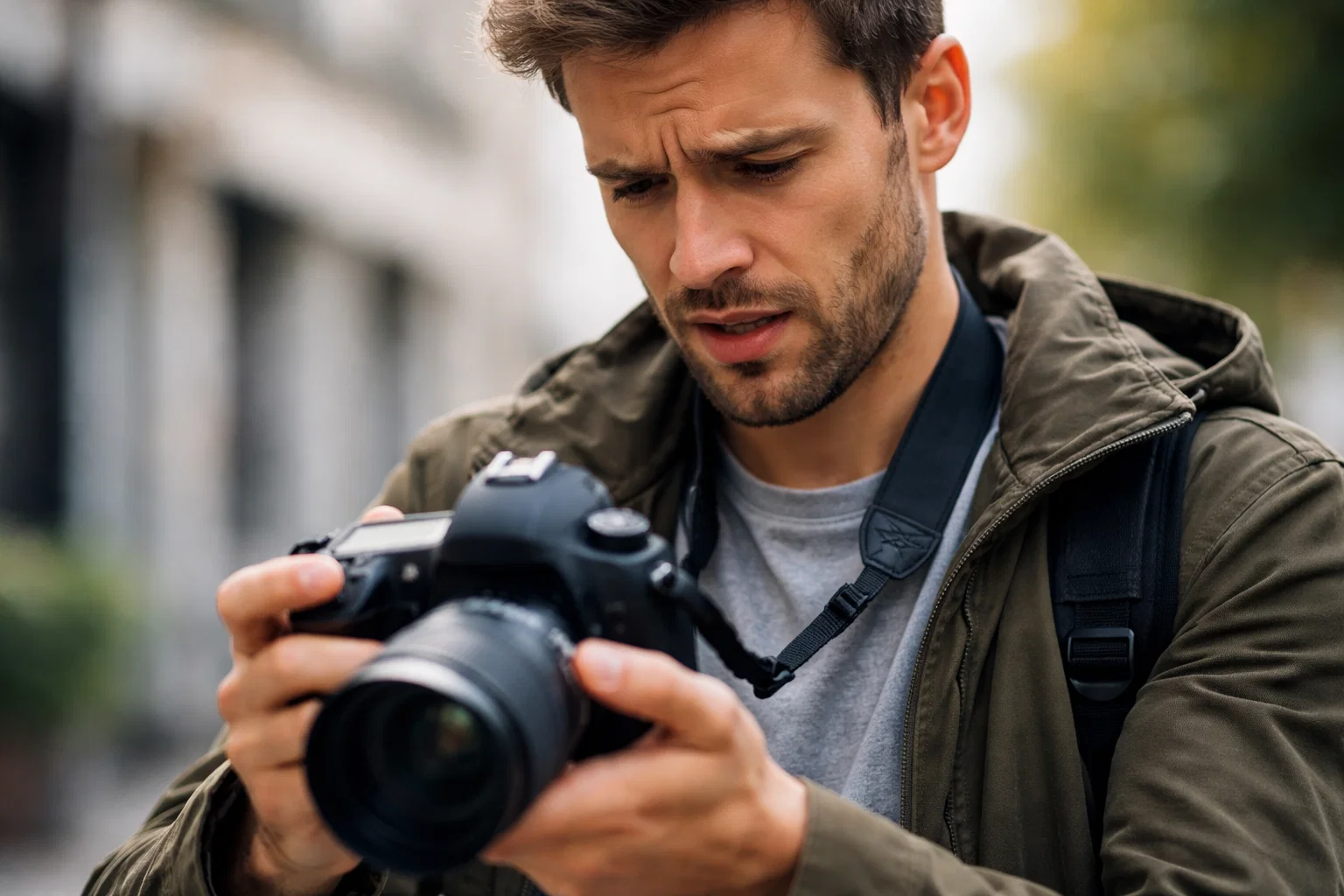
Capturing sharp images starts with understanding and mastering focus techniques. Many amateur photographers overlook the critical role of precise focus, resulting in blurry or soft photographs that fail to showcase their intended subject.
Focus is more than just pointing your camera and pressing the shutter. It involves understanding how your camera’s autofocus system works and knowing when to switch to manual focus. Different shooting scenarios require different focusing strategies.
Key reasons photographers struggle with focus include:
- Relying exclusively on automatic camera settings
- Not understanding depth of field
- Rushing through image composition
- Mishandling camera stability
- Selecting incorrect focus points
Sharp images demand intentional technique and careful camera handling.
To achieve consistently sharp images, photographers must learn to control their focusing methods. This means understanding how focal plane settings impact image clarity and practicing techniques that minimize camera shake.
Practical focus strategies include:
- Learn your camera’s autofocus modes
- Practice manual focusing techniques
- Use stable shooting positions
- Select appropriate aperture settings
- Stabilize your camera with tripods or image stabilization
Pro tip: Always check image sharpness immediately after shooting by zooming in on your camera’s preview screen to confirm focus accuracy.
2. Overlooking Composition Basics
Photography goes far beyond simply pointing and shooting. Composition transforms ordinary scenes into compelling visual stories that captivate viewers and elevate your photographic skills.
Composition is the strategic arrangement of visual elements within your photograph. It determines how viewers perceive and emotionally connect with your image. Without understanding basic composition principles, even technically perfect photographs can feel flat and uninteresting.
Key composition techniques include:
- Rule of thirds placement
- Leading lines
- Balancing visual weight
- Creating depth and perspective
- Framing your subject
Composition is the visual language that speaks directly to your audience.
Mastering composition requires intentional practice and understanding how different elements interact within your frame. Focal plane positioning plays a crucial role in guiding viewer attention and creating visual impact.
Photographers can improve composition by:
- Practicing grid overlay techniques
- Studying professional photographs
- Experimenting with different angles
- Understanding visual balance
- Learning to simplify complex scenes
Pro tip: Always pause and analyze your frame before clicking the shutter to ensure your composition tells the story you want to communicate.
3. Using Incorrect Exposure Settings
Mastering exposure settings is crucial for creating high-quality photographs that accurately capture light and detail. Many amateur photographers struggle with understanding how shutter speed, aperture, and ISO work together to produce a well-balanced image.
Exposure is essentially the amount of light that reaches your camera sensor. Too little light results in dark, muddy images while too much light creates washed-out photographs with lost details. Proper exposure requires strategic balance.
Critical exposure elements include:
- Shutter speed control
- Aperture adjustment
- ISO sensitivity management
- Understanding lighting conditions
- Recognizing scene complexity
Exposure is the foundation of photographic image quality.
Photographers can improve exposure by understanding how each camera setting impacts light capture. Back button focus techniques can help photographers maintain consistent exposure while shooting.
Strategies for better exposure control:
- Learn manual camera mode settings
- Practice using exposure compensation
- Study histogram readings
- Experiment in different lighting environments
- Use bracketing techniques
Pro tip: Always shoot in RAW format to provide more flexibility in post-processing exposure corrections.
4. Forgetting to Check White Balance
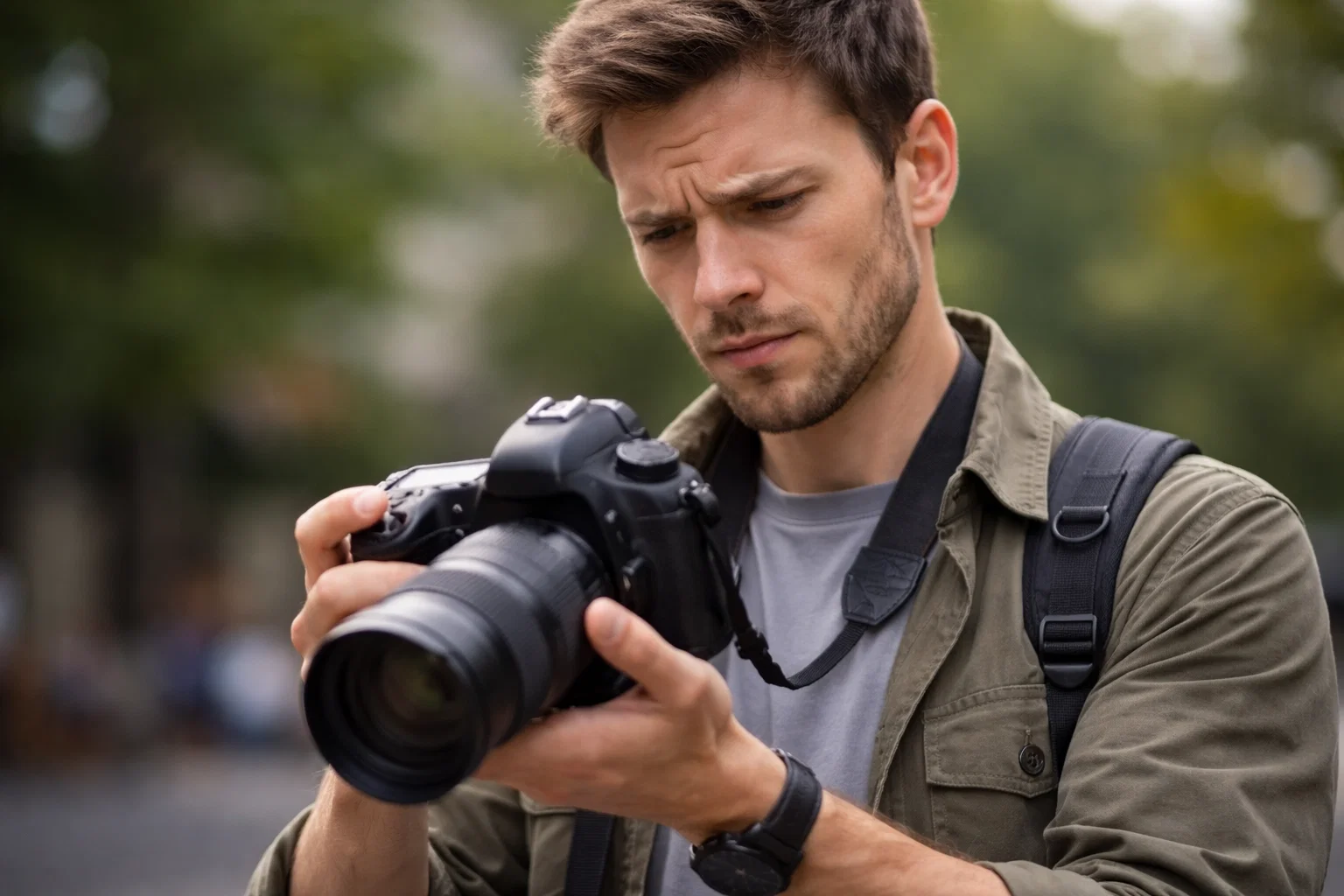
White balance is the unsung hero of color accuracy in photography. Many photographers overlook this critical setting that can transform a mediocre image into a stunning visual representation of reality.
Every light source produces a different color temperature that can dramatically alter how colors appear in your photograph. Sunlight looks different from fluorescent lighting or candlelight. Without proper white balance adjustment, your images can develop unnatural color casts that make scenes look unrealistic or emotionally disconnected.
Key white balance challenges include:
- Inconsistent indoor lighting
- Mixed light sources
- Dramatic color shifts
- Skin tone inaccuracies
- Mood and emotional impact
White balance bridges the gap between what your eye sees and what your camera captures.
Photographers can manage white balance through multiple strategies. Focal plane settings interact closely with white balance to ensure precise color representation.
Effective white balance techniques:
- Learn preset camera white balance modes
- Use custom white balance settings
- Shoot in RAW format for easier corrections
- Practice manual white balance adjustments
- Understand color temperature scales
Pro tip: Carry a white or gray card to create custom white balance references in challenging lighting environments.
5. Relying on Automatic Mode Too Often
Automatic camera modes might seem like a photographer’s best friend. But they can quickly become a creative straightjacket that limits your ability to capture truly extraordinary images.
While automatic settings promise convenience, they rob you of the fundamental skills and creative control that transform ordinary snapshots into compelling visual stories. Camera algorithms are designed for average scenarios but cannot understand the nuanced artistic vision you want to express.
Limitations of automatic mode include:
- Generic exposure calculations
- Lack of creative flexibility
- Reduced depth of field control
- Missed unique lighting opportunities
- Inconsistent color rendering
Mastering manual controls unlocks your true photographic potential.
Photographers can break free from automatic mode limitations by gradually building technical skills. Back button focus techniques provide an excellent starting point for understanding manual camera controls.
Progressive steps to move beyond automatic mode:
- Learn basic exposure triangle principles
- Practice aperture priority mode
- Experiment with manual exposure settings
- Study lighting conditions
- Understand your camera’s capabilities
Pro tip: Start by switching one setting at a time from automatic to manual to build confidence and technical understanding.
6. Neglecting the Importance of Lighting
Lighting transforms photography from simple documentation to powerful storytelling. Many amateur photographers treat light as an afterthought instead of the most critical element of image creation.
Light does more than illuminate a scene. It creates mood, defines texture, reveals depth, and determines the emotional impact of your photograph. Understanding how different light sources interact with your subject can elevate your images from ordinary to extraordinary.
Critical lighting considerations include:
- Direction of light source
- Quality of natural and artificial light
- Time of day impacts
- Shadow and highlight management
- Color temperature variations
Photography is essentially writing with light.
Photographers can improve their lighting skills by understanding how focal plane techniques interact with different lighting conditions.
Strategies for mastering lighting:
- Study light during different times of day
- Learn to read natural light patterns
- Experiment with soft and hard light
- Use reflectors and diffusers
- Practice shooting in challenging light environments
Pro tip: Wake up early or stay out late to capture the most dramatic natural lighting conditions known as golden hour.
7. Failing to Review and Edit Photos
Photo editing is not cheating. It is an essential part of the creative photographic process that transforms good images into extraordinary visual stories.
Many photographers mistakenly believe that a great photograph emerges directly from the camera. In reality editing allows you to refine your vision enhance details and correct technical limitations that occurred during shooting.
Key elements of effective photo review and editing include:
- Culling unneeded images
- Correcting exposure variations
- Adjusting color balance
- Improving composition through cropping
- Removing distracting elements
Editing turns raw captures into meaningful visual narratives.
Photographers can develop editing skills by understanding how focal plane techniques interact with post-processing adjustments.
Strategies for effective photo review:
- Use RAW image formats
- Learn basic editing software
- Develop a consistent editing workflow
- Compare original and edited versions
- Practice selective adjustments
Pro tip: Always save your original files and work on copies to preserve your initial photographic capture.
Below is a comprehensive table summarizing the key topics, recommended actions, and benefits discussed throughout the article for improving photography techniques.
Avoid Common Photography Mistakes with Expert Guidance
Photography challenges like improper focus, poor composition, incorrect exposure, and neglecting white balance can hold back your creative potential and cause frustration. These issues often leave hobbyists feeling stuck and unsure how to improve their skills with confidence. This article highlights the most common pitfalls and essential concepts to master, such as autofocus techniques, focal plane settings, and back button focus — all critical elements to sharpen your photography.

If you are ready to overcome these hurdles and elevate your work from ordinary snapshots to stunning visuals, start exploring practical tutorials, gear advice, and easy-to-understand shooting tips at Amateur Photographer Guide. Unlock your full creative control by learning manual focus methods, mastering exposure, and refining your editing skills through expert insights. Visit Amateur Photographer Guide now and take confident steps toward capturing sharper, more compelling photos every time you press the shutter.
Frequently Asked Questions
What are the most common photography mistakes that lead to blurry images?
To avoid blurry images, focus on mastering your camera’s focus techniques and understanding depth of field. Practice using manual focus and always check your image sharpness on the preview screen immediately after taking a shot.
How can I improve my composition skills in photography?
To enhance your composition skills, study techniques like the rule of thirds and leading lines. Analyze professional photographs and practice shooting from different angles to develop a stronger sense of visual storytelling.
What steps should I take to achieve proper exposure in my photos?
Achieving proper exposure requires understanding how shutter speed, aperture, and ISO work together. Start learning manual camera settings and practice adjusting one control at a time to see how it affects your imagery.
How do I ensure accurate white balance in my photographs?
To ensure accurate white balance, regularly use preset white balance modes or adjust settings manually based on your shooting environment. Carry a white or gray card to create custom references in varied lighting conditions.
Why is it important to move away from automatic camera modes?
Using automatic modes can limit your creative control and understanding of photography fundamentals. To break free, gradually transition to manual modes by focusing on one setting at a time to boost your skills and confidence.
What are the best practices for reviewing and editing my photos?
Effective photo editing involves culling unneeded images and correcting exposure or color balance errors in your pictures. Use RAW formats to retain more detail and develop a consistent workflow to streamline your editing process.
Recommended
- 10 Common Photography Mistakes and How to Avoid Them
- 7 Examples of Common Photography Mistakes and Fixes
- The Beginner’s Photography Guide: Fix Your Most Common Camera Mistakes
Last update on 2026-04-12 / Affiliate links / Images from Amazon Product Advertising API