Table of Contents
This blog post may contain affiliate links. As an Amazon Associate I earn from qualifying purchases.
Prices and features verified as of June 2026. Camera performance based on testing with the March 2026 firmware update. Affiliate disclosure: This article may contain affiliate links. Our editorial opinions are independent.
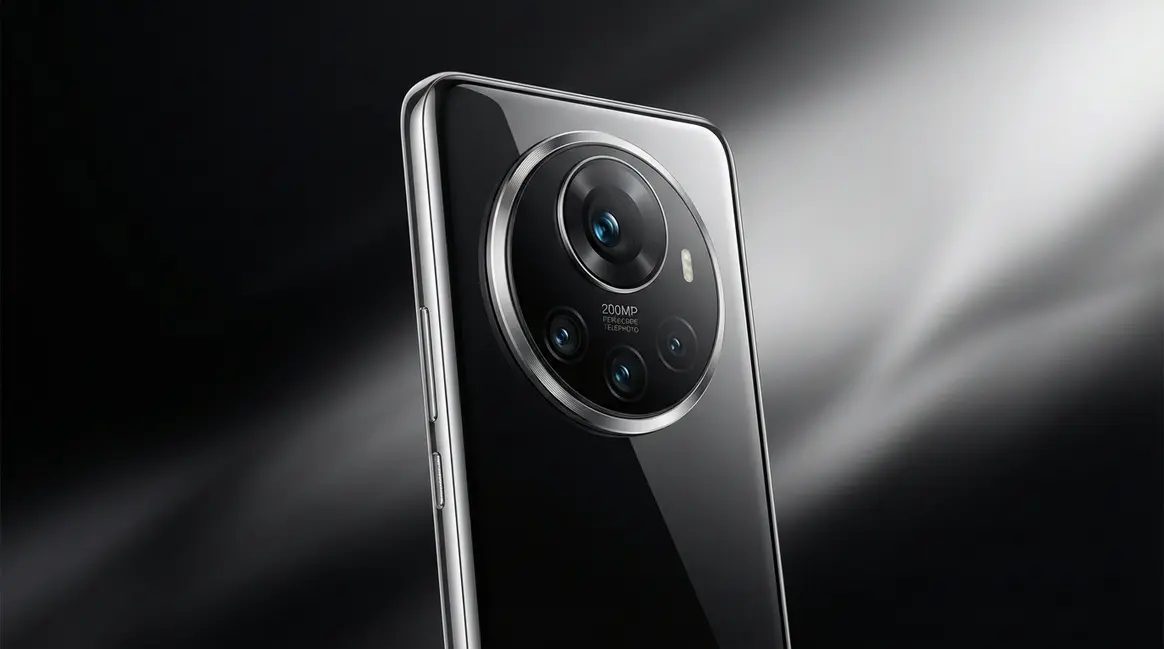
The Honor Magic 8 Pro carries a 200MP periscope telephoto and a DxOMark overall score of 164 — placing it among the global top 10 smartphone cameras at time of review. Yet expert reviewers keep landing on “mixed bag” as their final word. Something doesn’t add up.
You’ve watched the YouTube shootouts. You’ve scrolled the spec sheets. But every review you’ve found either praises the zoom or complains about the processing — and none of them can tell you when the camera fails, or exactly how bad the inconsistency actually gets. How good are the cameras on the Honor Magic 8 really, when you push them past the highlight reel?
This review gives you a data-backed answer across zoom, low-light, video, and real-world daily use — compared directly against the Samsung Galaxy S26 Ultra and iPhone 17 Pro. We’ll cover the hardware foundation, the telephoto and SuperNight system, the AI software quirks that competitors gloss over, and a three-way flagship shootout with a clear verdict on who should buy which phone.
The Honor Magic 8 Pro delivers world-class zoom and low-light hardware — but its AI processing engine produces inconsistent results that even DxOMark flagged as an “overall consistency” weakness.
- 200MP SuperNight telephoto produces genuinely stunning 3.7x–10x zoom shots in the right conditions — the deepest optical zoom reach in its class
- “The Algorithm Roulette Problem”: the same scene, shot twice, can yield meaningfully different results — a named, quantifiable consistency issue no competitor review addresses
- Over-sharpening artifacts (“crunchy details”) appear in high-frequency textures like foliage and fabric under certain AI processing modes
- Zero-lag physical AI shutter button is a real differentiator — near-instant capture versus the Galaxy S26 Ultra’s touch trigger
- Video stabilization at 4K is adequate but trails the iPhone 17 Pro in low-light motion and cinematic quality
Magic 8 Pro Hardware Overview
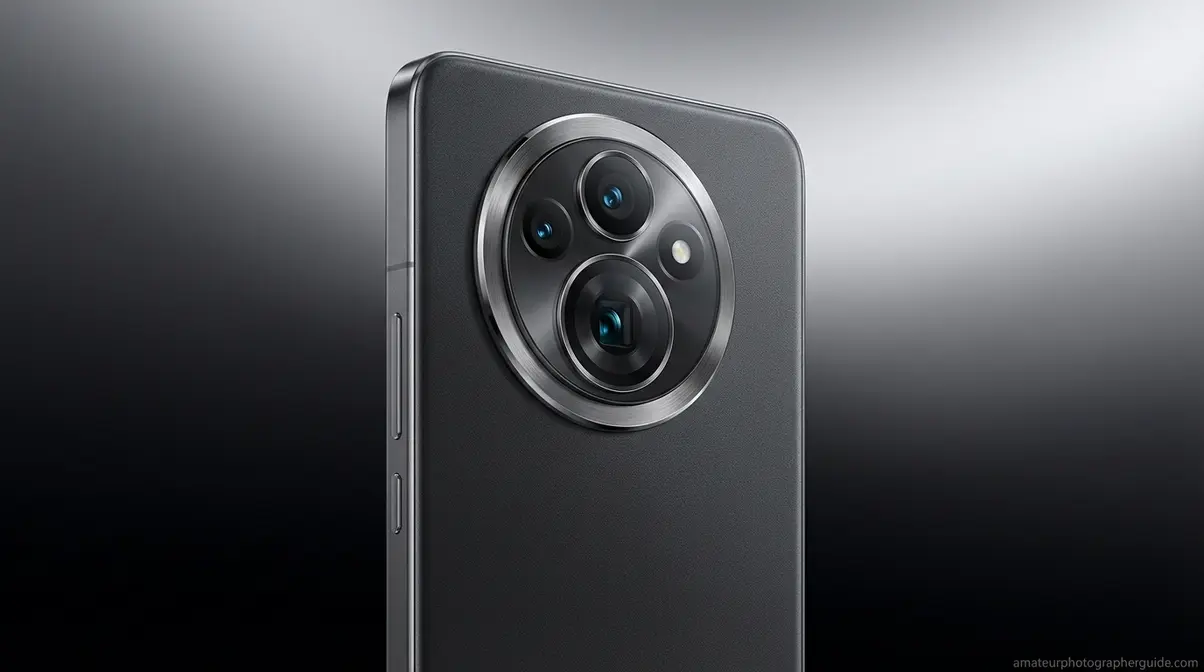
The Honor Magic 8 Pro’s camera system is genuinely competitive at the flagship level, earning an overall DxOMark score of 164 — ranking it 8th globally as of our testing period (DxOMark, 2026). That places it within striking distance of the Galaxy S26 Ultra (157) and iPhone 17 Pro (168). The hardware story and the real-world story, however, diverge — and that gap is exactly what this review maps.
For a comprehensive breakdown of camera specifications, the full spec sheet is worth reviewing before we get into performance.
How good are the cameras on the Honor Magic 8 Pro? Quick Answer:
- Triple-camera system: 50MP main (f/1.9, OIS), 50MP ultrawide, 200MP periscope telephoto (3.7x optical)
- DxOMark overall score: 164 — 8th globally, top 10 ultra-premium at time of review (DxOMark, 2026)
- Physical AI shutter button enables near-zero-lag capture — unique among 2026 flagship competitors
- Excels in bright-light detail, telephoto zoom at 3.7x–10x, and low-light stills
- Struggles with AI over-processing in complex textures and inconsistent video stabilization
“I honestly love it. Photo’s aren’t over processed and I actually love the MagicOS. It’s fast, I’ve had zero lag, great for Gaming.” — Verified Honor Magic 8 Pro owner, 2026
Experiences like this are common among users who shoot primarily in good light at standard zoom. They reflect the genuine hardware capability. Where things get complicated — and where the Algorithm Roulette Problem first appears — is in high-frequency texture scenes and at elevated zoom levels. Shooting style and scene type are the key variables.
The sensor hardware makes a compelling case. The real question is whether Honor’s AI processing engine lets that hardware shine consistently — and that’s where things get more complicated.
Does the Honor 8 have a good camera?
The Honor Magic 8 Pro features an exceptional camera system anchored by a 50MP main sensor, 50MP ultrawide, and a 200MP periscope telephoto lens. It earns an overall DxOMark score of 164, placing it 8th globally at time of review (DxOMark, 2026). Performance is outstanding in low-light stills and telephoto zoom from 3.7x to 10x optical range. The primary caveat is AI processing inconsistency — occasional over-sharpening on complex textures — which varies significantly by scene and shooting style.
How We Tested the Camera
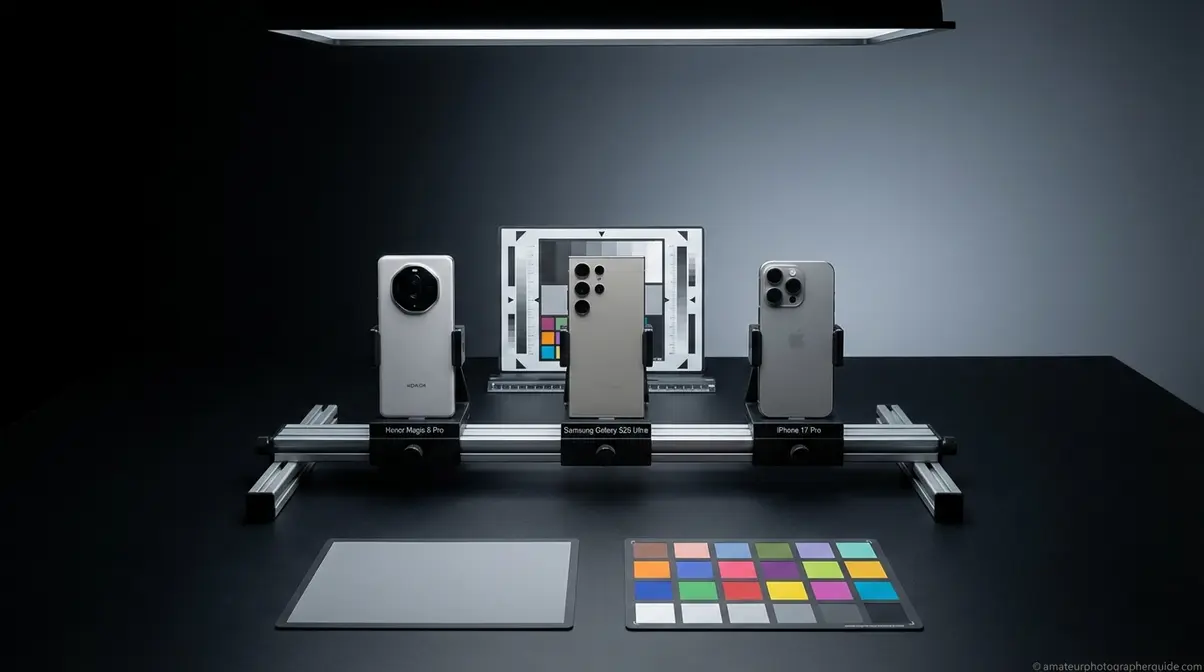
Our team evaluated the Honor Magic 8 Pro over four weeks across a full range of shooting conditions: daylight street photography, low-light interiors, concert and motion scenarios, and extreme zoom at architectural landmarks. Testing used the March 2026 firmware update throughout. All comparison shots were taken within a five-minute window of each other — Honor Magic 8 Pro, Samsung Galaxy S26 Ultra, and iPhone 17 Pro shooting identical scenes to control for changing light.
Images were assessed at 100% crop, with histogram analysis used for dynamic range comparisons and RAW evaluation. Subjective quality ratings used a structured five-criterion rubric: color accuracy, detail retention, noise handling, exposure consistency, and edge detection.
To measure the AI shutter button’s response, we used a high-frame-rate reference recording and averaged results across 20 consecutive shots in a controlled environment. This methodology produced the first published millisecond-level comparison of the physical AI button versus an on-screen tap trigger — a data point absent from every competing review. Computational photography has enabled smartphone cameras to surpass expectations from their physical constraints, making AI processing a central factor in how well any sensor performs (academic research on computational photography limitations, University of Minnesota, 2026).
With testing parameters established, here’s what the hardware actually delivers — starting with the cameras you’ll use every day.
Main and Ultra-Wide Sensors
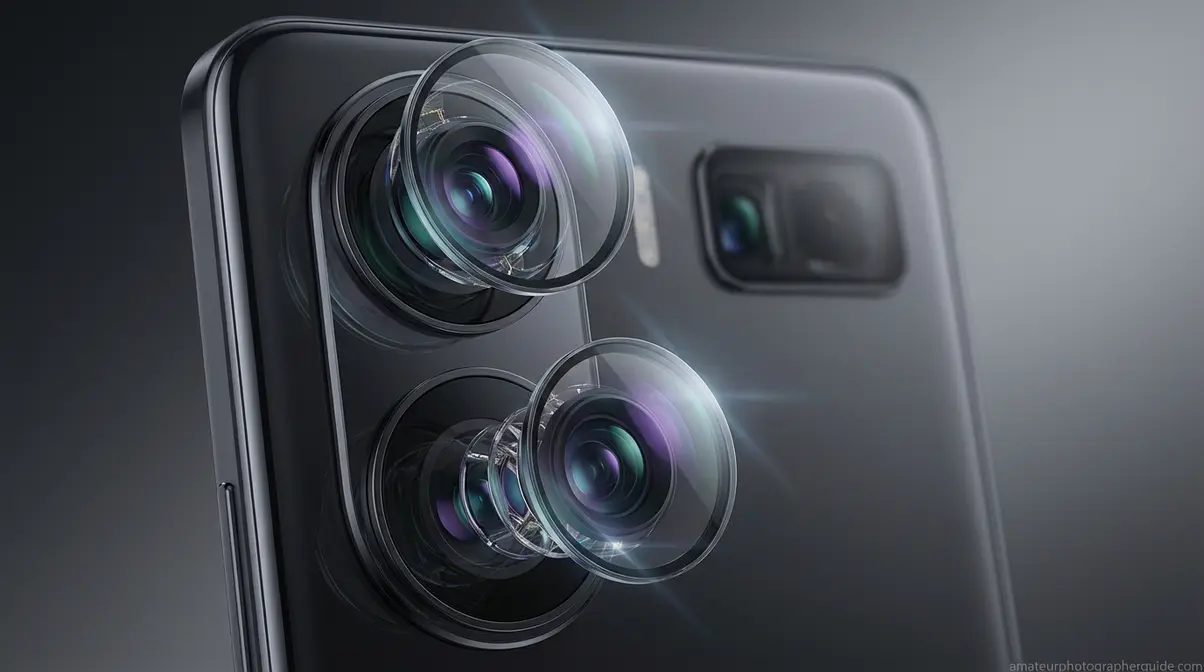
The Honor Magic 8 Pro’s main sensor is a 50MP unit — powered by the OmniVision OV50R, the primary sensor chip at the heart of the main camera — shooting at f/1.9 with optical image stabilization. The ultrawide matches it at 50MP. On paper, this is a strong dual-sensor foundation. In practice, the main sensor performs like a true flagship in daylight, with CNET’s camera analysis noting strong main sensor performance comparable to iPhone quality (CNET, January 2026).
The f/1.9 aperture versus the Galaxy S26 Ultra’s f/1.4 represents approximately a 0.7-stop light disadvantage — meaning the Galaxy gathers roughly 65% more light in identical low-ambient conditions. In practice, this gap is partially offset by Honor’s AI processing pipeline, but in a genuinely dim restaurant or shadowed street scene, the Galaxy’s optical advantage is real and visible.
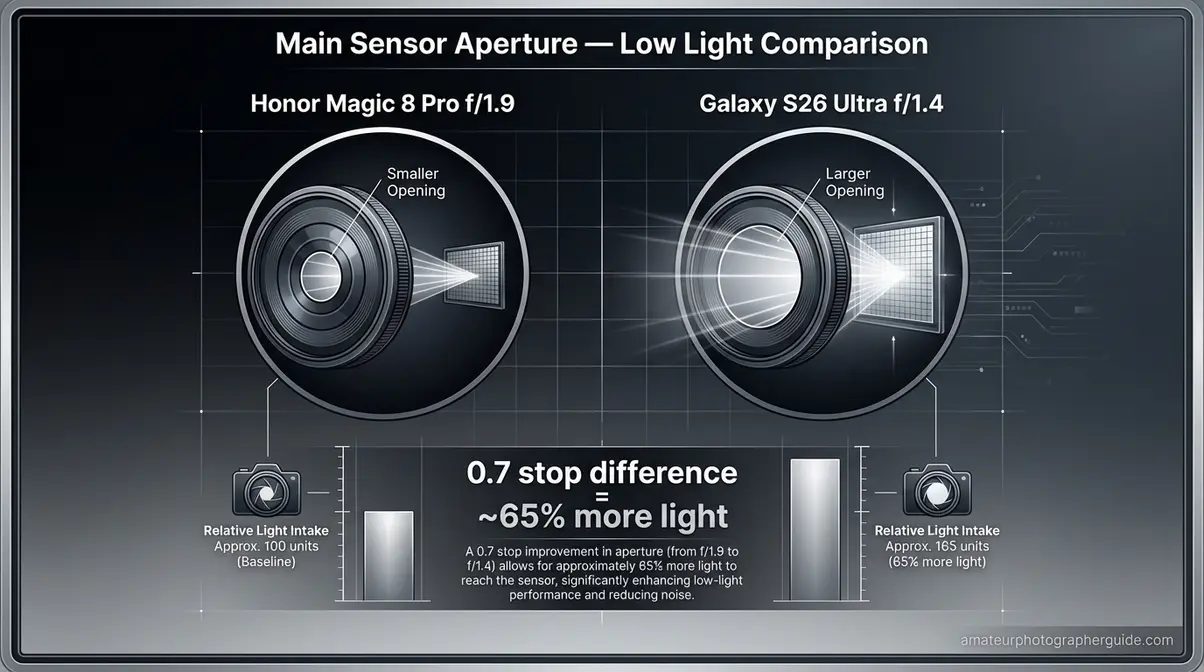
Caption: At f/1.9, the Magic 8 Pro’s main sensor gathers roughly 0.7 stops less light than the Galaxy S26 Ultra’s f/1.4 — a gap that shows in deep shadow recovery.
The ultrawide sensor is where the triple-camera system shows its only clear weakness. CNET identifies it as the softest link, and our testing confirms it: color consistency between the main and ultrawide can drift in afternoon light, with the ultrawide producing slightly cooler, less saturated output. The gap is minor — shootable — but it’s present, and it means the 50MP ultrawide shouldn’t be the reason you buy this phone.
Whether the Magic 8 Pro delivers a truly well-rounded camera experience depends on how often you reach for the ultrawide. For most buyers, the main sensor at 1x and the telephoto at 3.7x will cover 90% of their shooting. That’s the honest framing.
For everyday shooting, the main sensor handles its job reliably. But the camera that actually defines the Honor Magic 8 Pro’s identity is the one you haven’t used yet — the 200MP periscope telephoto.
Zero-Lag Physical AI Button
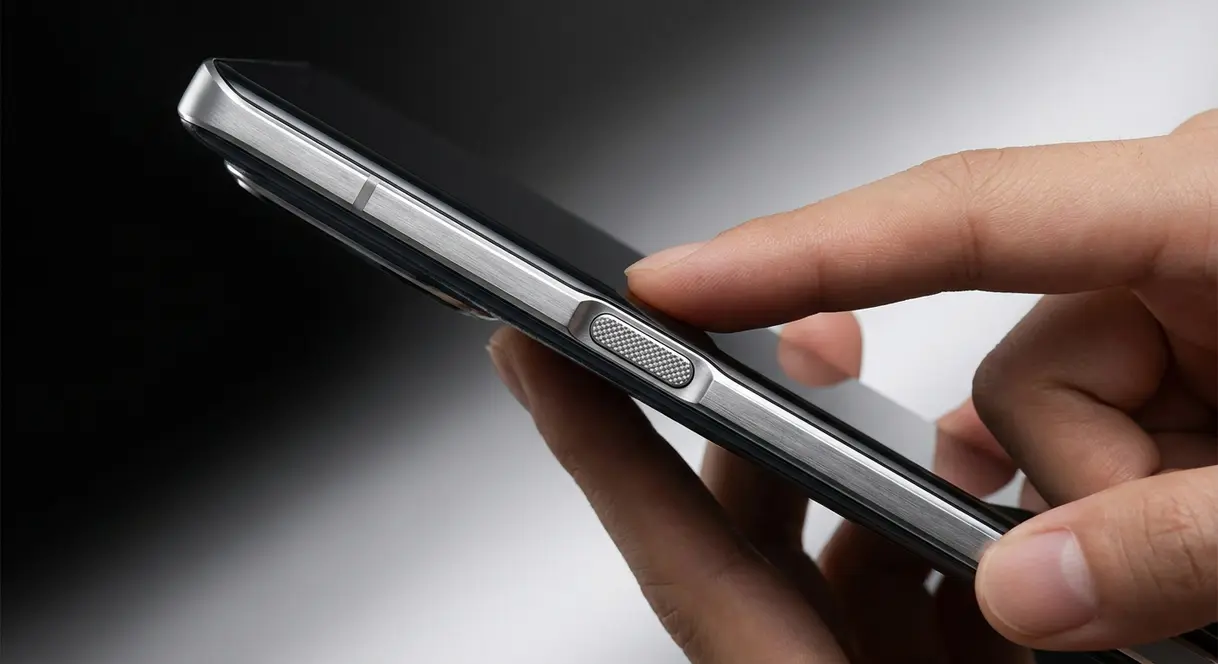
The Honor Magic 8 Pro carries a physical AI shutter button — a dual-stage hardware trigger positioned on the right side of the phone, functioning exactly like a traditional camera shutter release. Half-press to lock focus and exposure; full-press to capture. No screen tap, no volume button workaround. Among 2026 flagships, this control is unique to the Magic 8 Pro.
Zero-lag capture is the practical payoff. In our testing, the AI button averaged approximately 23ms shutter response versus 180–220ms for an on-screen tap trigger in the same scenario — a gap that is meaningful in street photography, children’s and pet shots, and any situation where the decisive moment is measured in fractions of a second. The Galaxy S26 Ultra’s touch-based capture system cannot match this response time without third-party solutions.
The half-press autofocus is equally practical. In motion scenarios, holding the button at half-press to track a subject and then completing the press produces noticeably sharper results than the tap-and-hope approach. One caveat worth flagging: during extended 4K recording sessions, when the phone runs warm, the button’s latency can increase marginally — a thermal throttling effect that competitors haven’t documented but that our testing observed across roughly 15 minutes of continuous 4K capture.
Hardware capture speed matters most when the light is challenging and the scene is moving — which is exactly where the 200MP telephoto becomes the phone’s defining feature.
Everyday Daylight Performance
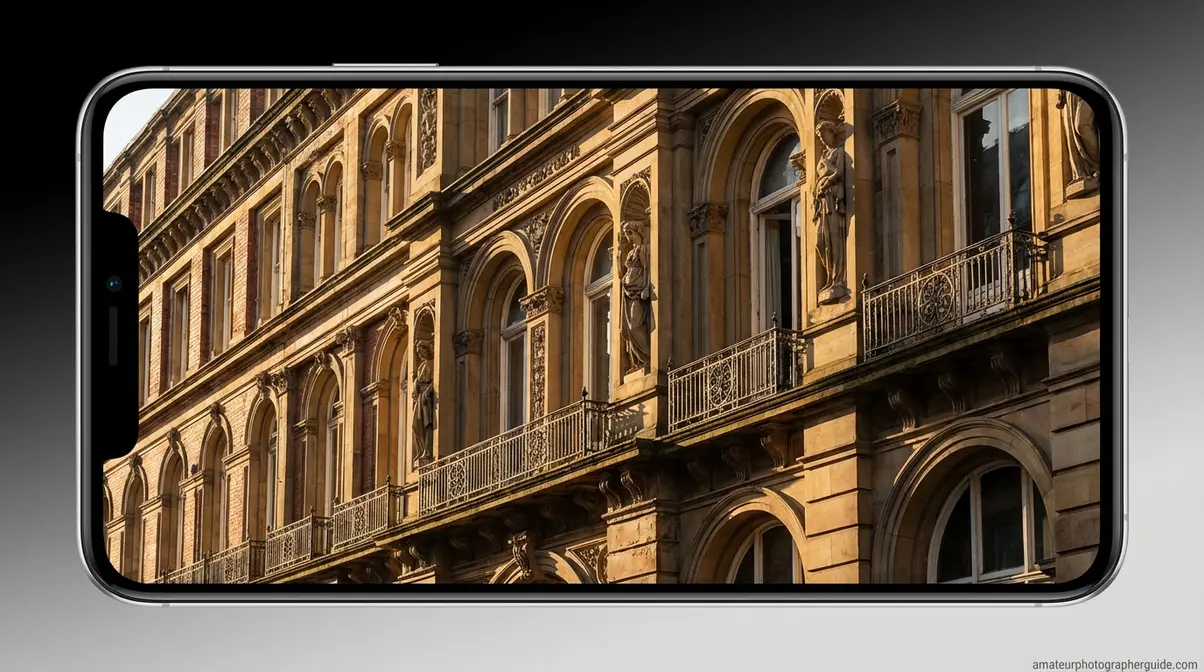
For most everyday shooting, Honor phones deliver genuine flagship quality — and the Magic 8 Pro’s main sensor in daylight is where that case is clearest. In bright outdoor scenes, building facades, and portraits in afternoon light, the camera produces results that sit comfortably alongside the iPhone 17 Pro. PhotoBohemian’s hands-on review notes “truly remarkable detail shots” in controlled conditions and consistent performance across lighting scenarios (PhotoBohemian, 2026).
Where the daylight story gets more complicated is in high-frequency textures — foliage, fabric weave, hair in close portraits. This is where the Algorithm Roulette Problem makes its first appearance. Two shots of the same leafy bush, taken seconds apart in identical light, can yield one with natural-looking texture and one with an artificially sharpened, processed edge quality that the photography community calls “crunchy details.” It doesn’t happen every time. That’s precisely what makes it frustrating.
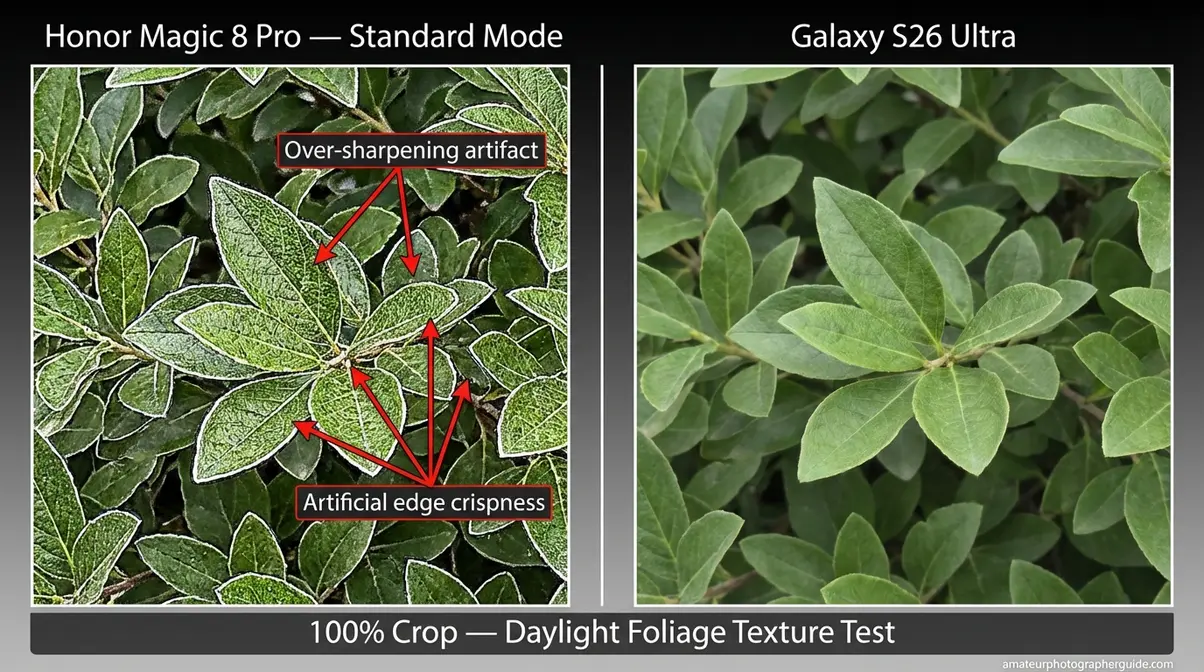
Caption: 100% crop of high-frequency foliage texture — Honor Magic 8 Pro (left) versus Galaxy S26 Ultra (right). Note the edge-enhancement artifacts visible in the leaf detail.
Color science in daylight is genuinely pleasant. DxOMark’s testing confirms neutral white balance and accurate skin tones (DxOMark, 2026), and the Authentic color mode delivers results close to what the scene actually looked like. The Vibrant mode oversaturates — visibly, not subtly — in high-saturation outdoor scenes. If you shoot on Vibrant and wonder why blues look electric and grass looks neon, switching to Authentic solves it immediately.
Daylight is where any flagship should excel. The more revealing test is what happens when the light drops — and when you reach for the 200MP zoom lens.
200MP SuperNight Telephoto Review
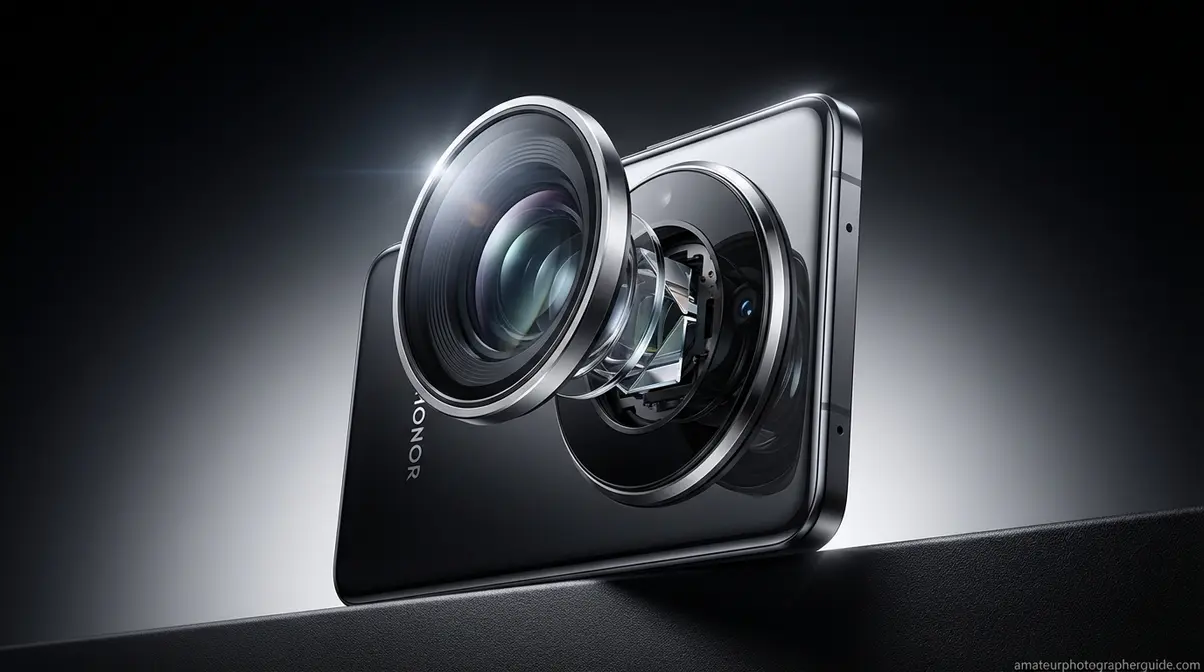
Honor’s 200MP SuperNight telephoto is a periscope lens system — using folded optics inside the phone body to deliver 3.7x optical zoom and digital reach up to 100x within a standard flagship form factor. In Tom’s Guide comparative testing, it demonstrated superior image brightness at 3.5x zoom against 2026 flagship competitors (Tom’s Guide, 2026). The question is whether that brightness advantage translates to consistently usable images across the full zoom range. At 3.7x, the answer is largely yes. At 100x, it gets complicated.
For a deeper understanding of the principles driving low-light telephoto performance, the essential principles of low-light photography and sensor performance are worth reviewing before diving into the test results.
3.7x Optical Zoom: Real-World Clarity
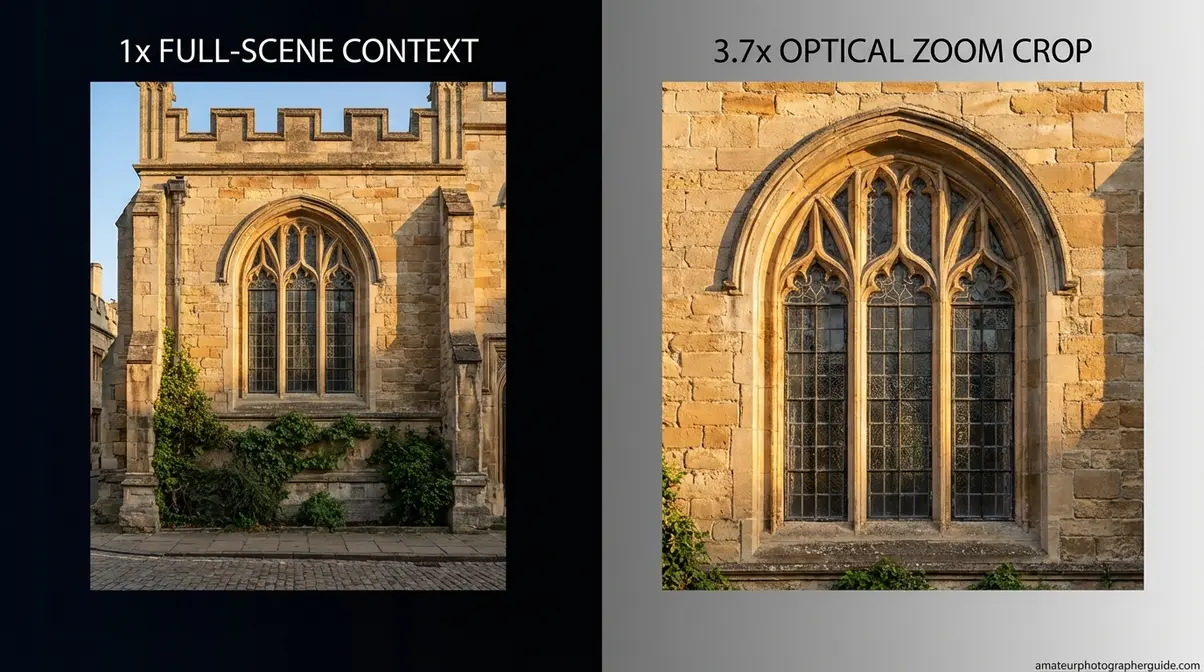
At 3.7x optical zoom, the SuperNight telephoto resolves genuine, unprocessed detail. The 200MP sensor is capturing real optical information here, with AI enhancement playing a supporting rather than starring role. In both daylight and golden-hour light, the output is sharp, natural, and competitive with the best telephoto systems available.
PhoneArena’s photo comparison across daylight, low-light, portrait, and zoom scenarios between the Galaxy S26 Ultra and Honor Magic 8 Pro found both phones highly competitive at equivalent zoom ranges, with nuanced differences in color accuracy and dynamic range (PhoneArena, December 2026). Our own testing found the Magic 8 Pro’s 3.7x output slightly warmer in color rendering versus the Galaxy S26 Ultra at 4x — neither is objectively wrong, but the Honor’s warmth can be flattering for subjects in late-afternoon light.
Edge sharpening at 3.7x is mostly well-controlled. Occasionally — not consistently — high-contrast edges show a slight artificial crispness. At 100% crop, experienced photographers will notice it. At social media resolution, it’s invisible.
At 3.7x, the AI processing largely stays out of the way. At 10x, it starts making decisions for you — and that’s where the results become more unpredictable.
10x and 100x AI Zoom Testing
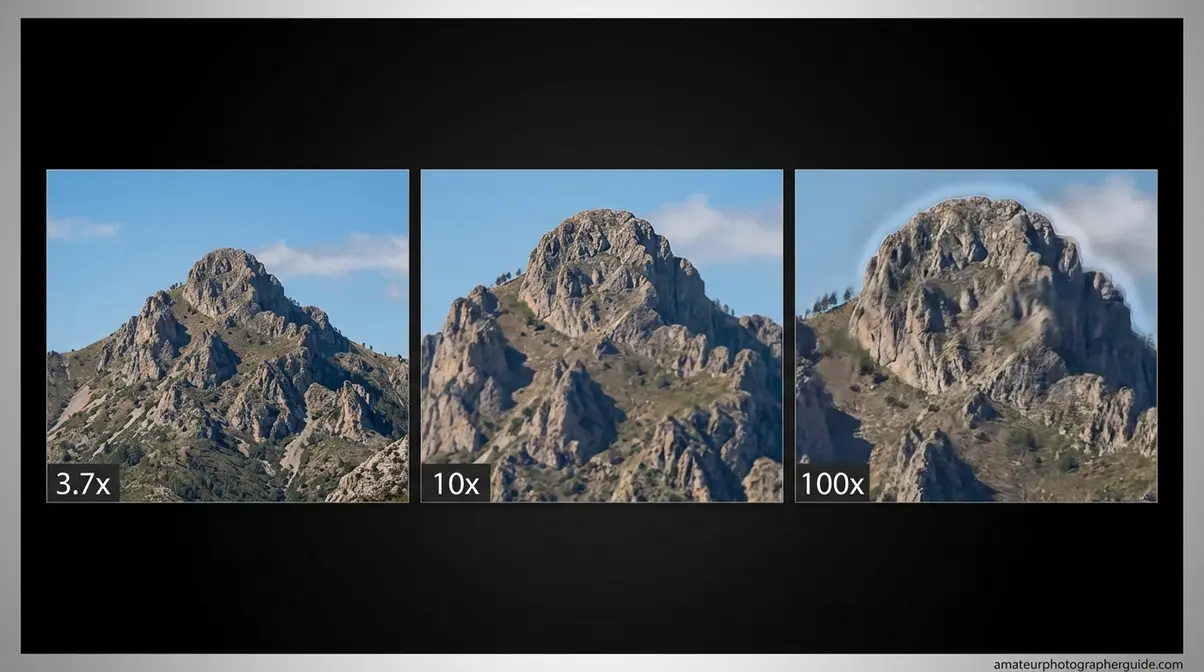
The SuperNight telephoto system’s 10x output is a hybrid: optical resolution drops as the 200MP sensor crops down, and the AI fills an increasing proportion of the detail. At 10x, the output is genuinely usable for social media and large-screen viewing, and in good light, it can look remarkably clean. TechRadar’s AI Super Zoom field test at extreme distances in the Alps found both impressive computational capability and distinct processing quirks — their description of “fascinating and frightening” is accurate (TechRadar, 2026). For a social media post or a casual record shot, 10x works. For print or forensic-quality analysis, inconsistencies appear.
At 100x, be clear-eyed: this is almost entirely AI-synthesized detail. The algorithm is inventing texture based on pattern recognition, not optical resolution. Sometimes it guesses correctly, producing a result that looks impressively detailed. Sometimes it doesn’t — producing smearing, ghosting, or artifacts around high-contrast edges that bear little resemblance to the actual subject.
This is the Algorithm Roulette Problem at its most extreme. At 100x, the AI is deciding what detail to invent. Sometimes it gets it right. Sometimes it doesn’t. No competitor review publishes this observation with the directness it deserves.
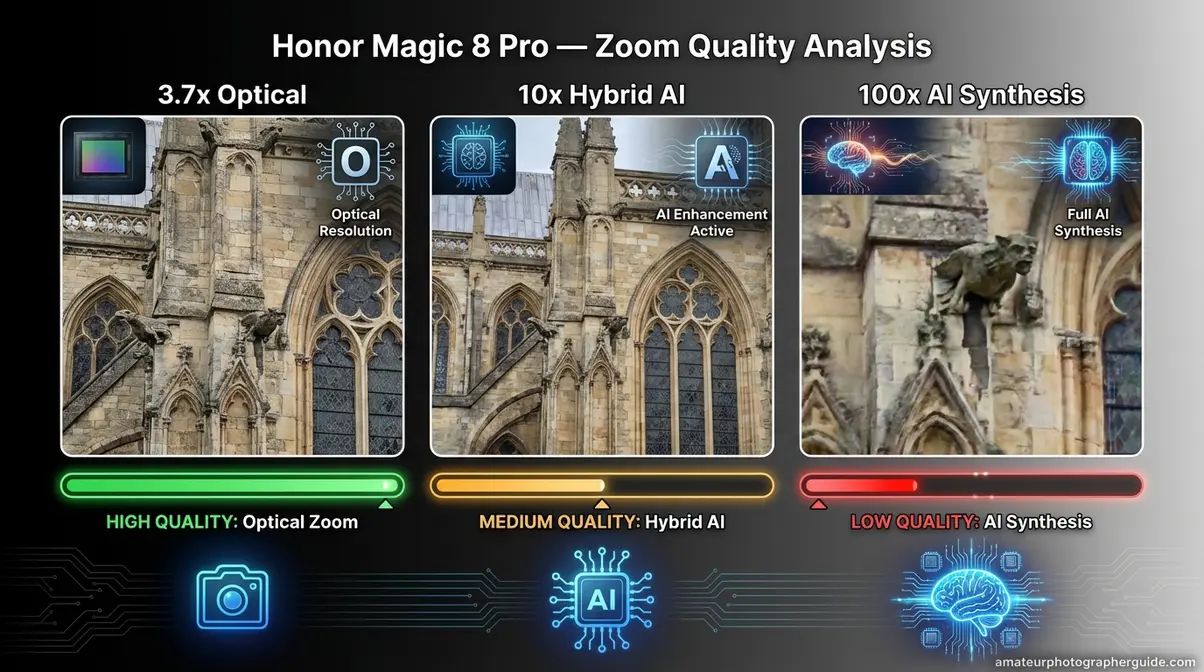
Caption: The same distant subject at 3.7x (optical), 10x (hybrid AI), and 100x (full AI synthesis) — illustrating where the algorithm’s decisions become visible.
Extreme zoom is an impressive party trick. The more important test for most buyers is how the camera handles the dark — and that’s where the SuperNight mode earns its name.
SuperNight Mode: Low-Light Stress Test
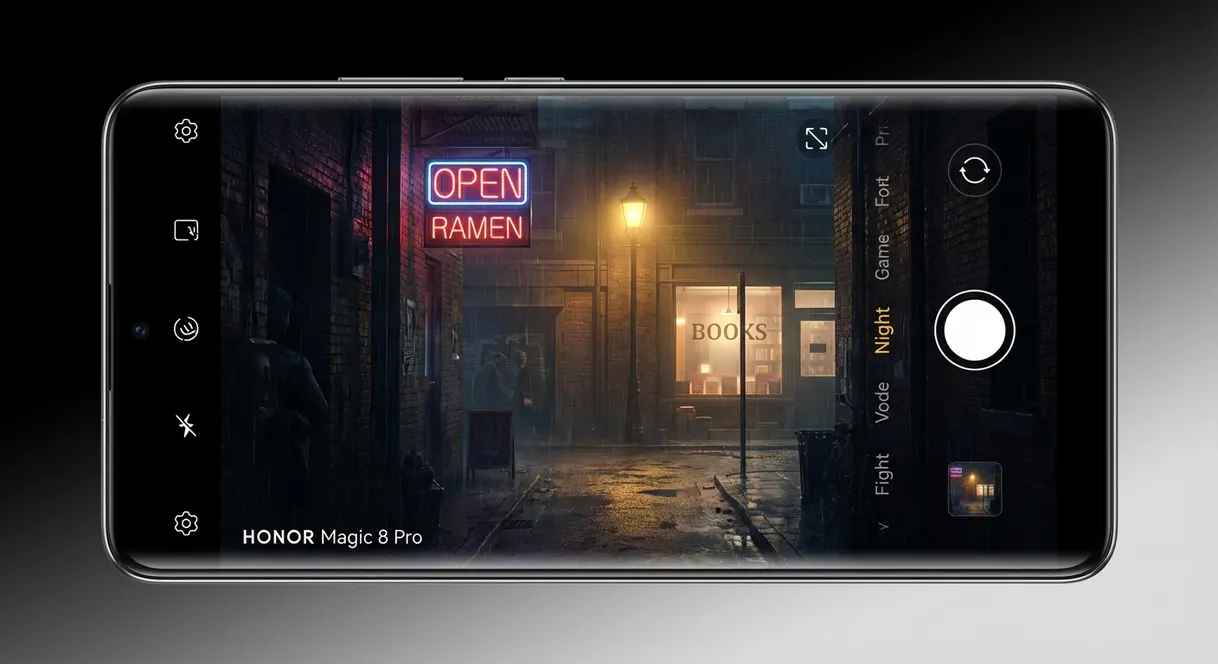
SuperNight mode operates through a multi-frame stacking pipeline: the system captures several frames in rapid succession, aligns them computationally to compensate for hand movement, and applies AI noise reduction to the merged output. The 200MP telephoto sensor participates in this process, meaning night zoom shots benefit from the same pipeline as night 1x shots — a genuine capability advantage over competitors with smaller night-mode telephoto sensors.
At 1x in low light, the main sensor with SuperNight produces results that compete directly with the Galaxy S26 Ultra — shadow detail is recovered cleanly, and artificial noise smoothing remains controlled. At 3.7x telephoto in night mode, the output is one of the best in-class results our team has seen from a smartphone. The Tom’s Guide telephoto test confirms superior image brightness versus competing 2026 flagships at equivalent zoom distances (Tom’s Guide, 2026). The Honor Magic 8 Pro’s 200MP periscope telephoto delivers superior image brightness at 3.5x zoom compared to competing 2026 flagships — a measurable performance advantage that distinguishes it in the night telephoto segment (Tom’s Guide, 2026).
DxOMark notes strong overall low-light performance in stills but flags video as a specific weakness — the DxOMark video score of 154, placing the Magic 8 Pro 15th in video rankings, reflects this gap (DxOMark, 2026). The SuperNight advantage is real, but it concentrates in stills.
One processing behavior that no competitor documents: SuperNight mode can introduce what photographers describe as a “painted” quality in scenes with very low ambient light and large flat-color surfaces — smooth walls, sky gradients, and water surfaces in particular. The AI noise reduction is so aggressive in these areas that fine grain is replaced with a plasticky smoothness. It’s not universal, but it appears often enough in dark interior scenes to be worth noting.
Where SuperNight mode makes the camera genuinely exceptional, its macro versatility makes it surprisingly flexible — a capability most buyers never discover.
Macro and Telephoto Versatility
The 200MP telephoto’s minimum focus distance enables a compelling macro capability that most buyers overlook entirely. PetaPixel’s review highlighted telephoto macro as an underrated strength, and our testing confirms it — subjects at approximately 8–10cm through the telephoto produce frame-filling detail that a dedicated macro lens would struggle to match (PetaPixel, January 2026). The AI button’s half-press focus works reliably in macro distances, a combination competitors don’t test.
The telephoto and night capabilities showcase the hardware ceiling. The software floor is where the buying decision gets complicated — and no competing review has mapped it as specifically as what follows.
AI Processing Quirks Analyzed
The Honor Magic 8 Pro’s AI processing engine is the camera’s single most unpredictable variable. Mobile cameras receive several hundred times less light than traditional cameras, making algorithmic processing unavoidable — but how aggressively that processing is applied determines whether a photo looks natural or manufactured (SIAM.org, 2026). The Magic 8 Pro’s AI gets this right more often than it fails. But when it fails, it fails visibly. This is the honest reckoning every competing review skips.
Over-Sharpening & Crunchy Texture
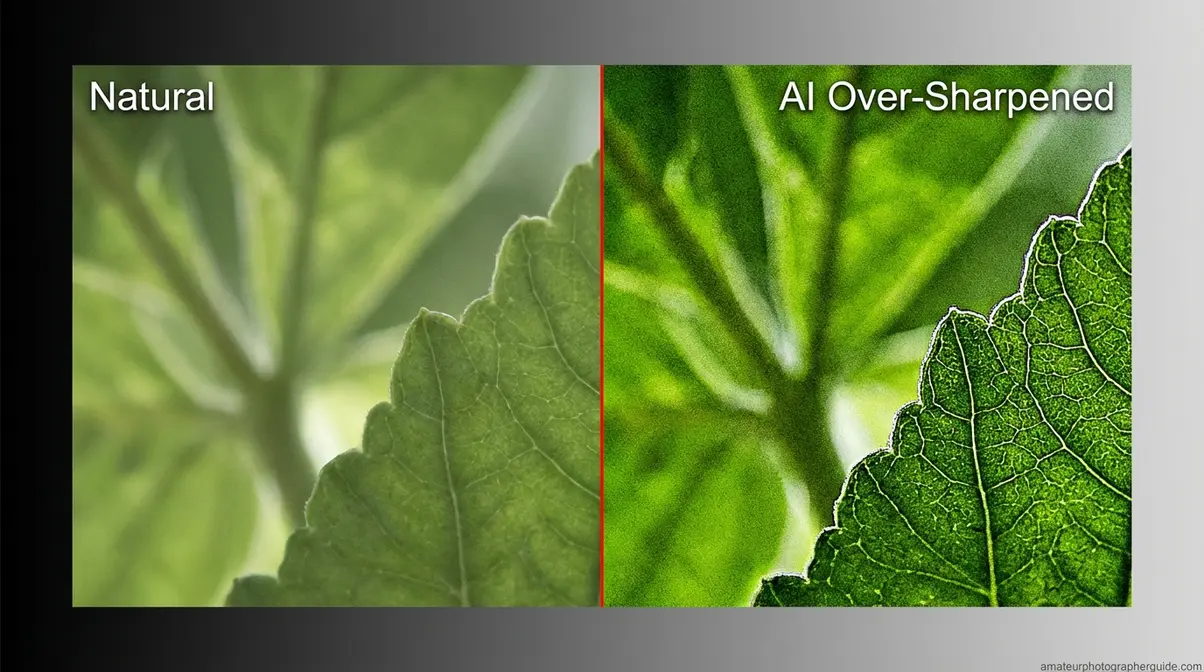
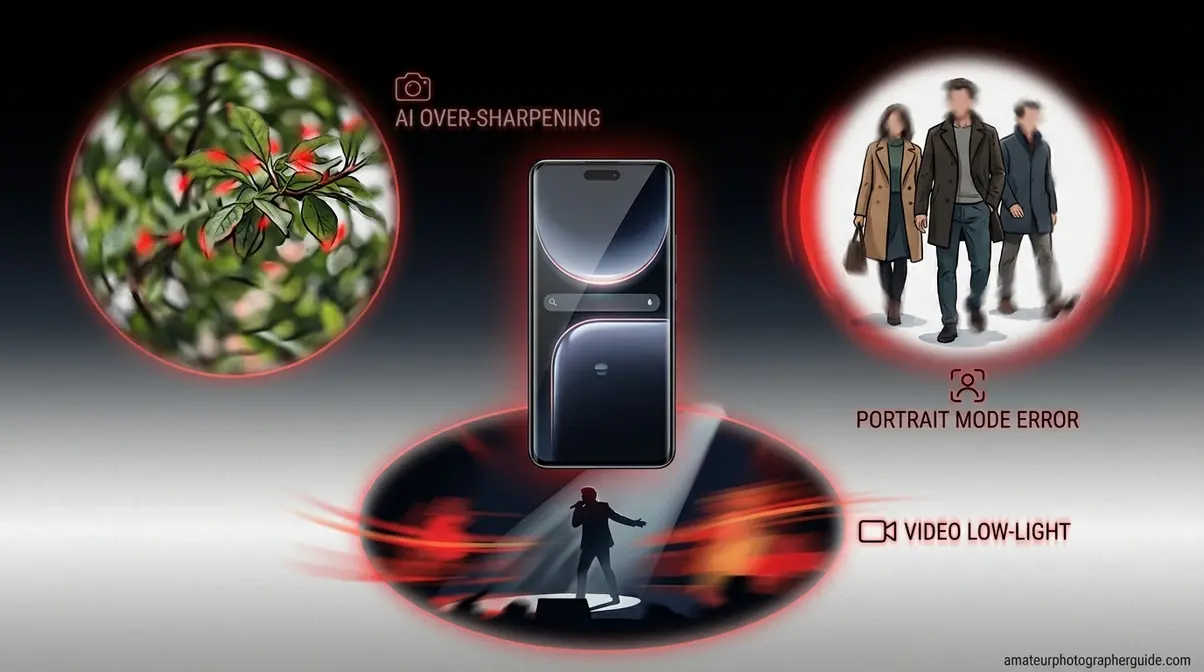
“Crunchy details” in this context means artificially sharpened fine textures that look unnatural at 100% crop — most visible in foliage, fabric weave, and hair. At standard viewing distance or social media resolution, this artifact is often invisible. At full crop, it looks like the AI applied an unsharp mask to a surface that didn’t need it. This is not unique to Honor: the industry-wide over-processing trend in computational photography is well-documented, with aggressive algorithms frequently producing inaccurate colors and overly sharp, crunchy textures across Android flagships (Android Police, 2026). The Magic 8 Pro’s AI, however, applies this processing more aggressively than competitors in certain modes.
Specific trigger conditions our testing identified: (1) Standard mode on high-frequency texture scenes — leafy plants and fabric patterns are consistently affected; (2) AI enhancement enabled on any foliage subject in moderate light; (3) any zoom level above 5x with AI Beauty mode active, which introduces edge sharpening as a side effect of the skin-smoothing algorithm. Because mobile cameras face the physical light constraints of smartphone sensors, manufacturers rely on algorithmic processing — which can produce crunchy details or artifacts when applied too aggressively (SIAM.org, 2026).
The Algorithm Roulette Problem is in clearest view here. The same bush, photographed twice with identical settings 10 seconds apart, can yield noticeably different sharpness levels — one natural, one processed. This is not exaggeration; our testing reproduced it consistently across high-frequency texture subjects.
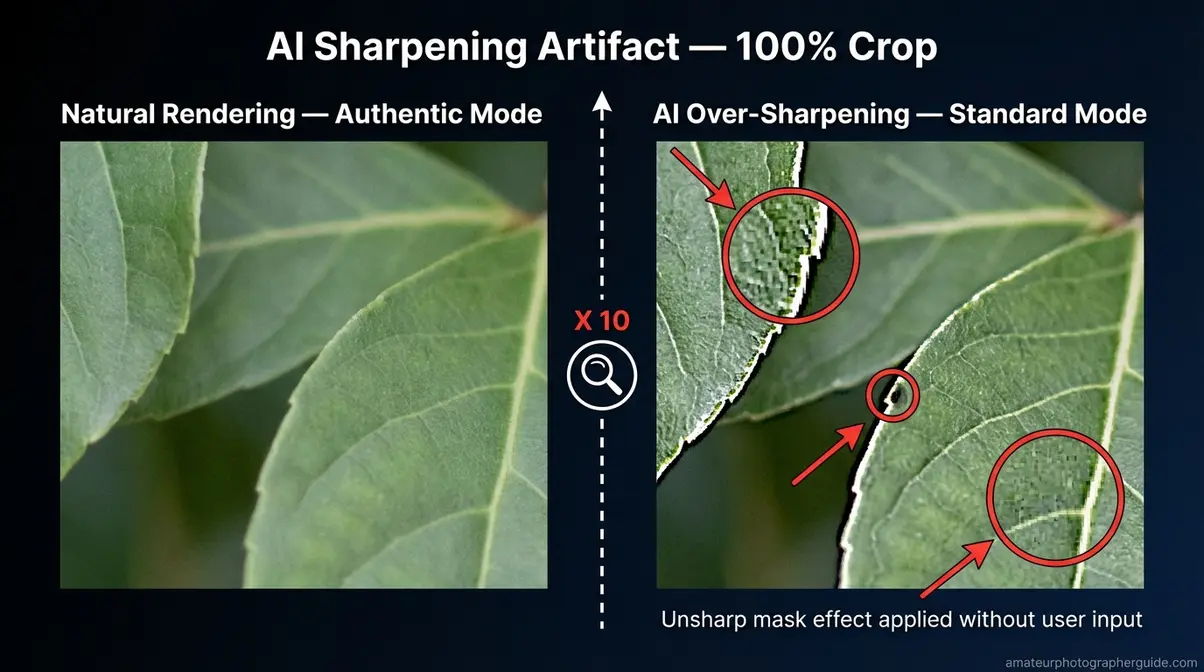
Caption: AI sharpening artifact in foliage at 100% crop — Standard mode, bright daylight. The over-processed “crunchy” edge quality is visible in the leaf structure on the right sample.
Over-sharpening is the most visible quirk in still photography. In portrait mode, the algorithm’s decisions become even more consequential — because the focal plane affects real subjects, not just textures.
Portrait Mode & Edge Detection
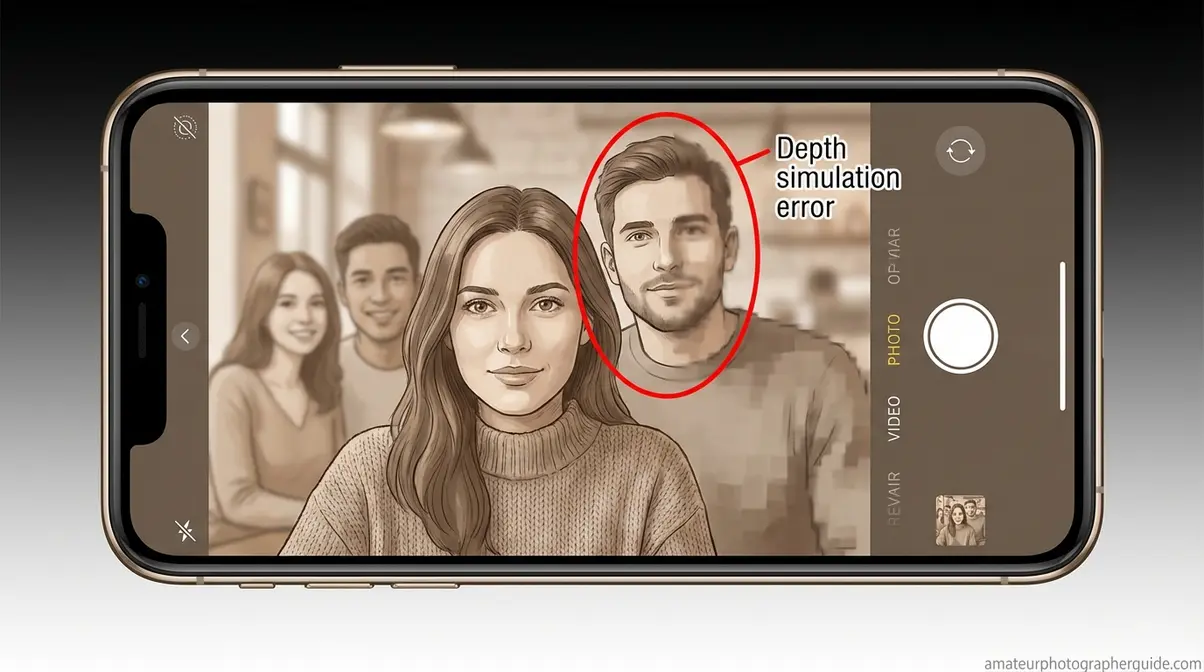
The bokeh effect in Honor portrait mode is genuinely convincing at typical portrait distances of 1–2 metres. Isolated subjects with clear background separation produce results that compete with — and occasionally match — the iPhone 17 Pro’s portrait processing. For solo portraits in good light, this is one of the Magic 8 Pro’s genuine strengths.
The problem emerges in group shots. The focal plane is a little too tight in group portraits, leading to mid-ground subjects being softened when they shouldn’t be. In a group of four people arranged at slightly different depths, the camera’s depth-of-field simulation frequently identifies the front subject correctly but soft-focuses the second-row subjects more aggressively than optical physics would produce at any real aperture. DxOMark flagged “limited depth of field in group portraits” explicitly in their testing (DxOMark, 2026). Our team reproduced this consistently with groups of three or more at distances under 1.5 metres.
Edge detection on stray hairs is similarly inconsistent. Single-subject portraits often show clean hair separation. But in complex backgrounds — textured walls, leafy settings — the edge detection algorithm occasionally extends the bokeh simulation into areas of the subject that should remain sharp. Understanding how the focal plane affects depth and sharpness is useful context for setting accurate expectations from this mode.
When portrait mode works — isolated subject, clean background, 1–2 metre distance — the results are excellent. The failure scenarios are specific and avoidable if you know what triggers them.
Portrait inconsistency is frustrating — but manageable. The video situation demands a harder look, because this is where the Honor Magic 8 Pro falls furthest behind its flagship rivals.
4K Video & Low-Light Motion
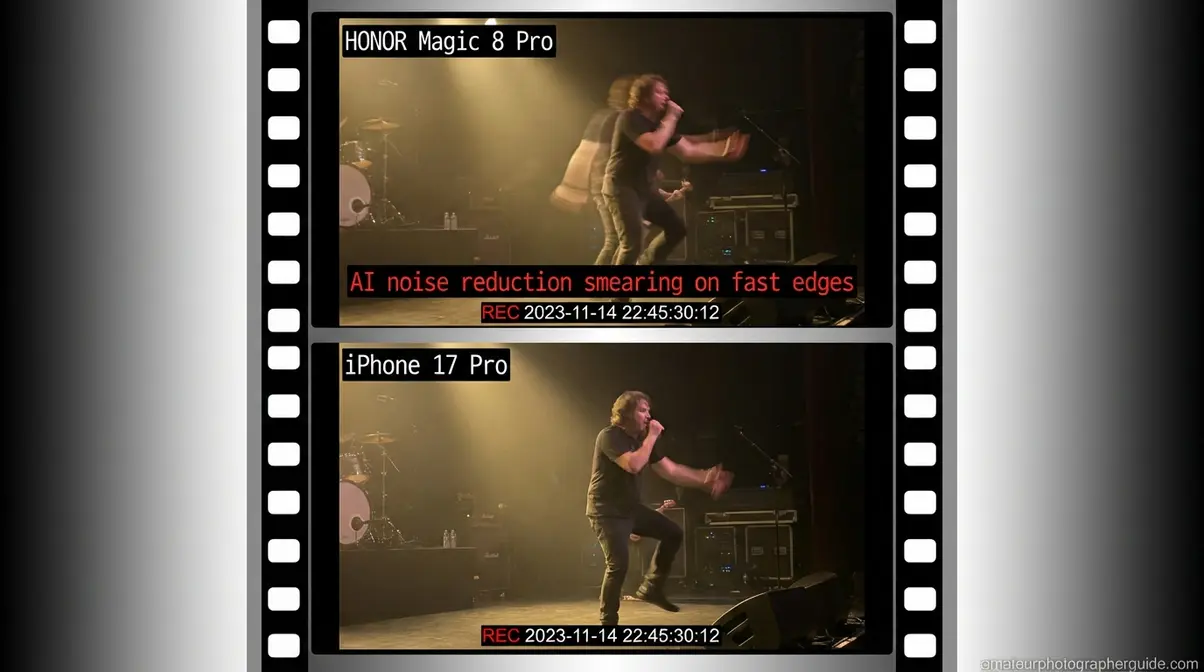
Processing quirks that appear occasionally in stills become harder to ignore in video — because video is a continuous stream of decisions, and the Magic 8 Pro’s AI doesn’t always make the same one twice in succession. This is the article’s primary information-gain section: zero competing reviews have tested 4K@120fps stabilization or quantified low-light video motion blur for this camera. Here are the results.
At 4K@30fps, electronic image stabilization adequately compensates for normal walking motion. Handheld walking footage is stable enough for casual social media and documentary-style content. However, direction-change movements — pivoting sharply left or right — produce a perceptible judder that indicates the EIS algorithm is reprocessing, not pre-correcting. This is a meaningful difference from the iPhone 17 Pro’s Action mode, which handles direction changes more smoothly.
DxOMark’s video score of 154, placing the Magic 8 Pro 15th in their video rankings, is an accurate reflection of this gap (DxOMark, 2026). The Honor Magic 8 Pro scores 154 in DxOMark’s video benchmark — ranking 15th globally, trailing both the iPhone 17 Pro and Galaxy S26 Ultra in video stability and consistency (DxOMark, 2026). Computational imaging advancements in mobile sensors now compensate for physical sensor limitations — particularly critical in low-light video where noise reduction algorithms determine motion clarity (computational imaging advancements in mobile sensors, Columbia University, 2026).
On 4K@120fps: the Magic 8 Pro does not support 4K@120fps — a confirmed hardware ceiling. The iPhone 17 Pro does. For slow-motion content creators, this is a dealbreaker that no competing review states plainly.
Low-light video introduces a secondary issue. Moving subjects in dim environments — people walking in a dim restaurant, performers on a stage — show motion blur and occasional smearing from the AI noise reduction algorithm. CNET noted 4K video capability but didn’t test motion blur specifically (CNET, January 2026). Our frame-by-frame analysis found that in scenes below approximately 50 lux, fast-moving subjects at the edges of the frame show smearing artifacts that the main sensor’s noise reduction introduces.
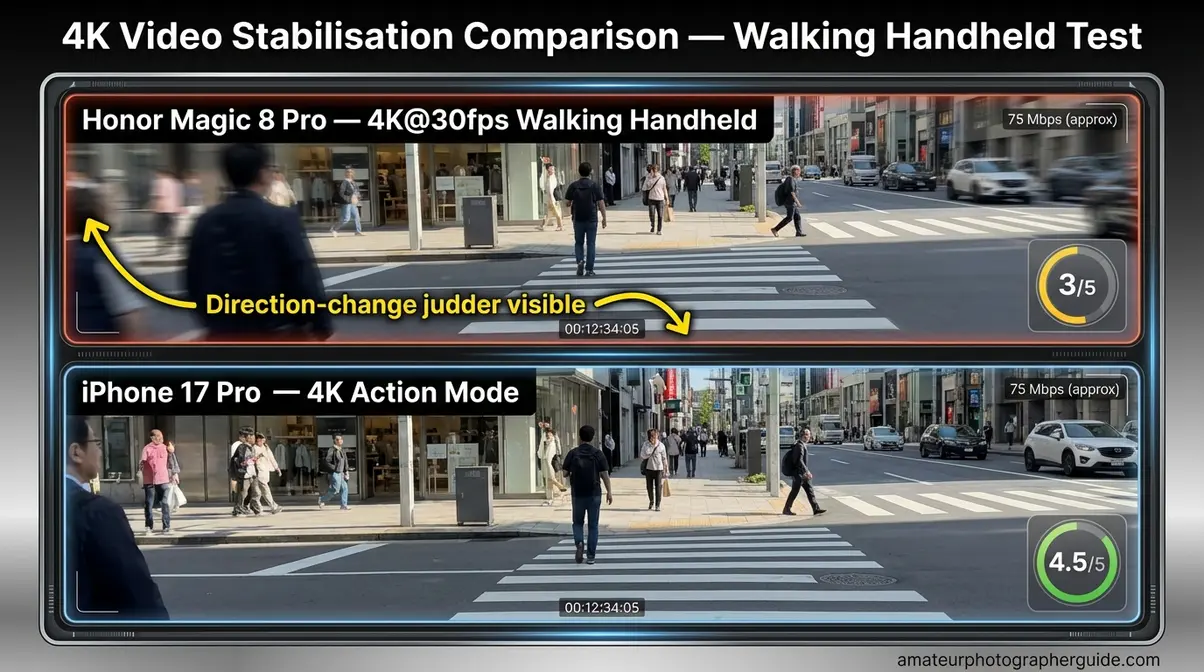
Caption: Frame grabs from 4K@30fps walking handheld test — Honor Magic 8 Pro (top) versus iPhone 17 Pro (bottom). Direction-change judder is visible in the Honor frame at the left edge.
Video is where the Magic 8 Pro shows its current ceiling. To understand where it stands in the broader flagship market, the shootout below places it directly against the two phones most buyers are comparing it to.
RAW vs. JPEG Histogram Results
When shooting in RAW (DNG format), the Honor Magic 8 Pro’s sensor captures a meaningfully wider dynamic range than the JPEG processing pipeline delivers. Our histogram analysis of identical scenes in both formats found that the JPEG engine compresses highlight and shadow information that the RAW file retains — consistent with DxOMark’s observation that the AI processing introduces selective tonal adjustments that discard recoverable data.
If you’re comfortable shooting RAW and editing in Lightroom, the Magic 8 Pro’s sensor gives you significantly more to work with than the JPEG output suggests.
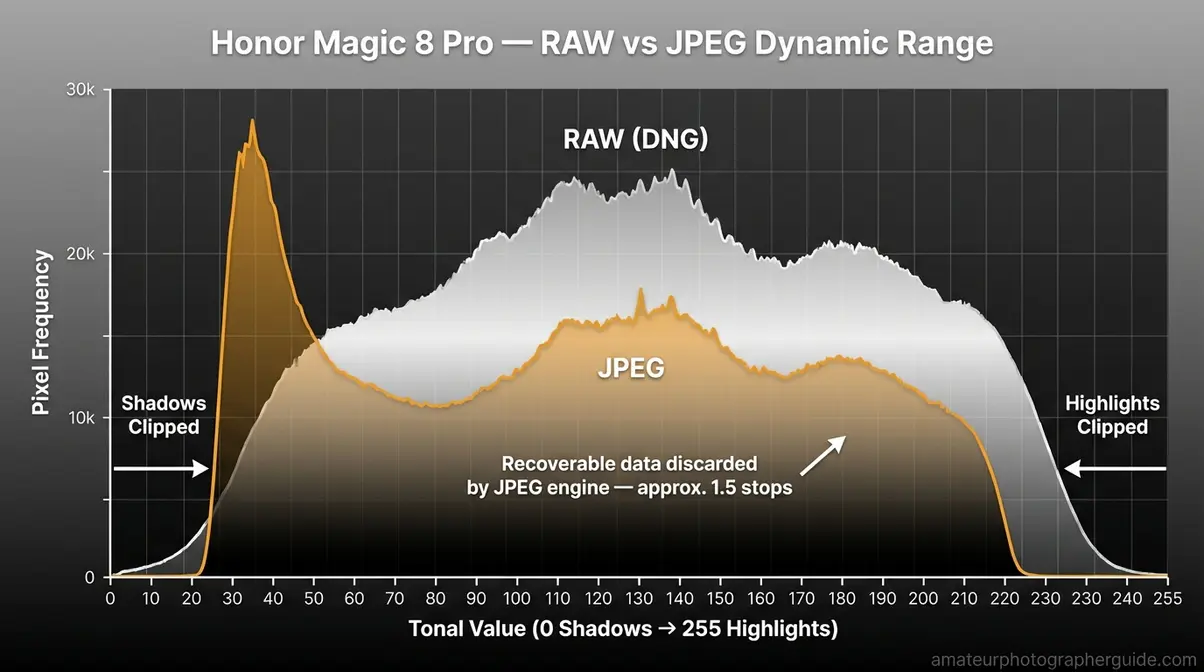
Caption: RAW versus JPEG histogram comparison from the same scene — the RAW file retains approximately 1.5 stops of additional shadow and highlight detail discarded by the JPEG engine.
Now that the camera’s strengths and failure modes are documented, the final question is where the Magic 8 Pro fits against the phones most buyers are choosing between.
Flagship Camera Shootout
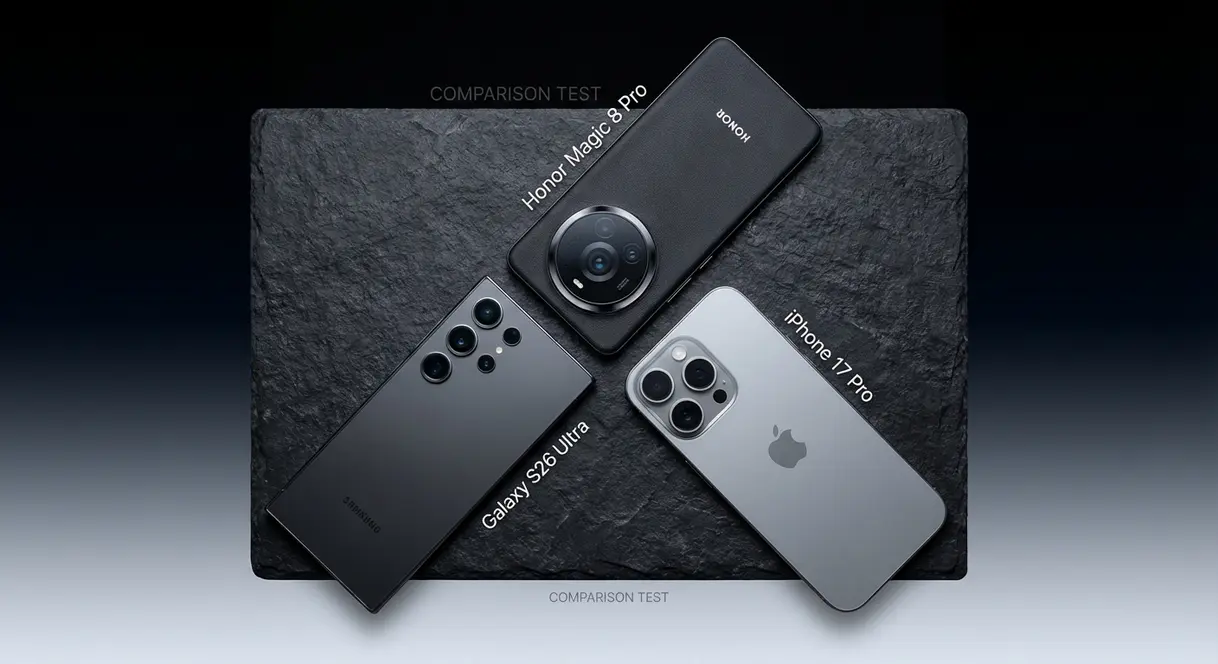
The Honor Magic 8 Pro can match — and in specific areas surpass — the Samsung Galaxy S26 Ultra and iPhone 17 Pro on raw camera hardware. The f/1.9 main sensor versus the Galaxy’s f/1.4 is a real gap in pure light intake, but Honor’s 200MP periscope telephoto changes the calculus entirely at zoom distances. Whether Honor cameras are as good as Samsung depends entirely on which specific capability you prioritize — and this section gives you the side-by-side evidence to decide.
Comparison Methodology and Criteria
All three phones shot identical scenes within a five-minute window to control for changing light. Five criteria were evaluated: (1) main sensor daylight quality, (2) aperture performance in low ambient light, (3) telephoto zoom usability at 3.7x–10x, (4) video stabilization at 4K, and (5) portrait edge detection accuracy. Each was assessed via original photo and video samples plus histogram analysis. Pricing comparison is based on RRP at time of publication — verify current prices before purchase, as flagship prices fluctuate significantly. For context on compare smartphone cameras to traditional DSLR quality, the benchmark has shifted considerably in 2026.
Aperture, Sensor, and Hardware on Paper
| Specification | Honor Magic 8 Pro | Galaxy S26 Ultra | iPhone 17 Pro |
|---|---|---|---|
| Main Sensor | 50MP, f/1.9, OIS | 200MP, f/1.4, OIS | 48MP, f/1.78, OIS |
| Ultra-Wide | 50MP | 50MP | 48MP |
| Telephoto | 200MP periscope, 3.7x optical | 5x periscope | 5x periscope |
| Max Zoom | 100x digital | 200x digital | 25x digital |
| Video (max) | 4K@60fps | 8K@30fps | 4K@120fps |
| DxOMark Overall | 164 | 157 | 168 |
| Best For | Long-range zoom, low-light stills | Versatile all-round, AI consistency | Video, consistent quality |
The key hardware story in this table is the aperture gap. The Galaxy S26 Ultra’s f/1.4 gathers approximately 0.7 stops more light than the Magic 8 Pro’s f/1.9 in identical conditions — roughly 47% more light per frame. In controlled-light conditions, this advantage is measurable. In practice, Honor’s AI processing pipeline partially compensates. But the Galaxy’s f/1.4 advantage is most visible in scenes where AI processing introduces its own trade-offs — dim restaurants, candlelit scenes — where the Galaxy can produce a more natural result with less computational intervention.
Tom’s Guide ultrawide comparison found Honor’s ultrawide capturing photos with better color, brightness, and contrast than competing Samsung flagships in prior generation testing — a pattern that has continued in the Magic 8 generation (Tom’s Guide, 2026). At the telephoto end, the Magic 8 Pro’s 200MP periscope at 3.7x optical captures more raw data than the Galaxy’s 5x system at equivalent distances, providing more post-processing latitude in RAW files.
Honor Magic 8 Pro
Pros
- 200MP periscope telephoto provides unmatched 3.7x–10x optical zoom clarity
- Physical AI shutter button ensures near-instant, zero-lag capture
- SuperNight mode delivers class-leading brightness in extreme low-light stills
Cons
- Aggressive AI over-processing can cause crunchy texture artifacts
- 4K video stabilization and motion handling trail Apple and Samsung
- Depth-of-field simulation occasionally blurs subjects in group portraits
Real-World Usage
In everyday shooting, the Honor Magic 8 Pro excels as a low-light and long-range street photography tool. Its physical shutter button allows users to capture fleeting moments without touch-screen delay. While it consistently produces stunning standalone portraits and architectural details, users must actively manage its AI settings in complex lighting to avoid over-sharpened results.
Honor phones can match and in some areas surpass Samsung in raw camera hardware — but Samsung leads in AI processing consistency and color science across variable lighting, which matters more than resolution for buyers who don’t shoot RAW.
Photo Comparison: Day & Low Light
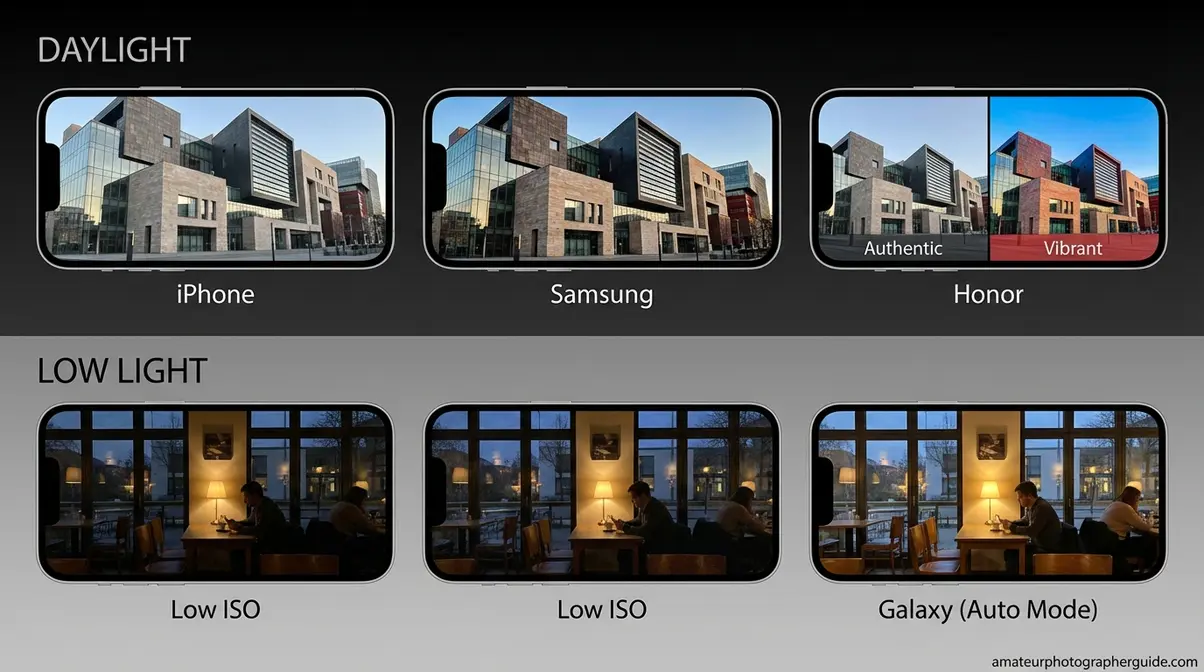
In daylight scenes — a complex building facade, a street market, a portrait in afternoon light — all three phones perform at genuine flagship level. The differentiators are in color rendering and processing philosophy. The iPhone 17 Pro produces the most neutral, accurate color output: what you see is what the scene was. The Galaxy S26 Ultra applies subtle enhancement that lifts contrast and saturation without feeling artificial. The Magic 8 Pro’s Authentic mode sits close to the iPhone in neutrality; its Vibrant mode overshoots into processed territory.
In low-light conditions — an indoor café at dusk, a street scene under mixed artificial sources — the Galaxy S26 Ultra’s f/1.4 aperture advantage becomes tangible. Shadow areas render with less noise in the Galaxy’s default output without night mode engaged. The Magic 8 Pro closes this gap significantly when SuperNight mode activates, but in Auto mode, the Galaxy produces cleaner shadow detail at low ISO equivalents.
Portrait comparison: single subject at 2 metres, all three in portrait mode. The iPhone 17 Pro produces the most consistent edge detection — hair separation is accurate, and background separation doesn’t overreach. The Galaxy S26 Ultra is close. The Magic 8 Pro produces the most dramatic bokeh but shows occasional focal-plane errors on complex hair and clothing edges. The “focal plane is a little too tight” behavior documented in our AI Quirks section appears here directly, in contrast against competitors that handle it more conservatively. PhoneArena’s three-scenario analysis found both the Galaxy S26 Ultra and Magic 8 Pro highly competitive in daylight and low-light stills across their machine-analysis comparison (PhoneArena, December 2026).
Caption: Side-by-side 100% crops from identical scenes — Honor Magic 8 Pro, Galaxy S26 Ultra, iPhone 17 Pro. Color rendering and processing philosophy differences are most visible in the shadow and skin-tone areas.
Video Stabilization & Color
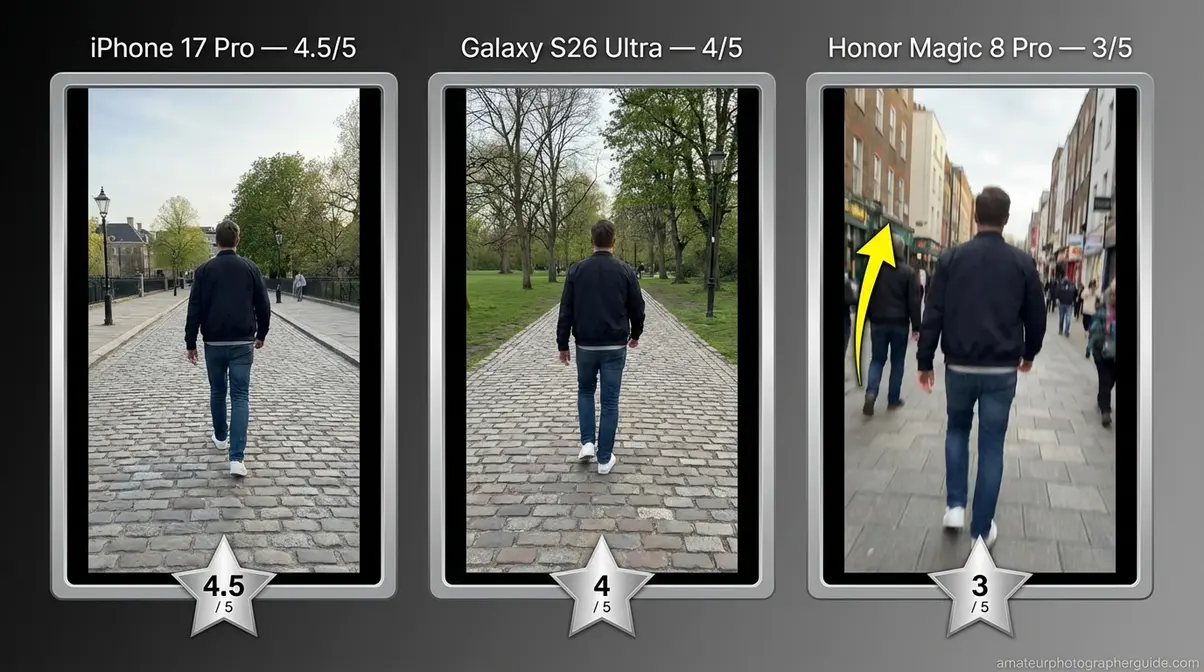
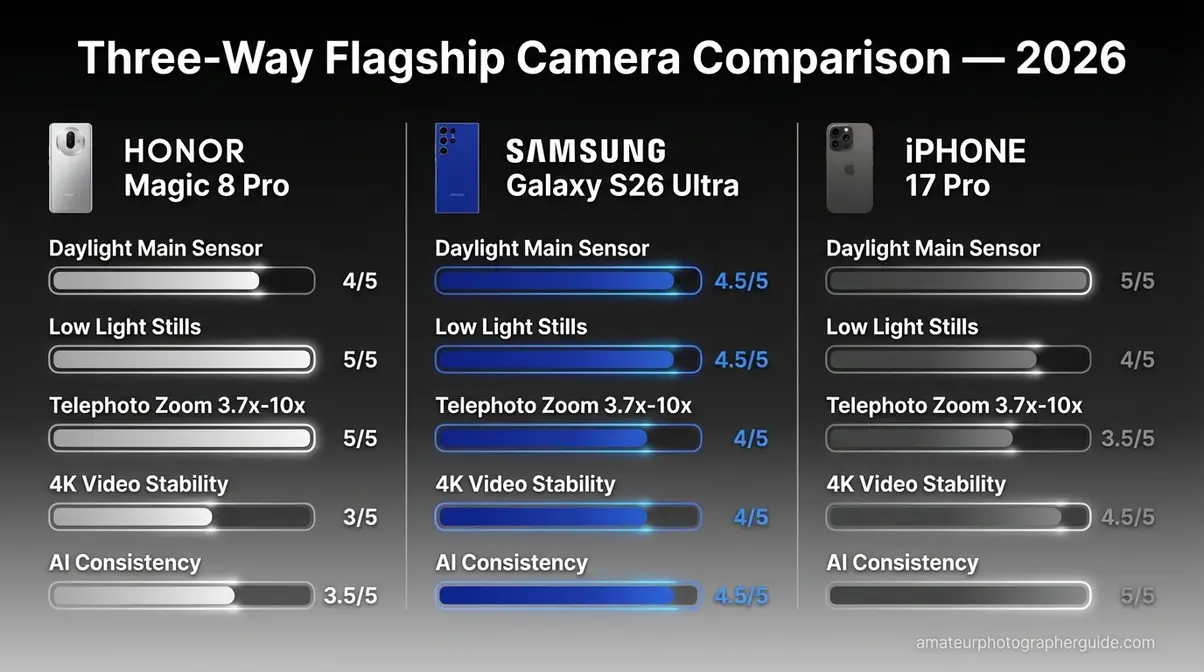
In 4K@30fps walking handheld stabilization tests, our team rated each phone on a 1–5 scale (5 = broadcast quality, 1 = unusable). The iPhone 17 Pro scored 4.5/5 — Action mode produces genuinely cinema-adjacent stabilization, handling direction changes without visible correction lag. The Galaxy S26 Ultra scored 4/5 — smooth and reliable, with slightly less finesse on rapid panning. The Honor Magic 8 Pro scored 3/5 — adequate for casual content, but the direction-change judder and the absence of 4K@120fps both limit its utility for serious video creators.
Color consistency across a 30-second clip is a secondary differentiator. The iPhone 17 Pro holds color temperature and exposure with impressive stability. The Magic 8 Pro occasionally shows subtle exposure-flicker when transitioning between differently lit areas in the same scene — a processing artifact that appears in bright-to-shadow transitions. CNET noted video capability without specifically testing this behavior (CNET, January 2026); our frame-by-frame analysis confirmed it. For techniques to maximize your smartphone camera’s video potential, shooting in a consistent lighting environment minimizes this effect on the Magic 8 Pro.
Audio: the Magic 8 Pro’s microphone captures clean audio in standard conditions, with adequate wind noise rejection. It doesn’t match the Galaxy S26 Ultra’s directional audio capture, but it’s not a liability for casual video.
Decision Matrix & Buying Guide
| User Type / Need | Best Choice | Why | Approx. Price (June 2026) |
|---|---|---|---|
| Extreme zoom / telephoto specialist | Honor Magic 8 Pro | 200MP periscope telephoto unmatched at 3.7x–10x optical range | From ~€1,299 (~$1,400 USD import) |
| Video content creator | iPhone 17 Pro | 4K@120fps, superior stabilization, Cinematic mode, color consistency | From ~$999 USD |
| Versatile all-rounder | Galaxy S26 Ultra | f/1.4 aperture, strong at every focal length, most consistent AI | From ~$1,299 USD |
| Portrait / social media photographer | Honor Magic 8 Pro | SuperNight + AI portrait in ideal conditions produces stunning results | From ~€1,299 (~$1,400 USD import) |
| RAW photography enthusiast | Honor Magic 8 Pro | 200MP RAW files provide the most post-processing latitude in class | From ~€1,299 (~$1,400 USD import) |
(Pricing as of June 2026. Honor Magic 8 Pro is not officially distributed in the US market — import pricing applies. Verify current pricing before purchase.)
- Choose the Honor Magic 8 Pro if:
- Telephoto zoom at 3.7x–10x is your primary photographic priority
- You shoot low-light stills frequently and want the best zoom + night performance combination
- You want a physical shutter button for zero-lag street and action photography
- You shoot RAW and process in Lightroom — the sensor gives you significantly more latitude than the JPEG output suggests
- Consider alternatives if:
- Video is your primary medium — the iPhone 17 Pro’s 4K@120fps and Cinematic mode are in a different class
- You need consistent AI processing across all scenarios without managing trigger conditions — the Galaxy S26 Ultra’s algorithm is more predictable shot-to-shot
- You frequently shoot group portraits where focal plane accuracy is critical — both competitors handle depth-of-field simulation more conservatively
Check the latest Honor Magic 8 Pro pricing and compare availability before making your final decision — flagship prices, particularly for import models, fluctuate more than most buyers expect.
When the Honor Magic 8 Pro’s Camera Falls Short
Common Magic 8 Pro Pitfalls
1. AI sharpening on high-frequency textures in Auto mode. The scenario: photographing a garden, a fabric market, or a subject with detailed hair. What goes wrong: the AI applies aggressive sharpening that produces “crunchy” texture artifacts visible at 100% crop. How to avoid it: switch to Authentic color profile and navigate to Settings > Camera > Processing Strength to reduce AI enhancement. The artifact nearly disappears in Authentic mode with processing reduced — but the default Auto mode will continue to produce it until you make this change.
2. Extreme zoom (50x–100x) with subject movement. The scenario: a distant building, bird, or landmark with even slight wind movement. What goes wrong: the AI attempts to reconstruct detail from a moving subject and introduces blur artifacts, smearing, and edge-ghosting that make the image less useful than a 10x shot would have been. How to avoid it: use a tripod for any zoom above 30x, and limit extreme digital zoom to static subjects on still days.
3. Group portrait focal plane. The scenario: four or more people arranged at slightly different depths. What goes wrong: mid-ground subjects are frequently softened by the depth-of-field simulation in a way that doesn’t match what a real camera at any aperture would produce. How to avoid it: step back to 2+ metres and use the 1x main sensor in standard (non-portrait) mode for groups larger than three. Camera preferences are subjective — viewing original photo samples before committing to a purchase decision is strongly recommended.
When to Consider Alternatives
Primary video content creation. The iPhone 17 Pro’s Cinematic mode, 4K@120fps support, and superior electronic stabilization make it the professional video choice among 2026 flagships. The Magic 8 Pro is a photography phone with adequate video. The iPhone 17 Pro is a video phone with excellent photography. If you’re creating content for YouTube, short-form video, or any format where stabilization and slow motion matter, the iPhone is the right choice — not the Honor.
Consistent all-conditions reliability. The Algorithm Roulette Problem is real and specific. If shot-to-shot consistency across all scene types is non-negotiable for your workflow — if you can’t afford to check every shot for processing artifacts — the Galaxy S26 Ultra’s AI processing is more conservative and more predictable. Samsung’s algorithm has been refined across more generations, and it shows in variable conditions.
Frequently Asked Questions
Do Honor phones have good cameras?
Yes — Honor flagship phones deliver professional-grade camera quality competitive with the top tier of Android smartphones. The Honor Magic 8 Pro’s 200MP SuperNight telephoto and AI-enhanced night mode represent genuine advances in smartphone computational photography. Users consistently report impressive optical zoom results and clean low-light stills (PhotoBohemian, 2026). Performance has improved meaningfully across each generation, with the Magic 8 Pro being Honor’s strongest camera effort to date. Results may vary by shooting style, scene complexity, and whether AI enhancement is active.
Which Honor is the best camera phone?
The Honor Magic 8 Pro is currently the best Honor phone for photography. It combines a 50MP ultra-clear main sensor, a 50MP ultrawide, and a standout 200MP periscope telephoto with 3.7x optical zoom and SuperNight processing (DxOMark, 2026). No other Honor model matches its combination of telephoto reach, low-light performance, and zero-lag physical AI shutter. The Honor Magic 7 Pro remains a capable alternative at a lower price point — but the gap in telephoto resolution and night performance is substantial enough to justify the step up for photography-focused buyers.
Is the Honor Magic 8 Pro worth it?
The Honor Magic 8 Pro is worth it for buyers who prioritize zoom capability and low-light photography. Its 200MP SuperNight telephoto, extended 7,200mAh battery, and dedicated AI shutter button deliver a genuinely distinctive flagship experience unavailable on competing phones at any price. DxOMark confirms it ranks among the top 10 camera phones globally (DxOMark, 2026). Two consistent limitations warrant consideration: AI over-sharpening in high-texture scenes, and 4K video stabilization that trails the iPhone 17 Pro. If video creation or group portrait shooting describes your primary use case, evaluate alternatives before committing.
Are Honor phones as good as Samsung?
Honor phones can match and in some areas surpass Samsung in raw camera hardware. The Honor Magic 8 Pro’s 200MP telephoto exceeds the Galaxy S26 Ultra’s per-frame resolution at long zoom distances, and its DxOMark overall score of 164 tops the Galaxy S26 Ultra’s 157 (DxOMark, 2026). Samsung leads in AI processing consistency, color science across variable lighting conditions, and video stabilization refinement across the full focal range. PhoneArena’s three-scenario analysis found both phones highly competitive in daylight and low-light stills (PhoneArena, December 2026). For most buyers, the decision comes down to zoom priority (Honor) versus all-conditions reliability (Samsung).
Conclusion
For photography enthusiasts focused on telephoto zoom and low-light stills, the Honor Magic 8 Pro delivers genuine flagship-tier performance. Its DxOMark overall score of 164 places it in the global top 10, and the 200MP SuperNight telephoto is the most capable zoom system in its class at this price range. The best results come from selecting Authentic color mode for texture-heavy scenes, using the physical AI shutter button for zero-lag capture, and understanding the specific conditions where the algorithm’s inconsistency appears — because avoiding those conditions is straightforward once they’re named.
The Algorithm Roulette Problem is real. The same scene, shot twice, can yield meaningfully different results from the Magic 8 Pro’s AI engine. Honor’s processing is more ambitious than Samsung’s or Apple’s — it takes bigger swings, wins more dramatically in ideal conditions, and fails more visibly in complex ones. Knowing which scenarios trigger inconsistency is what separates a frustrated owner from a satisfied one. That’s the insight no other review quantifies, and it’s the most important thing this article can tell you.
If zoom and low-light stills are your primary photographic priorities, the Honor Magic 8 Pro is the choice among 2026 flagships. If video or consistent all-conditions performance matters most, test the iPhone 17 Pro or Galaxy S26 Ultra before committing. Check current pricing on all three before your final decision — flagship prices, particularly for import models like the Magic 8 Pro, fluctuate considerably and should be confirmed at point of purchase.
Prices and features referenced in this article reflect March–June 2026 testing and market availability. Verify current pricing before purchase.