Table of Contents
- Quick Summary
- Step 1: Select the Right Gear for Night Photography
- Step 2: Set Up Camera Settings for Low-Light Scenes
- Step 3: Scout and Compose Your Nighttime Shots
- Step 4: Capture Images Using Proven Night Techniques
- Step 5: Review and Adjust Your Night Photos
- Elevate Your Night Photography Skills Starting Today
- Frequently Asked Questions
- Recommended
This blog post may contain affiliate links. As an Amazon Associate I earn from qualifying purchases.
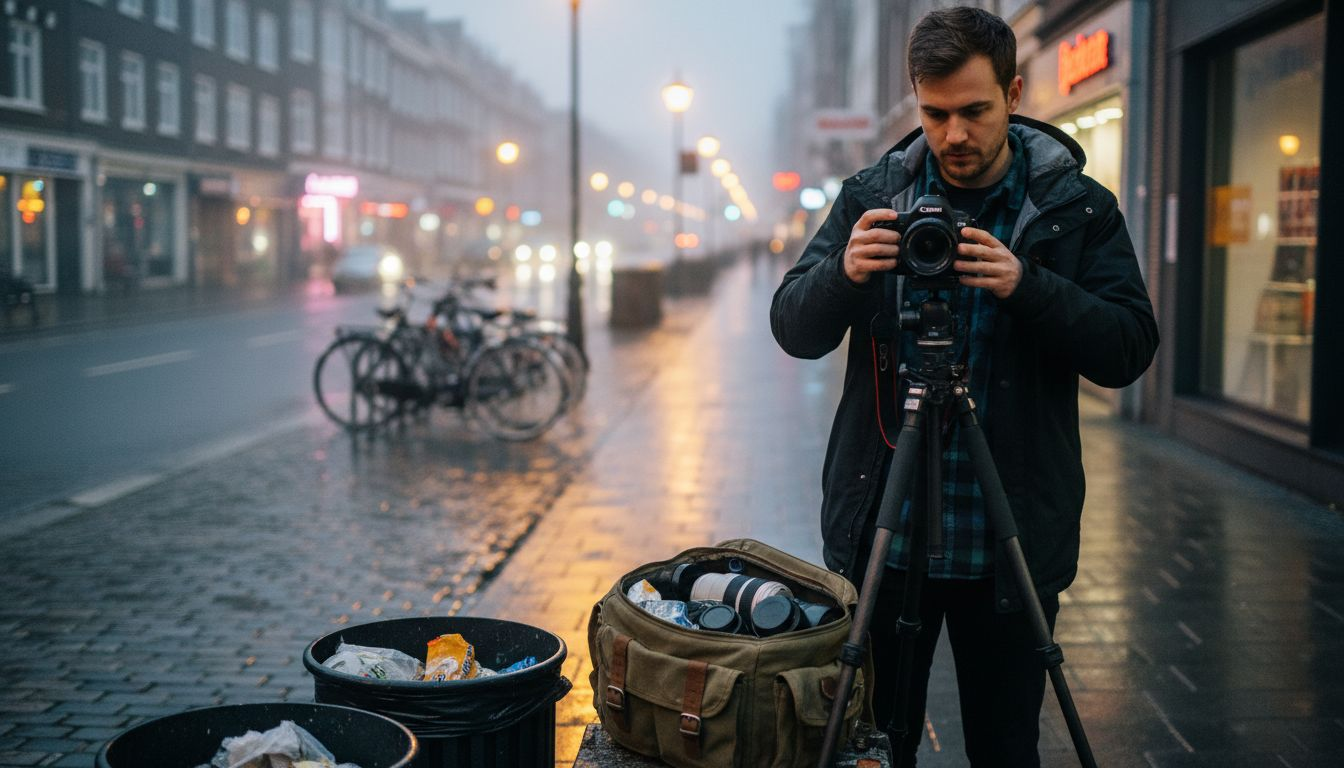
Bold street lights, vivid star trails, and quiet cityscapes often seem just out of reach for beginners tackling low-light photography. As soon as dusk falls, capturing sharp, vibrant photos can become a real challenge without the right gear and techniques. Whether you are shooting in New York, Tokyo, or your own backyard, this guide offers practical steps and camera sensor size tips to help you master every part of night time photography—from essential gear selection to post-processing touches—so your after-dark images truly shine.



Quick Summary
| Key Point | Explanation |
|---|---|
| 1. Choose specialized night photography gear | Select full-frame cameras and wide-aperture lenses to enhance performance in low-light conditions. |
| 2. Use manual settings for control | Adjust ISO, aperture, and shutter speed manually to optimize for limited light and capture vivid details. |
| 3. Scout locations before shooting | Research and assess potential sites during the day to identify the best compositions and avoid light pollution. |
| 4. Master key night photography techniques | Implement long exposure and light painting to create visually dynamic images that tell a story. |
| 5. Post-process for stunning results | Utilize editing tools to enhance exposure, reduce noise, and correct colors, maximizing the image quality. |
Step 1: Select the Right Gear for Night Photography
Capturing stunning night photographs requires thoughtful gear selection that empowers you to work effectively in challenging low-light conditions. Your equipment choices can dramatically impact image quality and creative possibilities when shooting after dark.
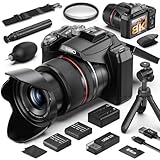
Successful night photography demands specialized gear with specific capabilities. Camera sensor size and high ISO performance are critical factors to consider. Look for cameras with larger sensors – typically full-frame or APS-C models – that handle digital noise better in dark environments. Key gear recommendations include:
- Full-frame digital cameras with excellent low-light capabilities
- Wide-aperture prime lenses (f/1.8 or wider) to maximize light gathering
- Sturdy tripod capable of stable long-exposure shots
- Remote shutter release to minimize camera vibration
A comprehensive guide on selecting camera gear can provide deeper insights into matching equipment to your specific night photography goals. When choosing lenses, prioritize glass with wide maximum apertures like f/1.4 or f/1.8, which allow significantly more light compared to standard kit lenses.
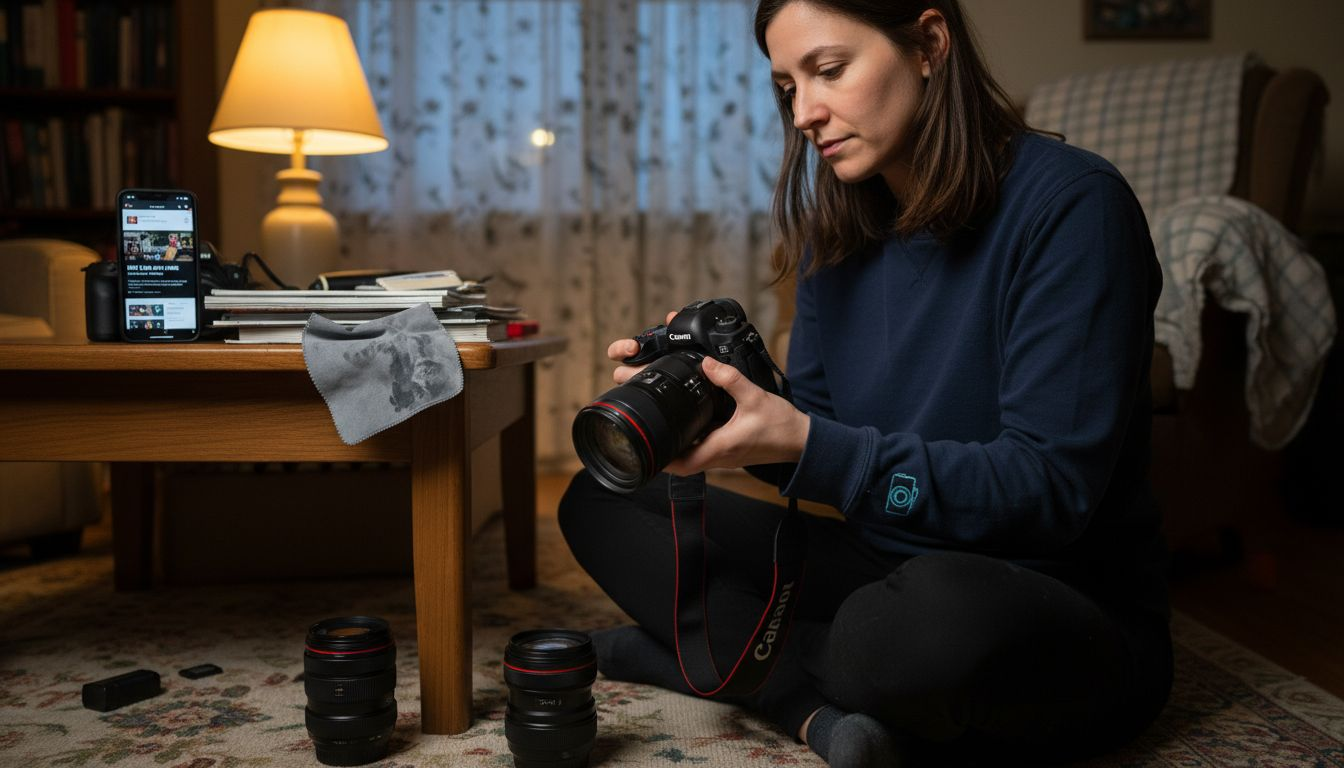
Here is a comparison of camera sensor types for night photography:
| Sensor Type | Noise Performance | Typical Cameras | Best Use Scenario |
|---|---|---|---|
| Full-frame | Excellent | Professional DSLRs | Advanced night landscapes |
| APS-C | Good | Enthusiast mirrorless | General night photography |
| Micro Four Thirds | Moderate | Compact mirrorless | Portability-focused shoots |
| Smartphone | Limited | Mobile phones | Casual night snapshots |
Pro tip: Invest in gear that offers flexibility across multiple shooting scenarios, balancing specialized night photography needs with general versatility.
Pro tip: Test your equipment’s performance in simulated low-light conditions before important night shoots to understand its precise capabilities and limitations.
Step 2: Set Up Camera Settings for Low-Light Scenes
Capturing compelling nighttime images requires precise camera configuration that compensates for limited ambient light and maximizes your sensor’s performance. Understanding how to adjust your camera settings strategically will transform challenging low-light environments into stunning photographic opportunities.
Successful night photography demands a deliberate approach to camera configuration. Manual mode provides the most control, allowing you to fine-tune essential parameters. Key settings to adjust include:
- ISO sensitivity (typically between 800-3200 for night scenes)
- Aperture (wide openings like f/1.4 – f/2.8 to maximize light intake)
- Shutter speed (slower speeds between 1-30 seconds for proper exposure)
- White balance (tungsten or custom settings for accurate color rendering)
Low light photography tips can help you understand the nuanced techniques for capturing crisp nighttime images. Experimenting with these settings will help you develop an intuitive sense of how each adjustment impacts your final photograph.
Mastering low-light camera settings requires patience and practice – each scene demands unique configuration.
Pro tip: Always shoot in RAW format to preserve maximum image data and provide greater flexibility during post-processing.
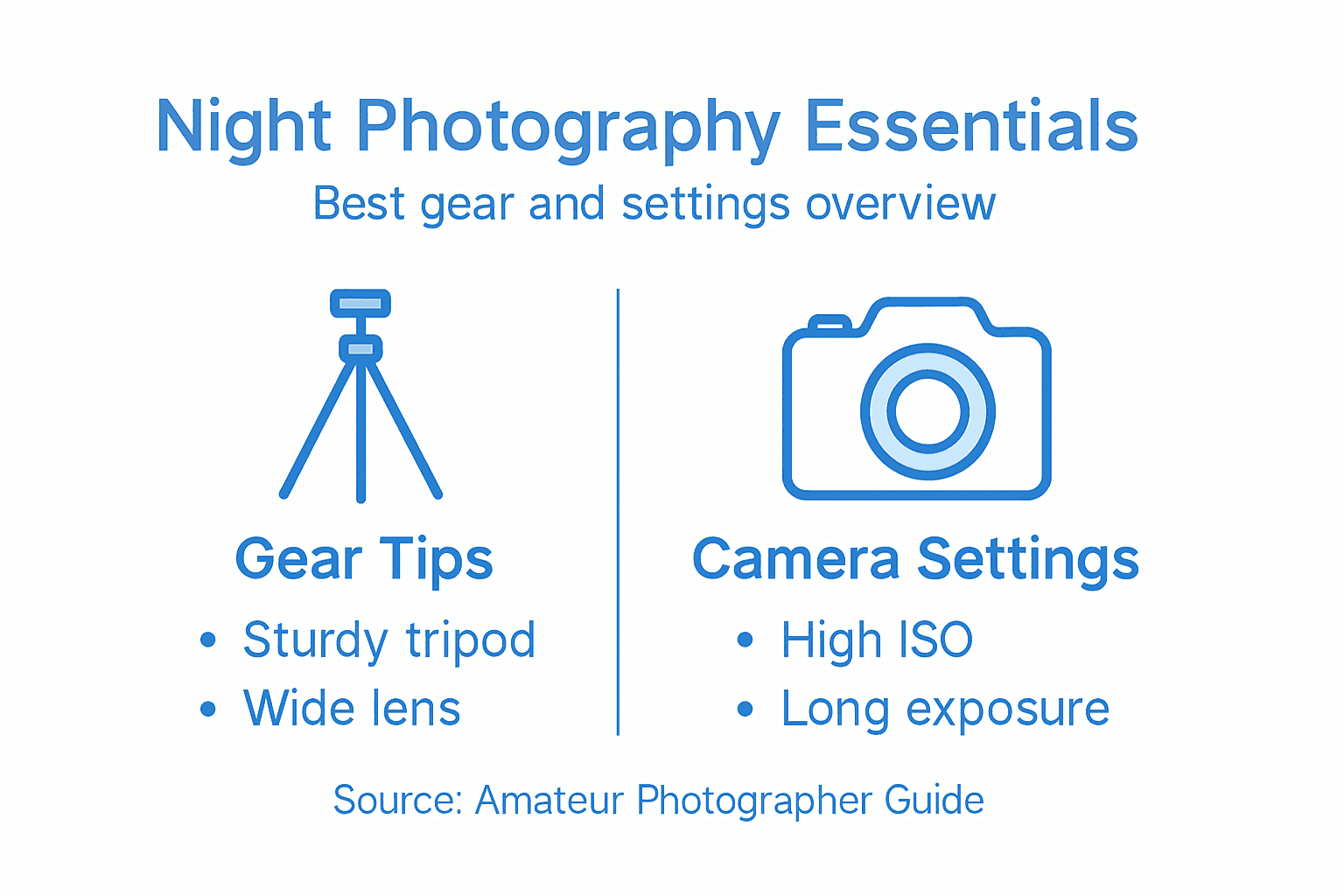
This reference table shows how key camera settings affect night images:
| Setting | Night Impact | Possible Tradeoff |
|---|---|---|
| High ISO | Brightens dark scenes | Increases image noise |
| Wide Aperture | Maximizes light capture | Reduces depth of field |
| Slow Shutter | Enables long exposures | Adds motion blur |
| RAW Format | Preserves details for editing | Larger file sizes |
Step 3: Scout and Compose Your Nighttime Shots
Successful night photography begins long before you press the shutter – it starts with strategic location scouting and thoughtful compositional planning. Identifying compelling nighttime scenes requires a blend of research, exploration, and creative visualization that transforms ordinary landscapes into extraordinary photographic experiences.
Pre-shoot preparation is critical for capturing remarkable night images. Digital mapping tools and light pollution resources can help you identify promising locations with minimal ambient light interference. Key scouting strategies include:
- Research potential locations using satellite imagery and topographic maps
- Visit sites during daylight to assess terrain, accessibility, and compositional elements
- Analyze potential foreground and background features that enhance visual interest
- Document location details with preliminary daytime photographs
Photo composition techniques can dramatically elevate your nighttime imagery by helping you identify leading lines, natural framing, and compelling visual narratives. Pay special attention to elements like silhouettes, reflections, and geometric shapes that become particularly striking under nocturnal lighting conditions.
Night photography transforms ordinary landscapes into mysterious, evocative visual stories waiting to be captured.
Pro tip: Always carry a reliable flashlight and backup battery during nighttime location scouting to ensure safe navigation and unexpected creative opportunities.
Step 4: Capture Images Using Proven Night Techniques
Unlocking the magic of nighttime photography requires mastering specialized techniques that transform dark environments into captivating visual stories. By understanding and applying strategic approaches, you can create stunning images that reveal the hidden beauty of nocturnal landscapes.
Precise technical execution is crucial for exceptional night photography. Manual or bulb mode provides ultimate control over your exposure settings, allowing you to experiment with complex lighting scenarios. Key techniques to implement include:
- Long exposure photography to capture light trails and star movements
- Multiple exposure stacking for reducing digital noise and enhancing image clarity
- Light painting techniques to add creative illumination and depth
- Precise manual focusing strategies for sharp nighttime compositions
Low light photography tips can help you refine your approach to nighttime image capture, particularly when working with challenging lighting conditions. Experiment with different shutter speeds and exposure settings to develop an intuitive understanding of how light behaves after sunset.
Nighttime photography is an art of patience – each frame tells a unique story of darkness and illumination.
Pro tip: Practice your night photography techniques in controlled environments before venturing into complex outdoor locations to build confidence and technical proficiency.
Step 5: Review and Adjust Your Night Photos
Refining your night photography requires strategic post-processing techniques that transform raw captures into compelling visual narratives. The editing process is where good nighttime images become extraordinary, revealing hidden details and enhancing the atmospheric mood of your shots.
Digital editing tools play a critical role in perfecting nighttime photographs, offering powerful capabilities for noise reduction, color correction, and creative enhancement. Focus on these key post-processing strategies:
- Exposure adjustment to balance shadows and highlights
- Noise reduction for cleaner image quality
- Color temperature correction to restore natural tones
- Selective editing of specific image regions
Photo editing tips can help you navigate the nuanced world of nighttime image refinement, particularly when dealing with complex lighting scenarios. Carefully examine each image for potential improvements in detail, contrast, and overall visual impact.
Post-processing is where technical precision meets creative interpretation in night photography.
Pro tip: Always work with RAW image files to preserve maximum editing flexibility and maintain the highest possible image quality throughout your post-processing workflow.
Elevate Your Night Photography Skills Starting Today
Struggling to capture stunning night photos despite having the right gear and settings often happens when you miss the deeper insights and step-by-step guidance that make all the difference. This guide highlights challenges like mastering low-light camera settings, composition, and post-processing—key hurdles for many amateur photographers eager to create breathtaking night images. If you want to overcome noise issues, achieve sharp focus in the dark, and bring your nighttime visions to life, expert advice paired with practical tutorials can transform your results.
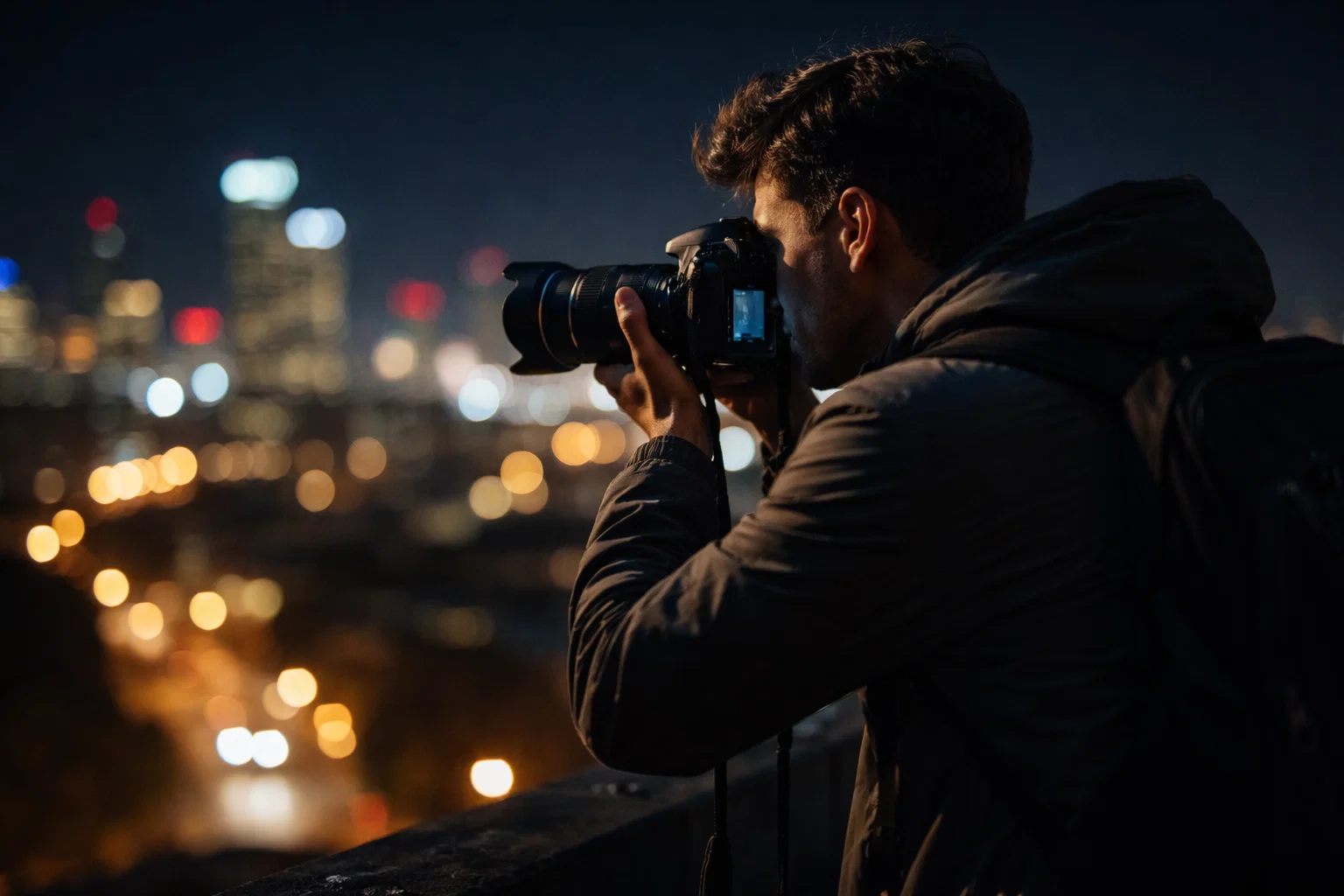
Discover how to refine your skills at Amateur Photographer Guide where you will find detailed tutorials on low light photography settings and nighttime shooting techniques. Our easy-to-follow content simplifies complex concepts like noise reduction and long exposure so you can build confidence behind the camera. Don’t wait any longer to capture the scenes you imagine. Visit us now to unlock the secrets every night photographer needs.
Frequently Asked Questions
What camera settings should I use for night photography?
To achieve optimal results in night photography, use manual mode to adjust your ISO sensitivity, aperture, and shutter speed. Set your ISO between 800-3200, choose a wide aperture (like f/1.4 to f/2.8), and select slower shutter speeds of 1-30 seconds for proper exposure.
How do I choose the right gear for stunning night photographs?
Select gear that excels in low-light conditions, focusing on full-frame digital cameras and wide-aperture lenses. Use a sturdy tripod to support longer exposures and consider a remote shutter release to minimize vibrations.
What techniques can I use to capture interesting night images?
Employ long exposure photography to capture light trails and star movements, or try light painting for creative illumination. Experiment with multiple exposure stacking to reduce noise and enhance clarity in your images.
How can I improve my night photography composition?
Scout locations during the day to evaluate terrain and identify compelling foreground and background features. Utilize leading lines and natural framing to enhance visual interest and ensure your composition tells a captivating story.
What post-processing tips should I consider for night photography?
Focus on exposure adjustments, noise reduction, and color temperature correction during editing. Use selective editing techniques to enhance specific regions of your image for greater impact and clarity.
Recommended
- Low Light Photography: Everything You Need to Know
- 7 Essential Low Light Photography Tips for Beginners
- 7 Key Street Photography Techniques for Better Shots
- Best Low Light Camera Guide: Point-and-Shoot Models That Actually Work
Last update on 2026-03-31 / Affiliate links / Images from Amazon Product Advertising API