How to Improve Photo Composition for Stunning Images
Learn how to improve photo composition with a practical, step-by-step guide that takes you from setup through execution and review for better, impactful photographs.

Overlooking the details in your shooting environment can make even the most interesting scenes fall flat. Thoughtful photo composition is more than a technical step; it is the spark that turns ordinary photos into memorable stories full of mood and emotion. By focusing on elements like intentional setup, framing, and light, you can develop a distinctive style and consistently create images that draw viewers in and hold their attention.
What’s in this guide
- Quick Summary
- Step 1: Set up your shooting environment intentionally
- Step 2: Choose and apply effective framing techniques
- Step 3: Adjust subject placement for visual balance
- Step 4: Enhance scenes using light and perspective
- Step 5: Review your shots and refine composition choices
- Master Photo Composition and Capture Stunning Images Today
- Frequently Asked Questions
- Recommended

Canon EOS Rebel T7 DSLR Camera Double Zoom Lens Kit with EF-S 18-55mm and EF 75-300mm Lenses, 24.1 Megapixel CMOS (APS-C) Sensor, Full HD Videos, Wi-Fi, Beginner Photographers, Digital Camera, Black

Canon EOS Rebel T7 DSLR Camera EF-S 18-55mm f/3.5-5.6 is II Lens Kit, 24.1 Megapixel CMOS (APS-C) Sensor, Full HD Videos, Built-in Wi-Fi, Beginner Photographers, Digital Camera, Black

Canon EOS R100 Mirrorless Camera RF-S18-45mm F4.5-6.3 is STM Lens Kit, 24.1 Megapixel CMOS (APS-C) Sensor, 4K Video, Wi-Fi & Bluetooth, Beginner Photographers and Creators, Digital Camera, Black

8K & 64MP Digital Camera for Photography, 48X Zoom (16X Optical + 3X Digital) with Moon Mode, 180° Flip Screen, WiFi, Micro HDMI, 64GB Card & 2 Batteries, Vlogging Camera for YouTube (Black)

Canon EOS Rebel T7 DSLR Camera w/EF-S 18-55mm F/3.5-5.6 Zoom Lens + 420-800mm Super Telephoto Lens + 100S Sling Backpack + 64GB Memory Cards, Professional Photo Bundle (42pc Bundle) (Renewed)
Quick Summary
| Key Insight | Explanation |
|---|---|
| 1. Intentionally set up your environment | Critically assess your setting to identify lines, textures, and colors, enhancing your composition. |
| 2. Use framing techniques strategically | Apply natural frames and leading lines to guide the viewer’s eye and create depth in your images. |
| 3. Apply the rule of thirds for balance | Position your subject at grid intersections to enhance visual interest and emotional response. |
| 4. Experiment with light and perspective | Vary your shooting angles and light conditions to evoke different moods and perceptions in your photography. |
| 5. Review and refine your shots | Systematically evaluate your images for compositional strengths, making adjustments in post-processing for improvement. |
Step 1: Set up your shooting environment intentionally
Creating a thoughtful shooting environment is the foundation of remarkable photography. By approaching your scene with intentional preparation, you transform ordinary spaces into compelling visual narratives that capture viewers’ imagination and emotion.
Start by scanning your entire environment with a critical eye. Look for natural lines, interesting textures, color contrasts, and potential framing elements that can guide the viewer’s attention. Photographers who plan their photo shoot strategically understand that the background matters just as much as the subject. Position yourself carefully to eliminate distracting elements and create clean, purposeful compositions.
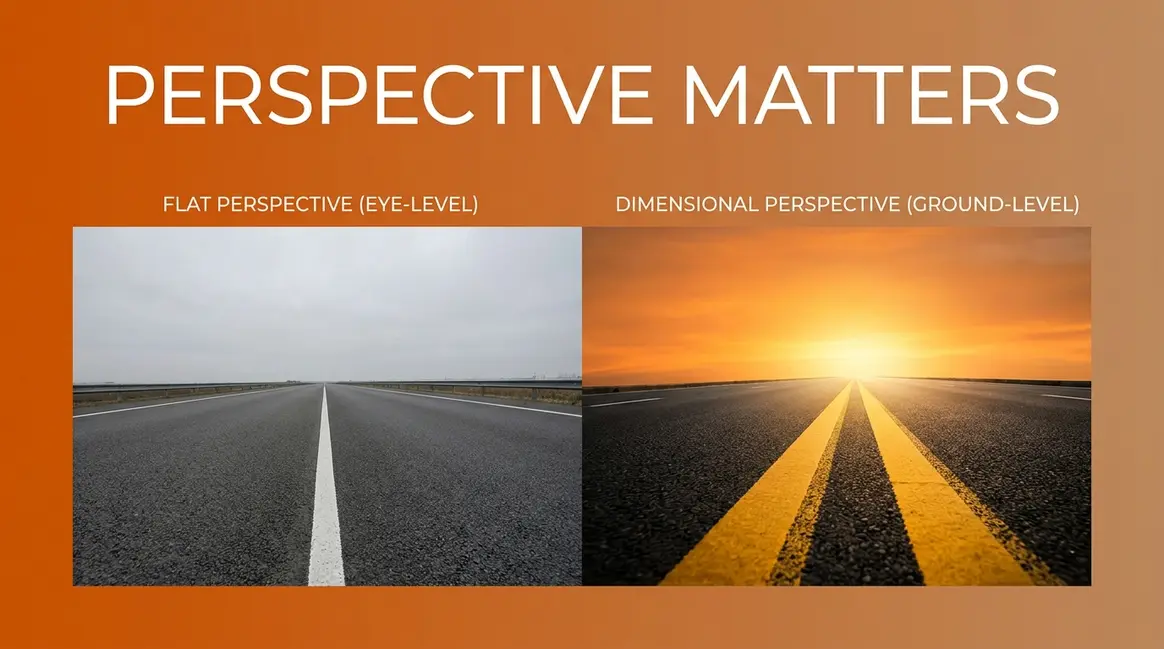
Remember that composition is about subtraction as much as addition. Move around your space. Crouch. Stand on something. Change your perspective. Each small adjustment can dramatically alter how light interacts with your subject and how viewers perceive depth and dimension. Experiment with different angles until the scene feels balanced and intentional.
Pro Tip: Keep a small folding step stool in your camera bag to quickly adjust your shooting height and explore unique perspectives that most photographers miss.
Step 2: Choose and apply effective framing techniques
Framing is your secret weapon in transforming good photographs into extraordinary visual stories. Understanding how to strategically frame your subject can elevate your images from ordinary snapshots to compelling artistic expressions that draw viewers into the scene.
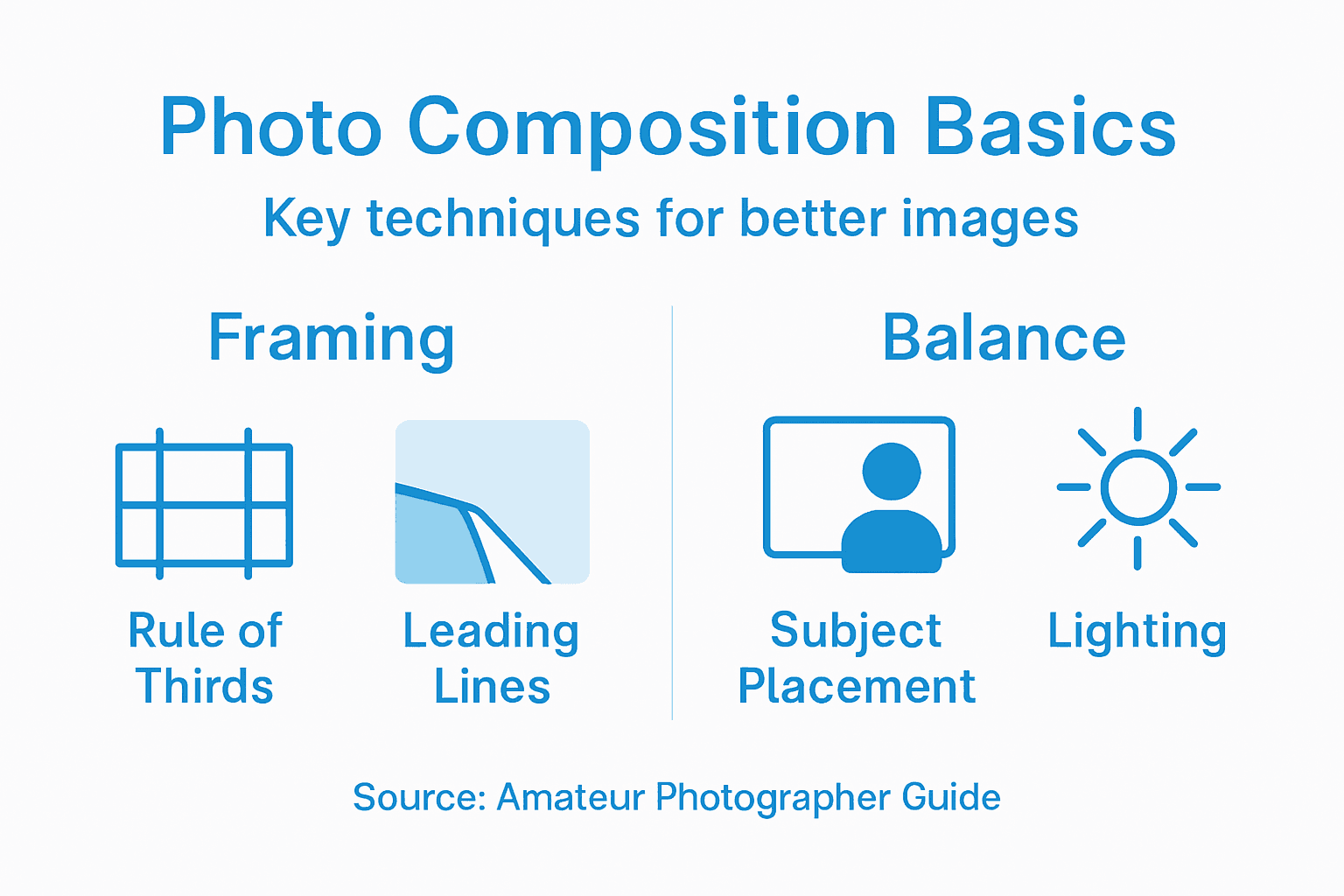
Start by exploring different compositional techniques that help guide the viewer’s eye. Natural frames like archways, tree branches, or windows can add depth and context to your image. The composition in photography involves intentionally using these elements to create visual interest. Pay attention to how objects in the foreground and background interact. Look for leading lines that draw attention toward your primary subject. Try positioning your subject slightly off center using the rule of thirds to create more dynamic and engaging images.
Dont be afraid to experiment with perspective and angle. Move around your subject. Crouch down. Climb higher. Each shift in position reveals new framing possibilities. Sometimes the most powerful compositions emerge when you challenge traditional viewpoints and capture your subject from unexpected angles.
Pro Tip: Keep a small piece of cardboard with a rectangular cutout in your camera bag to help you quickly visualize potential framing compositions before taking the actual shot.
Step 3: Adjust subject placement for visual balance
Balancing your subject within the frame is an art that transforms ordinary photographs into visually compelling narratives. Understanding how to strategically position your subject can create images that draw viewers in and tell a powerful story without saying a word.
The rule of thirds is your primary tool for achieving visual balance. Imagine dividing your frame into a 3×3 grid and place your subject at the intersections of these lines. This technique naturally creates more tension and interest than centering your subject. When shooting street photography techniques, consider how negative space can be just as important as your subject. A lone figure positioned off center with expansive background can create a sense of isolation or contemplation.

Experiment with different placements to understand how subject positioning impacts emotional response. Try placing your subject in the lower third of the frame to create a sense of vulnerability. Alternatively, position them in the upper third to convey strength or aspiration. Remember that balance isnt just about horizontal placement but also considers depth and visual weight. A smaller object in the foreground can counterbalance a larger subject in the background.
Here’s a summary of popular composition techniques and their visual impact:
| Technique | Visual Effect | Typical Use |
|---|---|---|
| Rule of Thirds | Creates dynamic balance | Portraits, landscapes |
| Leading Lines | Directs viewer’s attention | Architecture, street scenes |
| Framing Elements | Adds depth and context | Nature, urban photography |
| Negative Space | Highlights emotion or subject | Minimalist, conceptual images |
Pro Tip: Practice your composition by taking multiple shots of the same scene with your subject in different positions to develop an intuitive sense of visual balance.
Step 4: Enhance scenes using light and perspective
Light and perspective are the magical ingredients that transform ordinary photographs into extraordinary visual stories. By mastering these elements, you can create images that captivate viewers and communicate emotions far beyond simple visual representation.
Understanding perspective in photography allows you to manipulate how viewers perceive depth and spatial relationships. Experiment with different shooting angles such as getting low to the ground or finding elevated positions. A subject photographed from a low angle can appear more powerful and imposing, while a high angle can create a sense of vulnerability or diminishment. Consider how the angle changes the narrative of your image.
Light is your most powerful compositional tool. Observe how different lighting conditions dramatically alter mood and texture. Early morning and late afternoon light create soft, dramatic shadows that add depth and dimension to your scenes. Watch how light interacts with your subject experiment with side lighting to reveal texture, backlighting to create silhouettes, or soft diffused light for even, flattering illumination. Pay attention to the quality, direction, and intensity of light and how it shapes the visual narrative of your photograph.
Use this reference to quickly match light types with their creative impact:
| Lighting Type | Effect on Mood | Best For |
|---|---|---|
| Side Lighting | Reveals texture | Dramatic portraits |
| Backlighting | Creates silhouettes | Atmospheric landscapes |
| Diffused Light | Softens features | Flattering portraits |
| Golden Hour | Warm, soft glow | Scenic outdoor photography |
Pro Tip: Carry a simple white or gray card to help you quickly adjust white balance and exposure in varying lighting conditions, ensuring consistent color and tone across your images.
Step 5: Review your shots and refine composition choices
Reviewing and refining your photographs is where technical skill meets artistic growth. This critical step transforms good images into extraordinary visual narratives by helping you understand your compositional strengths and areas for improvement.
Learn the art of culling in photography to critically evaluate your shots. Develop a systematic approach to reviewing your images. Look beyond initial impressions and analyze each photograph objectively. Pay attention to elements like subject placement, leading lines, depth of field, and overall balance. Ask yourself critical questions: Does the image tell a story? Are there distracting elements that could be eliminated through cropping? Does the composition guide the viewer’s eye effectively?
Utilize post processing as a powerful refinement tool. Experiment with subtle adjustments like slight crops, minor rotations, or careful exposure corrections that can dramatically improve your composition. Study each image as if youre seeing it for the first time. Sometimes stepping back and viewing your work with fresh eyes reveals compositional nuances you missed during the initial shoot. Remember that great photography is an iterative process of continuous learning and refinement.
Pro Tip: Create a personal editing checklist with specific composition criteria to maintain consistency and objectivity when reviewing your photographs.
Master Photo Composition and Capture Stunning Images Today
Are you struggling to find the perfect balance in your photo compositions or frustrated by how lighting and framing impact your shots? The article highlights key challenges like setting up intentional shooting environments, choosing effective framing techniques, and refining subject placement—all essential to crafting compelling photographs that resonate emotionally. If you want to stop second-guessing your composition and start shooting with confidence, understanding these crucial concepts is your first step.
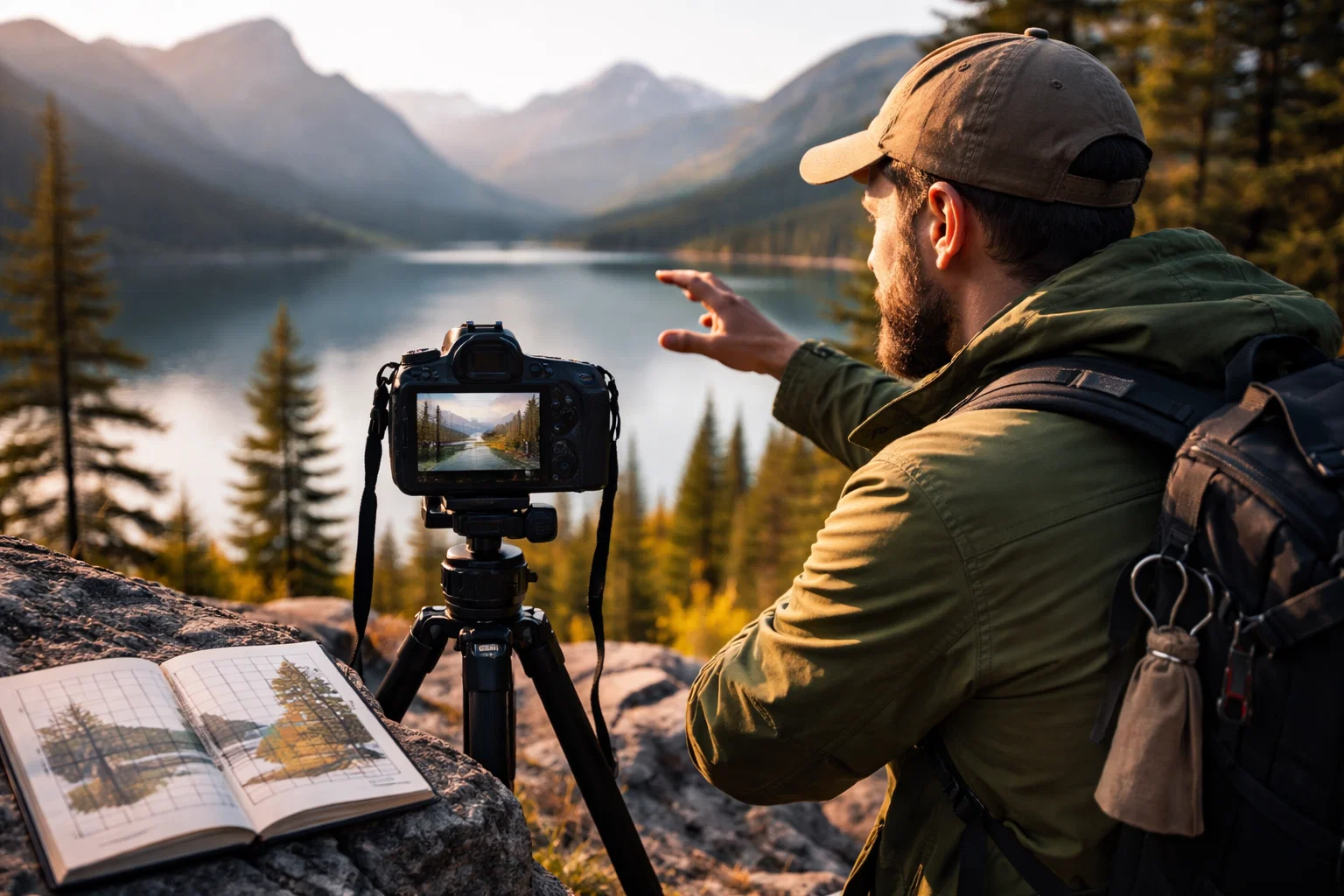
Explore practical tutorials, expert tips, and gear recommendations at Amateur Photographer Guide to deepen your knowledge of composition in photography and what is perspective in photography. Unlock your potential as a photographer by learning how to control light, find perfect angles, and refine your shots with ease. Visit Amateur Photographer Guide now to start elevating your images and make every photo shoot a creative success.
Frequently Asked Questions
How can I set up my shooting environment for better photo composition?
Creating a thoughtful shooting environment is essential for improving photo composition. Start by scanning your surroundings for natural lines and interesting textures, and position yourself carefully to eliminate distractions from your composition.
What are some effective framing techniques to enhance my photographs?
Utilize framing techniques like the rule of thirds and leading lines to create engaging compositions. Move around your subject, experiment with different angles, and use natural frames like archways or branches to draw the viewer’s eye to the main subject.
How does subject placement affect the visual balance of my images?
Subject placement significantly impacts the visual balance and emotional response of your photographs. Try placing your subject at the intersections of a 3×3 grid to create intrigue, and experiment with different positions to see how they change the overall narrative of the image.
What role does light play in improving photo composition?
Light is critical in transforming your photographs and enhancing composition. Experiment with different lighting conditions, such as golden hour or diffused light, to discover how they alter mood and texture in your scenes.
How should I review my shots to refine my composition choices?
Review your photographs critically to identify strengths and areas for improvement. Analyze elements like subject placement and overall balance, then make subtle adjustments in post-processing to enhance your compositions further.
What is the rule of thirds, and how can it improve my photography?
The rule of thirds involves dividing your frame into a 3×3 grid and placing your subject at the lines’ intersections. This technique naturally creates more visual interest, so practice composing your shots this way for a more dynamic outcome.
Recommended
Last update on 2026-07-21 / Affiliate links / Images from Amazon Product Advertising API

Dave King
Hi, I'm Dave, the founder of Amateur Photographer Guide. I created this site to help beginner and hobbyist photographers build their skills and grow their passion. Here, you’ll find easy-to-follow tutorials, gear recommendations, and honest advice to make photography more accessible, enjoyable, and rewarding.