Table of Contents
- Key Takeaways
- Best Sellers: Photography Light
- Defining the Role of Light in Photography
- Types of Light and Their Characteristics
- How Light Affects Camera Exposure Settings
- Practical Lighting Techniques for Better Photos
- Common Mistakes When Using Light in Photography
- Master Light Like a Pro to Transform Your Photos
- Frequently Asked Questions
- <strong>Conclusion: Master the Light, Master the Craft</strong>
- Recommended
This blog post may contain affiliate links. As an Amazon Associate I earn from qualifying purchases.
Every photograph begins with a simple truth: without light, there would be nothing to see or capture. Light does much more than illuminate a scene. It shapes every detail, from exposure to color to the emotional mood your image conveys.
In fact, the quality and direction of light are responsible for over 80 percent of a photo’s visual impact. Understanding this essential ingredient gives photographers the power to turn everyday moments into truly memorable works of art.
Key Takeaways
| Point | Details |
|---|---|
| The Essence of Light in Photography | Light is crucial in photography, influencing exposure, color, and mood, transforming ordinary scenes into narratives. |
| Types of Light | Different light types, such as hard and soft light, have unique characteristics that can affect the emotional impact of photographs. |
| Mastering Exposure Settings | Understanding the interplay of aperture, shutter speed, and ISO is vital for achieving proper exposure under varying lighting conditions. |
| Common Mistakes with Light | Photographers should avoid pitfalls like harsh shadows and incorrect white balance to enhance image quality and emotional resonance. |
Best Sellers: Photography Light


Defining the Role of Light in Photography
Light is the fundamental essence of photography – the very heartbeat that transforms ordinary scenes into extraordinary visual narratives. Without light, no photograph could exist. Photographers don’t just capture images; they capture light and its intricate interactions with subjects, surfaces, and environments.
At its core, light determines three critical photographic elements: exposure, color, and mood. Every beam of light that enters your camera lens carries immense potential for storytelling. Soft morning sunlight creates gentle, dreamy scenes.
Harsh midday light produces stark, high-contrast images. Dramatic side lighting can sculpt depth and reveal textures in ways that transform ordinary subjects into compelling visual experiences.
Photographers have multiple strategies for working with light. Some techniques include:
- Directional Lighting: Positioning light sources to create specific shadows and highlights
- Color Temperature Management: Understanding how different light sources produce varying color tones
- Intensity Control: Adjusting light volume to achieve desired dramatic or subtle effects
While light might seem simple, it’s profoundly complex. Professional photographers spend entire careers mastering its nuanced behaviors.
Whether shooting landscapes, portraits, or street photography, understanding light’s role is fundamental. For a deeper exploration of lighting techniques, check out our tutorial on understanding exposure.
Every photograph is essentially a dance between camera and light – with skilled photographers choreographing this intricate performance through technical knowledge and creative vision.
Types of Light and Their Characteristics
Photographic light is not a one-size-fits-all phenomenon. Photographers understand that different light types dramatically transform visual storytelling, each with unique characteristics that can enhance or diminish an image’s emotional impact. Understanding these variations allows you to intentionally craft photographs that communicate precisely what you envision.
Here’s a summary of the main types of photographic light and their characteristics:
| Light Type | Main Sources | Shadow Quality | Typical Uses |
|---|---|---|---|
| Hard Light | Direct sunlight Spotlights | Sharp, defined, high contrast | Dramatic portraits Graphic effects |
| Soft Light | Overcast sky Diffused lamps | Gentle, diffused, low contrast | Flattering portraits Even illumination |
| Natural Light | Sunlight Moonlight Fire | Varies by time & weather | Landscapes Outdoor photography |
| Artificial Light | Studio lamps Flash LED | Controlled, customizable | Studio, product, event photography |
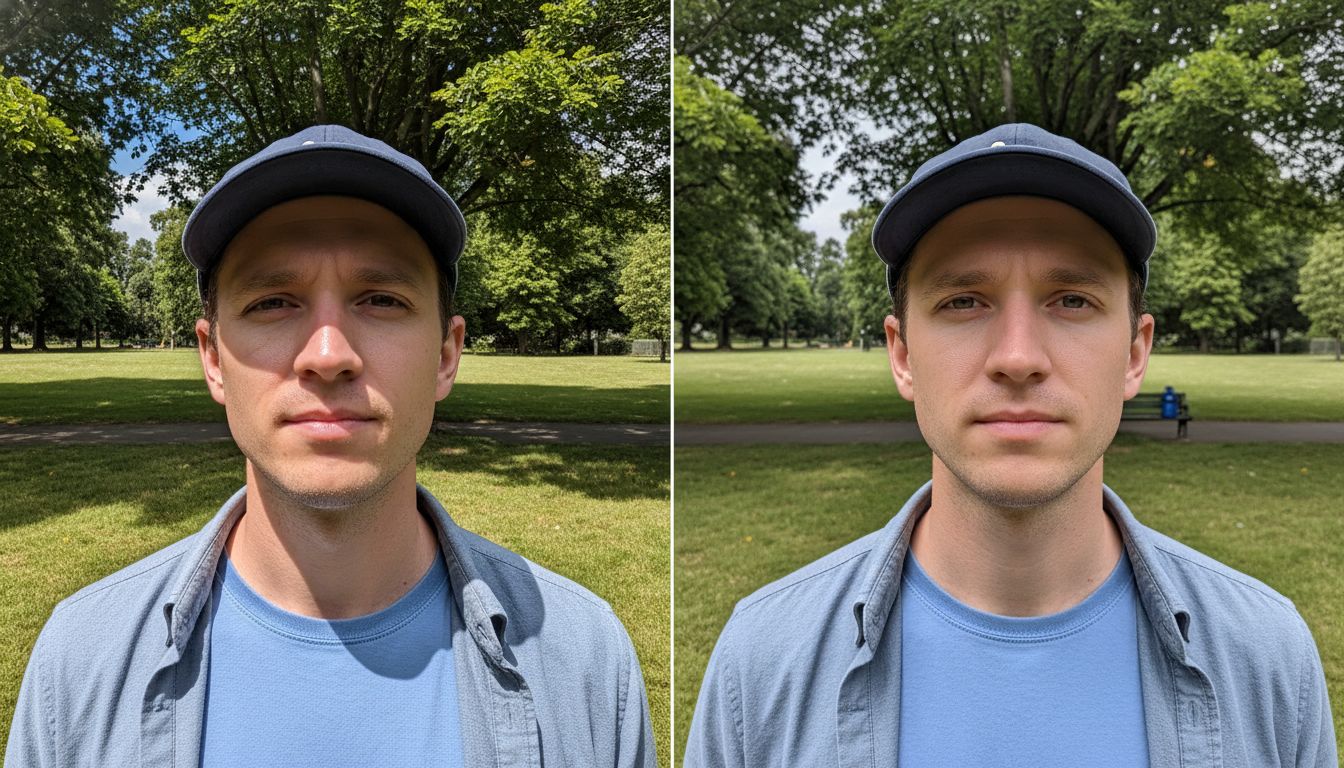
Two primary categories dominate photographic lighting: hard light and soft light. Hard light creates sharp, defined shadows with high contrast, producing crisp edges and dramatic visual tension. Think direct sunlight at midday or a focused spotlight.
In contrast, soft light generates gentle, diffused shadows with smooth transitions. Imagine an overcast day or light filtered through thin curtains – these scenarios produce incredibly flattering, even illumination that minimizes harsh details.
Photographers categorize light sources across several key dimensions:
Natural Light: Sunlight, moonlight, firelight
- Daytime: Direct, bright, high contrast
- Golden Hour: Warm, soft, dramatically angled
- Twilight: Muted, ethereal, subdued tones
Artificial Light: Constant and flash sources
- Continuous lighting: Steady, predictable illumination
- Strobe/Flash: Intense, brief, controllable bursts
Light’s quality depends on critical factors like:
- Source size
- Distance from subject
- Angle of incidence
- Surrounding environment
For photographers seeking to master lighting nuances, our guide on understanding exposure offers deeper insights into manipulating light’s complex behaviors.
Mastering light isn’t just technical skill – it’s an art form that transforms ordinary scenes into extraordinary visual narratives.
How Light Affects Camera Exposure Settings
Exposure is the fundamental interaction between light and your camera’s sensor, a delicate dance that determines the brightness, detail, and overall quality of your photograph.
When light enters your camera, it triggers a complex process of capturing and recording visual information, with three primary settings working together to achieve perfect balance: aperture, shutter speed, and ISO.
Each lighting scenario demands unique exposure adjustments. Bright sunlight requires different camera settings compared to dimly lit indoor environments. In bright conditions, photographers typically use faster shutter speeds, smaller apertures, and lower ISO to prevent overexposure.
Conversely, low-light situations demand slower shutter speeds, wider apertures, and higher ISO to capture sufficient light and maintain image clarity.
The exposure triangle illustrates how these settings interrelate:
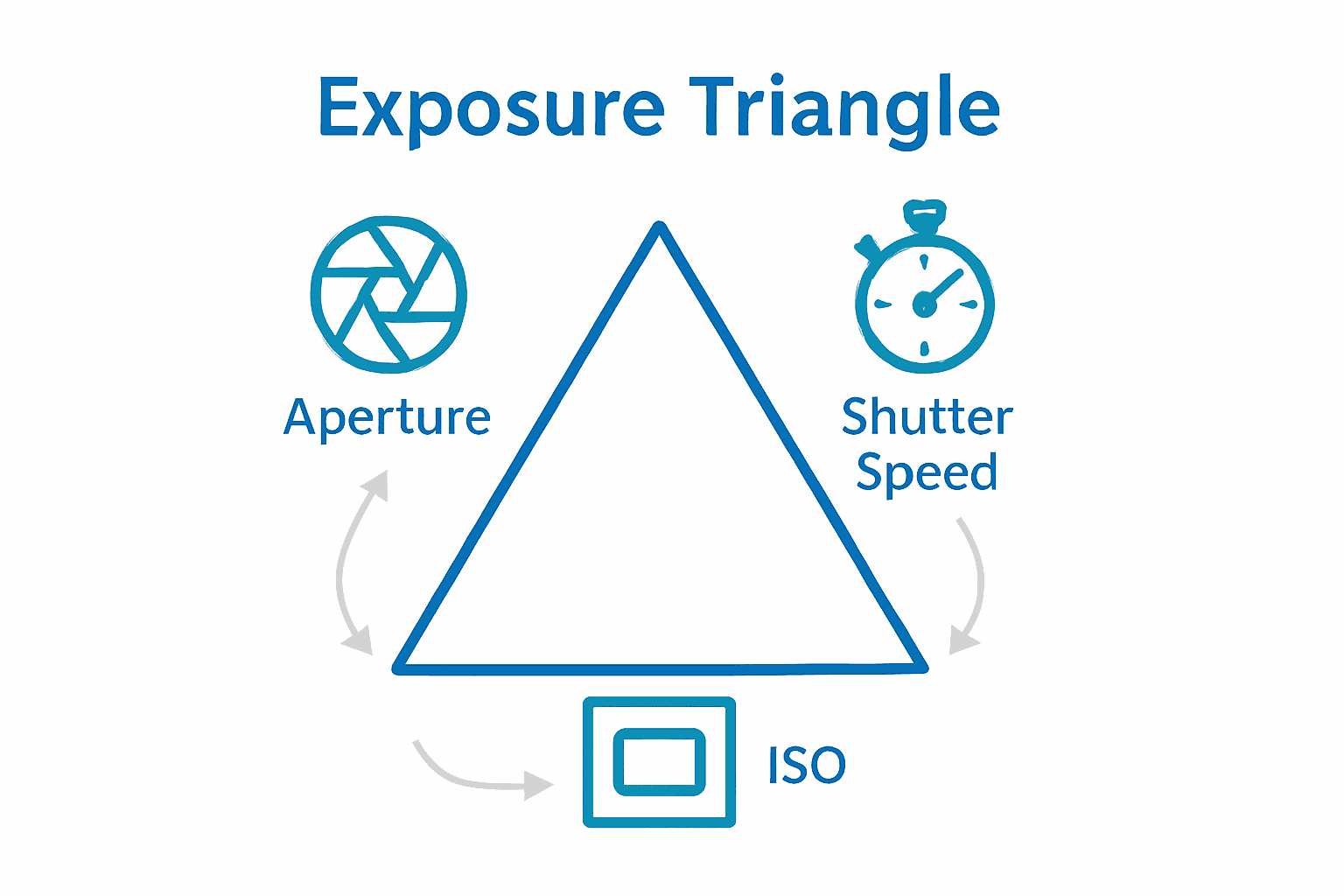
Aperture: Controls light volume and depth of field
- Wider apertures (lower f-numbers) allow more light
- Narrower apertures (higher f-numbers) reduce light entry
Shutter Speed: Determines light exposure duration
- Faster speeds freeze motion, reduce light
- Slower speeds create motion blur, increase light
ISO: Adjusts sensor’s light sensitivity
- Lower ISO produces cleaner images
- Higher ISO increases noise but enables shooting in darker conditions
Understanding these relationships is crucial for photographers. For a comprehensive breakdown of these technical nuances, explore our guide on exposure in photography, which provides in-depth insights into mastering light manipulation.
Ultimately, successful photography is about interpreting light’s language – reading its subtle variations and responding with precise technical adjustments that transform ordinary scenes into extraordinary visual narratives.
Practical Lighting Techniques for Better Photos
Lighting techniques transform ordinary photographs into extraordinary visual stories. Professional photographers don’t just capture moments – they sculpt light, using strategic approaches that elevate image quality and emotional impact.
Understanding these techniques allows you to manipulate light intentionally, creating images that resonate with viewers on a deeper level.
One of the most powerful strategies is three-point lighting, a classic technique used by professionals across various photography genres. This method involves positioning three distinct light sources – the key light, fill light, and back light – to create depth, dimension, and visual interest.
The key light serves as the primary illumination source, typically positioned at a 45-degree angle to the subject. The fill light reduces harsh shadows, while the back light separates the subject from the background, adding depth and visual separation.
Portrait photographers often employ specialized lighting techniques to create compelling images:
Rembrandt Lighting
- Creates a distinctive triangle of light on the subject’s cheek
- Produces dramatic, high-contrast portraits
- Typically uses a single light source at a 45-degree angle
Butterfly Lighting
- Positions light directly in front of and above the subject
- Creates symmetrical shadows beneath the nose
- Ideal for glamour and beauty photography
Split Lighting
- Illuminates only one side of the subject’s face
- Creates intense, dramatic visual effect
- Perfect for creating mood and mystery
For photographers looking to master low-light challenges, our guide on taking better photos in low light conditions offers additional insights into navigating tricky lighting scenarios.
Remember, great lighting isn’t about expensive equipment – it’s about understanding how light behaves and using creativity to transform ordinary scenes into extraordinary visual narratives.
Common Mistakes When Using Light in Photography
Lighting mistakes can transform potentially great photographs into disappointingly average images. Many photographers, especially beginners, unknowingly sabotage their shots by misunderstanding how light interacts with their camera and subject.
These errors range from technical miscalculations to creative misjudgments that can dramatically impact image quality and emotional resonance.
One of the most frequent lighting pitfalls is improper backlighting, where the primary light source appears behind the subject. This technique often results in silhouetted or dramatically underexposed subjects, washing out critical details.
Photographers typically encounter this when shooting against bright backgrounds like sunsets or windows, where the camera’s light meter becomes confused and fails to balance exposure correctly.
Common lighting mistakes include:
Harsh Midday Sunlight
- Creates unflattering, high-contrast shadows
- Produces squinting and harsh facial highlights
- Eliminates subtle texture and depth
Incorrect White Balance
- Results in unnatural color temperatures
- Makes images appear too cool or warm
- Destroys the scene’s authentic visual mood
Uncontrolled Shadow Management
- Produces distracting, harsh shadow lines
- Eliminates subject definition
- Reduces image’s visual depth and dimension
To help photographers navigate these challenges, our guide on common photography mistakes provides comprehensive strategies for overcoming technical and creative obstacles.
Mastering light isn’t about eliminating mistakes entirely – it’s about understanding how these errors occur and developing the skills to transform potential failures into creative opportunities.
Master Light Like a Pro to Transform Your Photos
Are you struggling to control lighting and exposure in your photography? The “Role of Light in Photography: Complete Guide” breaks down essential concepts like hard versus soft light, the exposure triangle, and practical lighting techniques.
But understanding these ideas is only the first step. To truly elevate your images you need actionable advice and trusted tips geared to amateur photographers just like you.

Explore a wealth of practical tutorials and expert insights at Amateur Photographer Guide. From mastering exposure to solving common lighting mistakes, our guides help you build confidence and improve your skills fast.
Start with our understanding exposure guide and learn how to capture light the right way every time. Take control of your camera settings and techniques now to bring every photo to life. Visit Amateur Photographer Guide and make great lighting your new standard today.
Frequently Asked Questions
What is the role of light in photography?
Light is the fundamental essence of photography. It determines exposure, color, and mood, allowing photographers to create compelling visual narratives by capturing its interactions with subjects and environments.
How does hard light differ from soft light in photography?
Hard light creates sharp, defined shadows and high contrast, often used for dramatic effects. In contrast, soft light produces gentle, diffused shadows, which are flattering and ideal for even illumination, particularly in portrait photography.
What are the basic exposure settings influenced by light in photography?
The three primary exposure settings influenced by light are aperture, shutter speed, and ISO. Each setting must be adjusted based on the lighting conditions to achieve the desired brightness, detail, and overall quality of the photograph.
What are common mistakes photographers make regarding lighting?
Common mistakes include improper backlighting, exposure issues from harsh midday sunlight, incorrect white balance leading to unnatural colors, and uncontrolled shadows that distract from the subject. Understanding these pitfalls can help improve photograph quality.
Conclusion: Master the Light, Master the Craft
Mastering the role of light is what separates a beginner from a seasoned photographer. By understanding how the direction, quality, and color temperature of light affect your subject, you gain total control over your final image.
While high-end gear is great, a photographer who understands light can take a world-class photo with a smartphone, while someone who doesn’t will struggle with the most expensive kit.
As you head out for your next shoot, keep these principles in mind:
- Observe: Look for shadows and highlights before framing.
- Adjust: Move yourself or your subject to find the best angle.
- Experiment: Use light to create contrast and focus.
Keep practicing, stay curious, and let the light guide your lens!
Recommended
- Low Light Photography: Everything You Need to Know – Amateur Photographer Guide
- 7 Essential Steps for Your Photography Basics Checklist – Amateur Photographer Guide
- 7 Essential Photography Beginner Tips for New Photographers – Amateur Photographer Guide
- Understanding Exposure: How to Get the Perfect Shot – Amateur Photographer Guide
Last update on 2026-04-21 / Affiliate links / Images from Amazon Product Advertising API