7 Best Beginner Cameras 2026 for Easy Creative Photography
Discover the 7 best beginner cameras 2025, with practical tips to help new photographers pick affordable, user-friendly models and start shooting with confidence.

Picking your first camera can feel overwhelming when you see endless choices and complex features. You want equipment that helps you grow as a photographer without leaving you confused or frustrated by technical details.
What’s in this guide
- Quick Summary
- 1. Choose the Right Sensor Size for Better Photos
- 2. Look for Simple Menus and Intuitive Controls
- 3. Prioritize Autofocus and Easy Shooting Modes
- 4. Check Battery Life and Portability for Everyday Use
- 5. Compare Connectivity Options for Quick Sharing
- 6. Select Lenses That Grow With Your Skills
- 7. Consider Budget and Value for First-Time Buyers
- Find the Perfect Beginner Camera and Boost Your Photography Skills Today
- Frequently Asked Questions
- Recommended
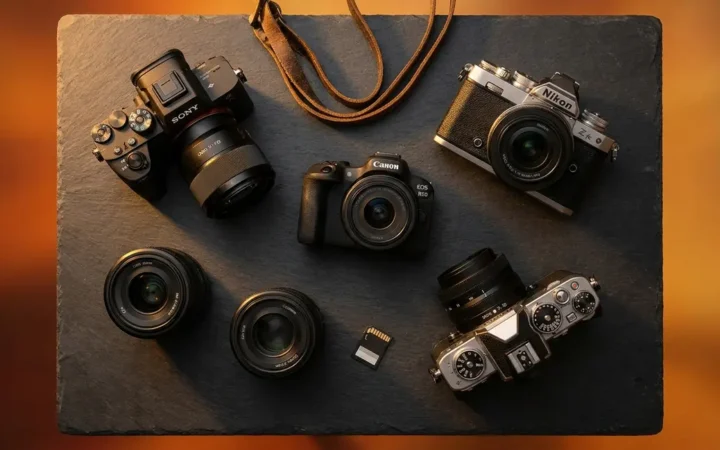
This guide breaks down exactly what matters when buying beginner cameras, so you can focus on enjoying photography from the start. You’ll discover insights on sensor size, user-friendly controls, and features that really make a difference—without needing expert knowledge or a big budget.
Get ready to learn which camera options bring simplicity, quality, and real creative potential to your photography journey. The following tips will give you confidence and clarity as you choose the right camera for your goals.


Duluvulu 4K Digital Camera for Photography Autofocus, 2026 Latest 48MP Vlogging Camera for YouTube with SD Card, 2 Batteries, 3″ 180°Flip Screen Compact Travel Camera for Teens with 16X Zoom,Black


Canon EOS Rebel T7 DSLR Camera EF-S 18-55mm f/3.5-5.6 is II Lens Kit, 24.1 Megapixel CMOS (APS-C) Sensor, Full HD Videos, Built-in Wi-Fi, Beginner Photographers, Digital Camera, Black

4K Digital Camera for Photography Travel, 56MP Autofocus Vlogging Camera for YouTube, 16X Zoom with 3″ 180°Flip Screen & Lens Hood, 32GB Card, Gift Ideas for Teens & Beginners
Quick Summary
| Key Insight | Explanation |
|---|---|
| 1. Choose the right sensor size | Selecting an appropriate sensor size impacts image quality significantly, with larger sensors capturing more light and detail. |
| 2. Prioritize user-friendly controls | Intuitive menus and simple controls enhance the user experience for beginners, making photography more enjoyable. |
| 3. Focus on autofocus capabilities | Cameras with effective autofocus systems aid in capturing sharp images, essential for beginners learning to shoot. |
| 4. Consider portability and battery life | Lightweight cameras with long battery life encourage spontaneous shooting, ensuring you don’t miss important moments. |
| 5. Research budget-friendly options | Finding entry-level cameras with excellent features helps you maximize value without overspending on unnecessary extras. |
1. Choose the Right Sensor Size for Better Photos
Understanding sensor size is crucial when selecting your first camera. The size of your camera’s image sensor dramatically impacts image quality, depth of field, and overall photographic performance.
Digital cameras come with different sensor sizes ranging from tiny smartphone sensors to large full frame sensors. Sensor dimensions directly influence how much light your camera can capture, which translates into sharper, clearer images with richer details. A sensor size guide can help you understand these technical nuances.
For beginner photographers, APS-C sensors offer an excellent balance between performance and affordability. These sensors typically measure around 24mm x 16mm and provide significant improvements over point and shoot cameras while remaining budget friendly. They work beautifully for landscape, portrait, and street photography, giving you professional looking results without requiring professional level investments.
Larger sensors like full frame (approximately 36mm x 24mm) capture more light and detail, producing exceptional image quality with superior low light performance. However, they also come with higher price tags and require more advanced technical skills to maximize their potential.
Pro tip: When choosing your first camera, prioritize sensor size over megapixel count since a larger sensor will consistently deliver better image quality than a smaller sensor with more megapixels.
2. Look for Simple Menus and Intuitive Controls
Photography should be fun, not frustrating. When choosing your first camera, user friendly controls and straightforward menus can make the difference between enjoying your new hobby and feeling overwhelmed.
Modern digital cameras are designed with beginners in mind, offering logical menu layouts that help you quickly access critical settings. The best beginner cameras feature clear icons, simple navigation, and camera buying guides that walk you through initial setup.
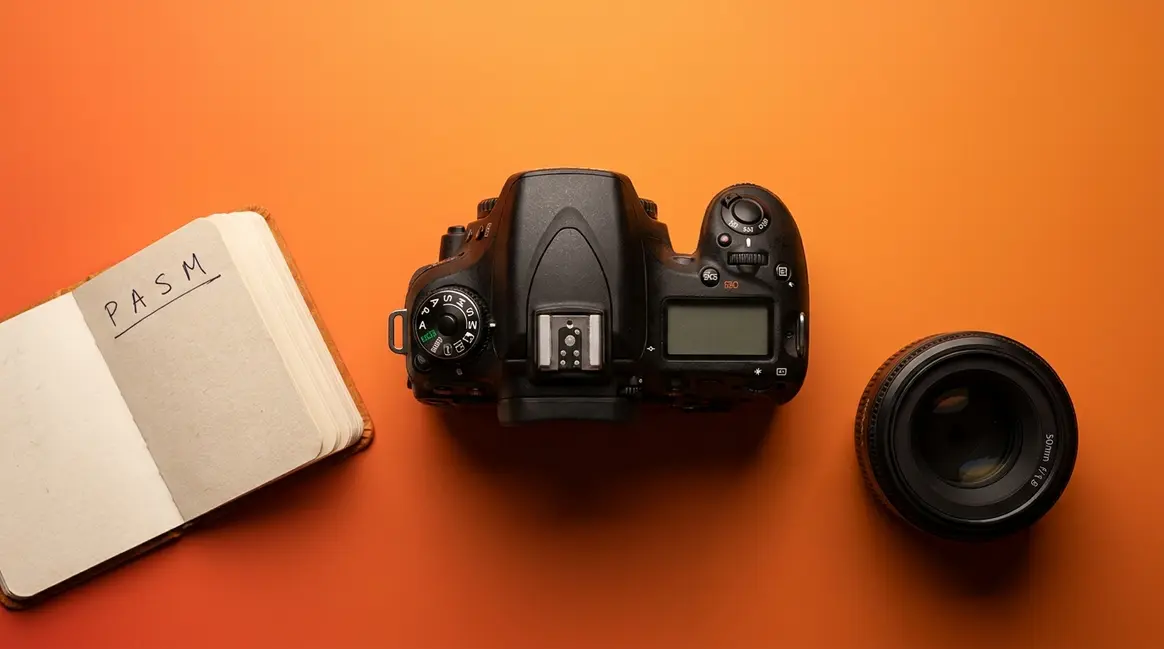
Look for cameras with dedicated buttons for essential functions like ISO, shutter speed, and exposure compensation. These physical controls allow faster adjustments compared to digging through complex digital menus. Some cameras even include helpful on screen guides that explain what each setting does in plain language.
Auto mode features are particularly important for new photographers. These intelligent settings can automatically adjust exposure, focus, and white balance, allowing you to concentrate on composition and creativity while learning your camera’s capabilities.
Pro tip: Before purchasing, visit a camera store and physically handle different cameras to test their menu systems and button layouts personal comfort matters more than technical specifications.
3. Prioritize Autofocus and Easy Shooting Modes
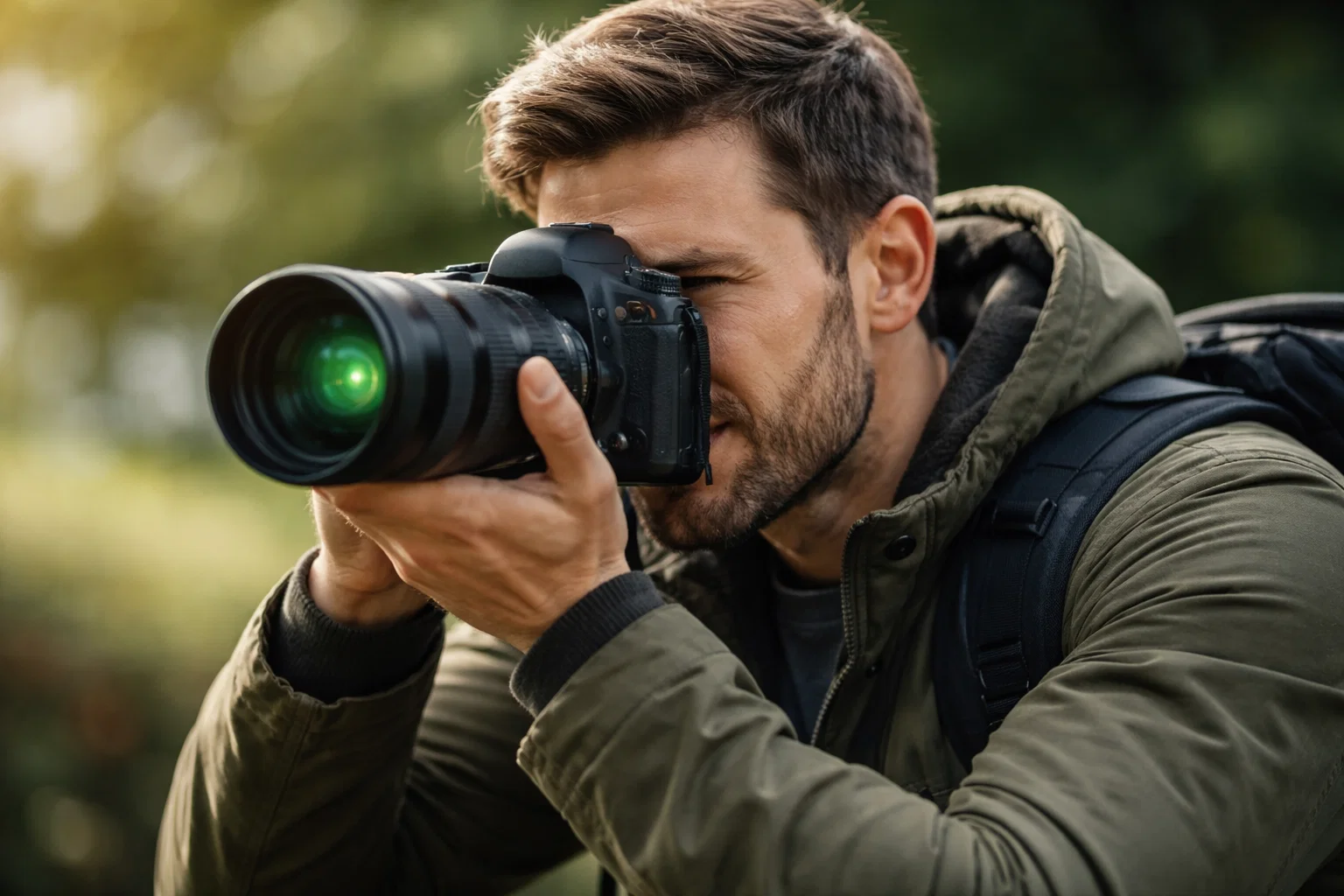
Capturing sharp, well-focused images can be challenging for beginners. The right combination of autofocus capabilities and intuitive shooting modes can transform your photography experience from frustrating to fantastic.
Modern cameras offer sophisticated autofocus systems that can track moving subjects with incredible precision. How autofocus works involves complex sensor technology that rapidly measures distance and adjusts lens elements to ensure crisp, clear images.
For new photographers, look for cameras with multiple autofocus modes that adapt to different shooting scenarios. Multiple focus points allow you to capture subjects quickly whether youre shooting landscapes, portraits, or action scenes. Some cameras offer face detection and tracking features that automatically identify and maintain focus on human subjects.
Easy shooting modes like Auto, Portrait, Landscape, and Sports provide preset configurations that optimize camera settings for specific situations. These intelligent modes help beginners understand how different settings impact image quality while producing professional looking results.
Pro tip: Practice switching between different autofocus modes to understand how they perform in various lighting conditions and with different types of subjects.
4. Check Battery Life and Portability for Everyday Use
A great camera is only useful if you actually carry and use it. Battery life and portability are critical considerations that can make or break your photography experience as a beginner.
Lightweight cameras with long battery performance encourage spontaneous shooting and help you capture unexpected moments. Modern digital cameras have become increasingly compact, with many models weighing less than a pound while delivering impressive battery performance. Camera buying guides recommend looking for cameras that offer at least 300 shots per single charge.
Portability means more than just physical weight. Consider factors like compact design, included carrying case, and battery charging convenience. Some cameras now include USB charging options, allowing you to power up using standard phone chargers or portable battery packs.
When evaluating battery life, remember that actual performance varies based on usage. Video recording, frequent LCD screen use, and wireless connectivity can drain batteries faster. Look for cameras that offer easily replaceable batteries or include spare battery options in starter packages.
Pro tip: Always pack a spare battery or portable charger during photography trips to ensure you never miss an important shot due to low battery power.
5. Compare Connectivity Options for Quick Sharing
In todays digital world, the ability to instantly share your photos can make photography even more enjoyable. Wireless connectivity has transformed how beginners interact with their cameras and share their creative work.
Bluetooth and Wi-Fi capabilities are now standard features in modern cameras, enabling seamless photo transfers to smartphones, tablets, and computers. Camera modes guide recommend looking for cameras with robust wireless options that support multiple transfer methods.
When comparing connectivity, consider the specific wireless protocols supported. Some cameras offer direct smartphone app connections that allow immediate editing and sharing to social media platforms. Advanced models even provide remote camera control through smartphone apps, letting you adjust settings and trigger the shutter from a distance.
Look for cameras with near field communication (NFC) for one touch pairing and quick wireless connections. Multiple connection options like Bluetooth, Wi-Fi, and NFC provide flexibility in how you transfer and share your images across different devices and platforms.
Pro tip: Test the wireless connectivity features before purchasing by checking compatibility with your existing smartphone and preferred social media platforms.
6. Select Lenses That Grow With Your Skills
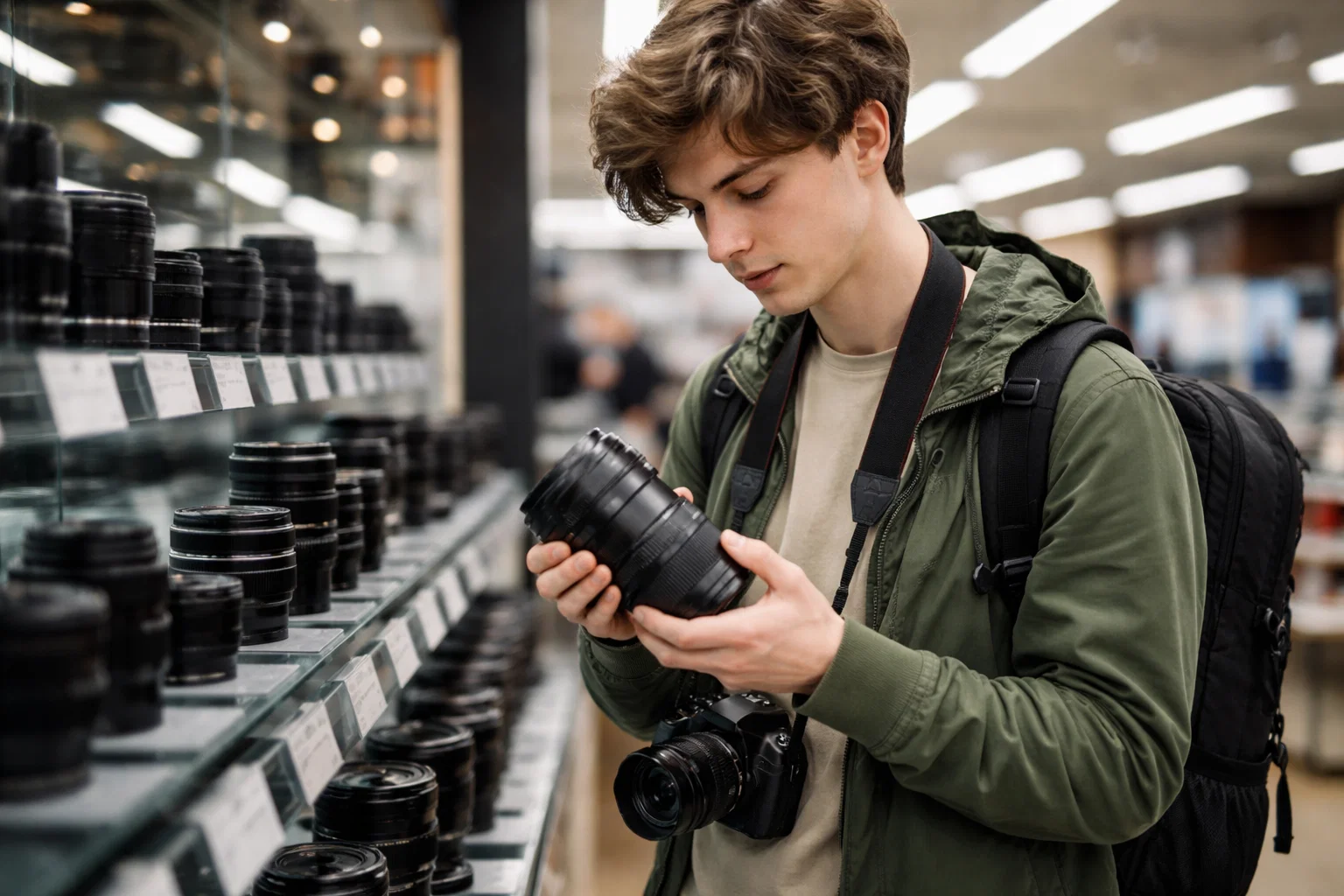
Your camera lens is like a creative partner that can dramatically transform your photography journey. Choosing lenses that offer versatility and potential for skill expansion is crucial for beginner photographers.
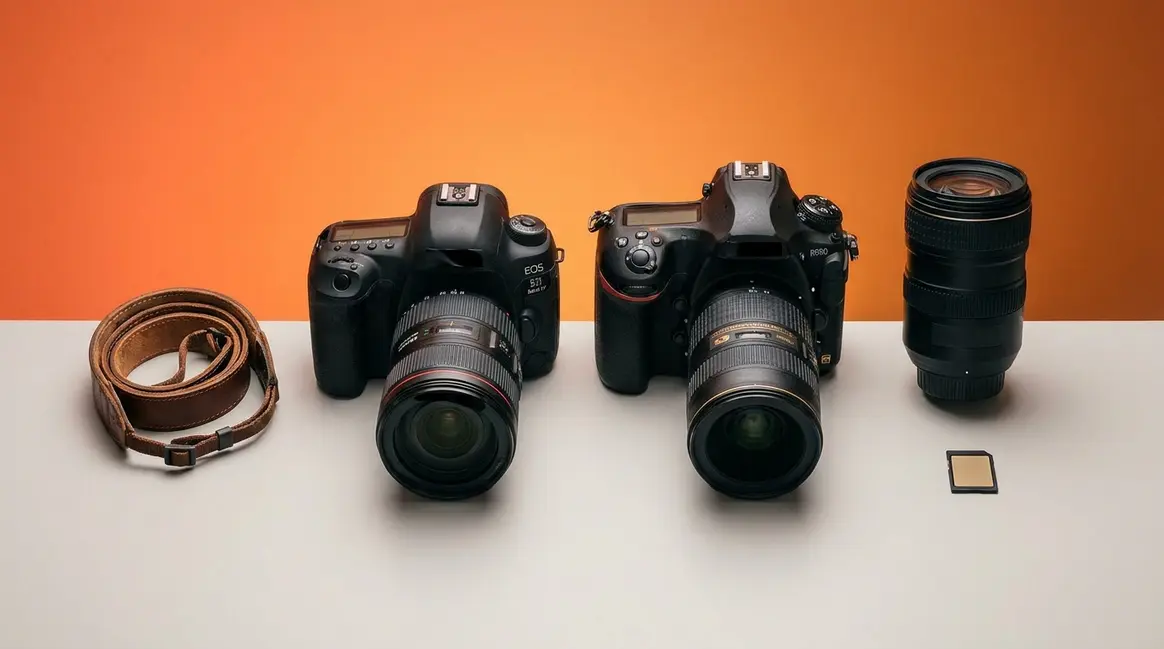
Interchangeable lenses provide incredible flexibility to explore different photographic styles. Best camera lens guide recommends starting with a standard zoom lens that covers multiple focal lengths, allowing you to experiment with wide and telephoto shots without purchasing multiple lenses.
Focus on compatibility with your camera system when selecting lenses. Some manufacturers design lens mounts that support multiple generations of cameras, enabling you to upgrade your body while keeping your lens collection. Standard focal lengths like 50mm or 35mm prime lenses offer excellent image quality and help you understand composition fundamentals.
Consider lenses with wide aperture ranges that permit low light shooting and creative depth of field effects. A lens with an aperture range like f/1.8 to f/16 provides tremendous creative potential as your skills develop, allowing you to capture everything from portraits to landscape images.
Pro tip: Research lens compatibility before purchasing and prioritize versatile lenses that can adapt to multiple shooting scenarios as your photography skills improve.
7. Consider Budget and Value for First-Time Buyers
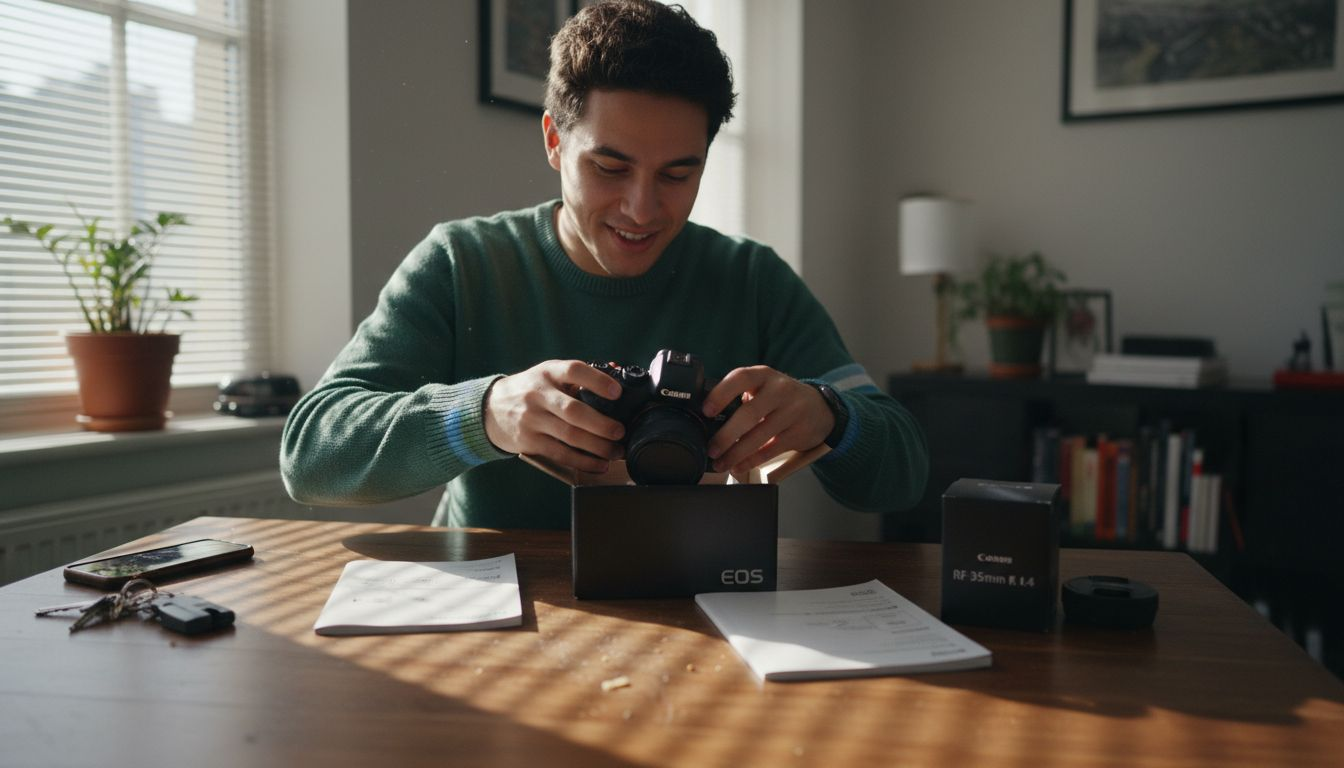
Buying your first camera doesn’t mean emptying your wallet. Smart photographers understand that value matters more than pure price tag when selecting their initial photography tool.
Entry level cameras now offer impressive features that rival more expensive models. Camera buying guide recommends focusing on core performance metrics like image quality, usability, and potential for skill development rather than getting distracted by premium features you may not need.
Consider your photography goals when evaluating budget. Cameras in the $400 to $800 range often provide exceptional value, delivering professional quality sensors, reliable autofocus, and compatibility with interchangeable lenses. Look for packages that include a versatile starter lens, which can save you money compared to purchasing optics separately.
Factor in additional costs like memory cards, extra batteries, and potential lens upgrades when planning your budget. Some manufacturers offer excellent camera systems with affordable lens ecosystems, allowing you to expand your kit incrementally as your skills improve.
Pro tip: Research manufacturer refurbished models or previous generation cameras, which can offer substantial savings while providing near identical performance to brand new releases.
Below is a comprehensive table summarizing the essential guidance provided in the article regarding choosing a camera for beginner photographers.
| Aspect | Guidance | Key Point |
|---|---|---|
| Camera Sensor Size | Opt for APS-C sensors for a balance of price and performance, or full frame for superior quality | Larger sensors typically produce better image quality and perform well in low-light conditions. |
| User-friendly Controls | Seek cameras with intuitive menus and dedicated buttons for essential settings | Simplifies photography, making it enjoyable and reducing the learning curve for beginners. |
| Autofocus and Modes | Choose cameras with advanced autofocus features and preset shooting modes for different scenarios | Enhances the ability to capture sharp images and allows experimentation with various photography styles |
| Battery Life & Portability | Prioritize lightweight cameras with excellent battery performance | Facilitates spontaneous photography without concerns about power availability. |
| Connectivity Options | Look for Wi-Fi, Bluetooth, and NFC features for seamless sharing | Enables easy transfer of images to devices and platforms, enhancing the photography experience. |
| Lens Selection | Consider cameras with interchangeable lenses and versatile focal lengths | Supports skill development and allows for creative exploration as expertise grows. |
| Budget Considerations | Evaluate entry-level cameras offering essential features without overspending | Emphasizes obtaining value through understanding personal needs over unnecessary features. |
By adhering to these key considerations, beginner photographers can make an informed decision when selecting their first camera and embark on a fulfilling photography journey.
Find the Perfect Beginner Camera and Boost Your Photography Skills Today
Choosing the right beginner camera is a challenge that every amateur photographer faces. You want a camera with the ideal sensor size, easy-to-use menus, reliable autofocus, and connectivity options that make sharing your photos simple. More importantly, you want gear that will grow with your skills without overwhelming you. At Amateur Photographer Guide, we understand these challenges and provide practical advice to help you confidently navigate your first camera purchase and develop your creative talents.

Explore our comprehensive camera buying guide and unlock clear explanations about sensor sizes, autofocus systems, and shooting modes. Learn how to choose lenses that expand your creative possibilities and how to select cameras that match your budget without sacrificing value. Visit Amateur Photographer Guide now for expert tips, tutorials, and gear recommendations designed specifically for photographers just like you. Start capturing unforgettable images with confidence today.
Frequently Asked Questions
What sensor size should I look for in a beginner camera?
To capture better photos, prioritize a larger sensor size over megapixel count. Research the advantages of APS-C sensors, which offer excellent performance and affordability for new photographers.
How can I choose a camera with user-friendly controls?
Look for cameras with clear menus and dedicated buttons for essential functions like ISO and shutter speed. Handling various models in a store can help you assess which controls feel most intuitive for your shooting style.
What autofocus features are important for beginner photographers?
Select a camera with multiple autofocus modes and points to help you capture sharp images in different scenarios. Experiment with these modes in various lighting conditions to see how they enhance your photography.
Why does battery life matter when selecting a beginner camera?
Long battery life ensures you can shoot without interruptions, especially during outings or travel. Aim for cameras that provide at least 300 shots per charge and consider bringing a spare battery for extended shoots.
What connectivity options should I consider for quick photo sharing?
Look for cameras with Bluetooth and Wi-Fi capabilities to easily transfer photos to your devices. Confirm compatibility with your smartphone to make editing and sharing a seamless process.
How do I budget effectively for my first camera purchase?
Evaluate core performance factors such as image quality and usability rather than only focusing on the price tag. Set a budget of $400 to $800 to find excellent entry-level cameras that include versatile starter lenses.
Recommended
Last update on 2026-07-21 / Affiliate links / Images from Amazon Product Advertising API

Dave King
Hi, I'm Dave, the founder of Amateur Photographer Guide. I created this site to help beginner and hobbyist photographers build their skills and grow their passion. Here, you’ll find easy-to-follow tutorials, gear recommendations, and honest advice to make photography more accessible, enjoyable, and rewarding.