Table of Contents
- Key takeaways
- Introduction to camera strap types
- Comfort and usability of different strap types
- Material and ergonomic features
- Common misconceptions about camera straps
- Decision framework for choosing the right strap
- Practical recommendations for amateur photographers
- Enhance your photography experience with expert gear guides
- Frequently asked questions
- Recommended
This blog post may contain affiliate links. As an Amazon Associate I earn from qualifying purchases.
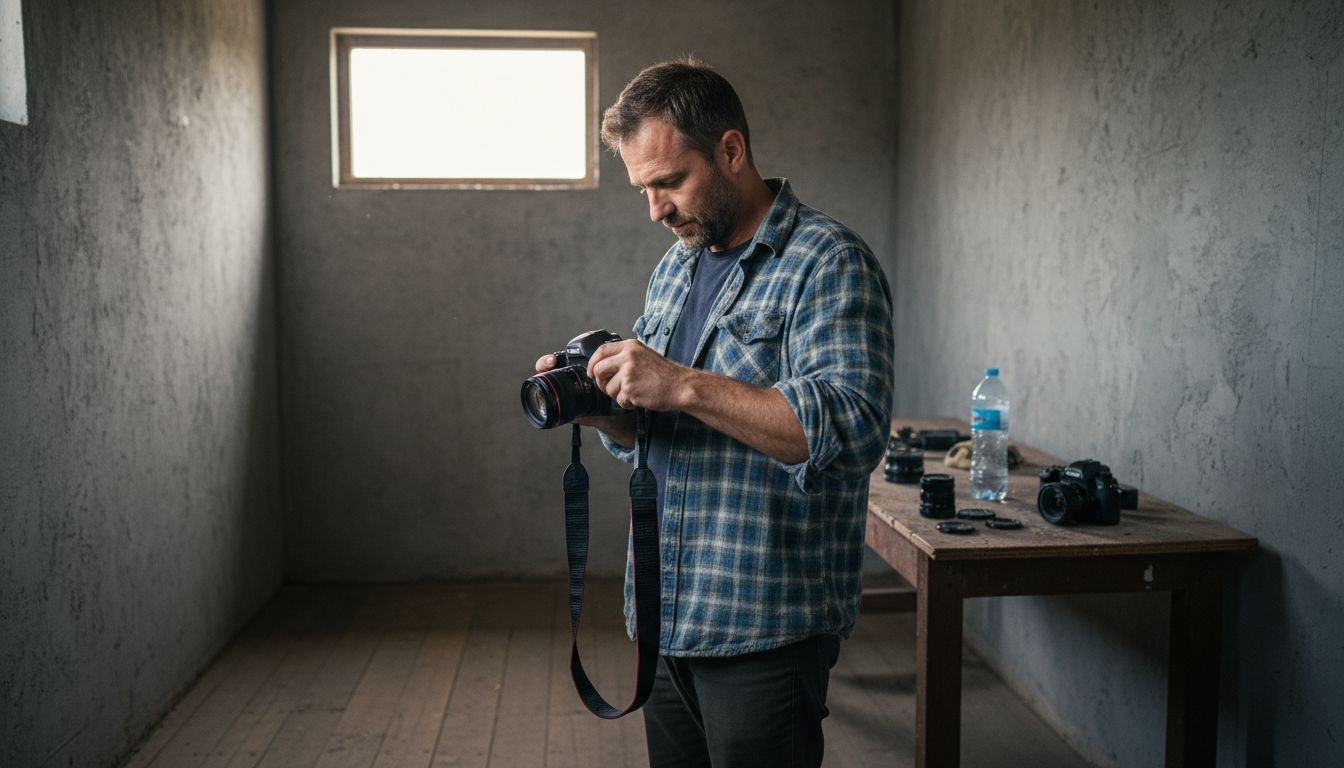
Proper camera strap selection can reduce photographer fatigue by nearly a third during extended shooting sessions. Amateur photographers often overlook how strap design affects both comfort and usability, leading to neck strain, missed shots, and equipment risks. This guide explores neck, wrist, crossbody, and harness straps, helping you match the right type to your shooting style and physical needs for safer, more enjoyable photography.



Key takeaways
| Point | Details |
|---|---|
| Strap type impacts comfort | Neck straps offer quick access but strain your neck, while crossbody and harness systems distribute weight better for longer sessions. |
| Material choice matters | Nylon breathes better than leather, while neoprene adds cushioning without excessive weight or heat retention. |
| Common myths mislead | Wider straps don’t always improve comfort and can restrict movement; wrist straps aren’t secure for heavy cameras. |
| Decision framework simplifies selection | Match strap type to shooting duration, camera weight, and environmental conditions for optimal results. |
| Maintenance extends lifespan | Regular inspection, cleaning, and proper storage prevent unexpected failures and costly equipment drops. |
Introduction to camera strap types
Understanding basic strap categories forms the foundation for making informed comfort and usability decisions. Each design serves specific photography needs and body mechanics.
Neck straps are the most common type, looping around your neck to keep the camera at chest level. They provide quick access and work well for short shooting sessions. However, prolonged use concentrates all camera weight on your neck and shoulders, causing strain during extended shoots. They’re best for lightweight mirrorless cameras or brief photography outings.
Wrist straps wrap around your wrist with a simple loop, offering minimal support. They’re compact and unobtrusive, making them ideal for point-and-shoot cameras or smartphones. Because they provide no weight distribution, wrist straps work only with light equipment. Using them with heavy DSLRs increases drop risk and wrist fatigue.
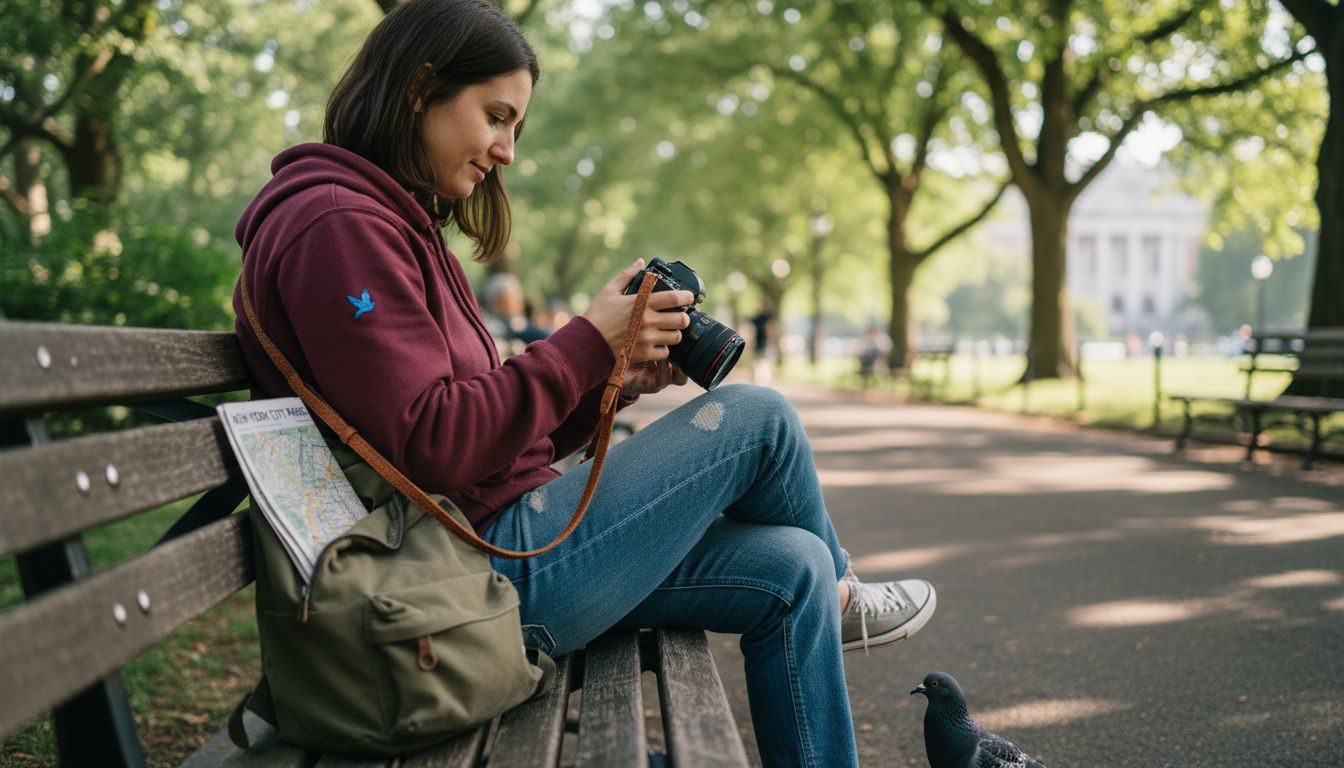
Crossbody straps run diagonally across your torso from one shoulder to the opposite hip. This design distributes camera weight across your upper body rather than concentrating it on your neck. You’ll experience less fatigue during longer sessions, and the camera rests securely at your side when not shooting. Crossbody straps excel for travel photography and all-day shoots.
Harness systems use dual straps across both shoulders, distributing weight evenly across your back and chest. They’re engineered for heavy professional gear and extended shooting sessions. Harnesses keep the camera stable and accessible while eliminating neck and shoulder strain entirely. Understanding how to put on a camera strap correctly ensures these systems work as designed.
Each strap type balances accessibility, security, and comfort differently. Your choice should reflect your camera weight, shooting duration, and physical comfort priorities.
Comfort and usability of different strap types
Strap design directly influences how your body handles camera weight throughout a shooting session. Understanding these ergonomic differences helps you avoid fatigue and maintain focus on photography.
Weight distribution varies dramatically across strap types. Neck straps concentrate force on cervical vertebrae and trapezius muscles, creating pressure points that worsen over time. Crossbody designs spread load across your shoulder, back, and hip, engaging larger muscle groups. Harness systems distribute weight most evenly, using both shoulders and your core to support heavy equipment. This distribution difference explains why crossbody straps reduce photographer fatigue significantly compared to neck straps during long shoots.
| Strap Type | Weight Distribution | Fatigue Level | Best For |
|---|---|---|---|
| Neck | Concentrated on neck/shoulders | High after 2+ hours | Lightweight cameras, short sessions |
| Wrist | Entire weight on wrist | Very high with heavy gear | Compact cameras, brief use |
| Crossbody | Diagonal across torso | Moderate | All-day shooting, travel |
| Harness | Even across shoulders/back | Low | Professional gear, extended sessions |
Strap width and padding affect pressure distribution on your body. Wider straps spread force over more surface area, reducing pressure per square inch. However, excessively wide straps can restrict shoulder movement and feel bulky. Padding adds cushioning at contact points, but too much padding increases heat retention and sweat accumulation. You need to balance width and padding with your shooting environment and session length.
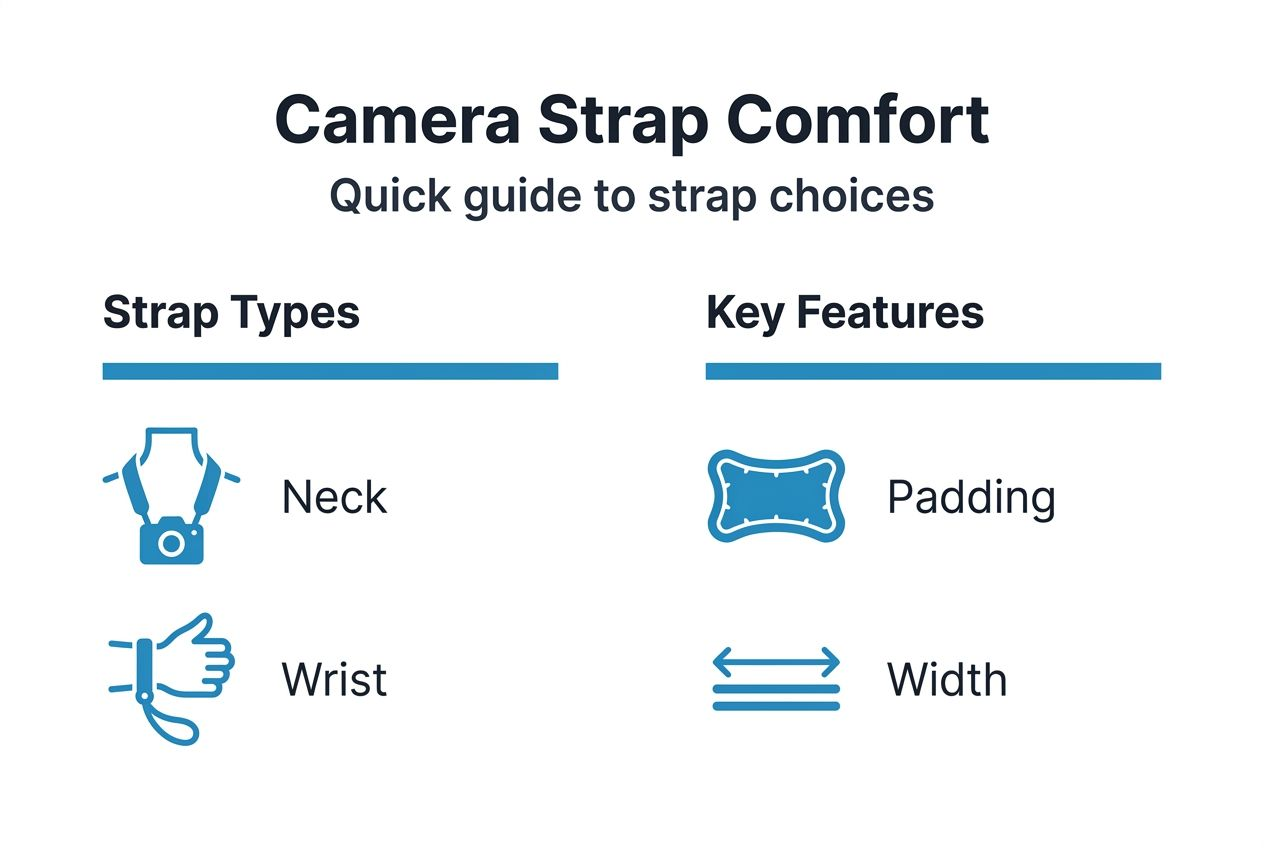
Accessibility impacts shooting speed and spontaneity. Neck straps keep cameras immediately available but can swing awkwardly when you bend or move quickly. Crossbody straps position cameras predictably at your hip, requiring a consistent reach motion. Harnesses hold cameras tight against your body, preventing bouncing but requiring deliberate release before shooting. Your photography style determines which accessibility pattern serves you best.
Pro Tip: Test strap comfort by loading your camera with all accessories you typically carry, then wearing it for 30 minutes while moving around. This reveals pressure points and adjustment needs better than static fitting. Proper camera strap fitting techniques eliminate many comfort issues before they develop.
Ergonomic considerations extend beyond weight distribution. Strap attachment points on your camera body affect how it hangs and rotates. Straps with quick-adjust sliders let you modify length rapidly for different shooting positions. Anti-slip materials prevent straps from sliding off shoulders during dynamic movement. These features transform basic straps into ergonomic tools that enhance rather than hinder your photography.
Material and ergonomic features
Strap materials determine durability, comfort, and how your body responds during use. Different materials perform distinctly in varying shooting conditions.
Nylon offers the best strength-to-weight ratio and breathability. It resists moisture, dries quickly, and maintains flexibility in cold weather. Nylon straps typically weigh less than alternatives, reducing the total load you carry. They’re machine washable and resist UV degradation, making them ideal for outdoor photography.
Neoprene provides excellent cushioning without excessive bulk. This synthetic rubber absorbs shock and conforms to your body shape, reducing pressure points. Neoprene resists water and maintains flexibility across temperature ranges. It’s heavier than nylon but lighter than leather, offering a middle-ground option.
Leather delivers classic aesthetics and exceptional durability when properly maintained. However, leather straps weigh approximately 25% more than nylon counterparts and retain 15% more heat, causing increased perspiration during warm weather. Leather stiffens when wet and requires regular conditioning to prevent cracking. Despite these drawbacks, leather develops a unique patina and can last decades with care.
| Material | Weight | Breathability | Maintenance | Best Use Case |
|---|---|---|---|---|
| Nylon | Light | Excellent | Low | Outdoor, travel, all-weather |
| Neoprene | Medium | Good | Medium | Long sessions, comfort priority |
| Leather | Heavy | Poor | High | Studio, formal events, aesthetics |
| Padded nylon | Medium | Good | Low | Heavy cameras, extended use |
Padding location and thickness affect comfort zones. Shoulder padding reduces pressure during crossbody and harness use. Neck padding helps with traditional neck straps but can feel bulky. Some manufacturers use graduated padding that thickens at high-pressure points while staying thin elsewhere, optimizing both comfort and flexibility.
Pro Tip: Match material to your dominant shooting environment. Choose nylon for outdoor and travel photography where weather varies. Select neoprene for studio or event work where comfort during long sessions matters most. Reserve leather for controlled environments where its weight and heat retention won’t cause problems.
Breathability impacts comfort during extended use, especially in warm climates. Materials that trap heat and moisture against your skin create discomfort and distraction. Mesh-lined straps improve airflow without sacrificing strength. Moisture-wicking treatments on nylon and neoprene help manage perspiration during active shooting.
Common misconceptions about camera straps
Several myths about camera straps persist among amateur photographers, leading to poor choices that compromise comfort and safety. Recognizing these misconceptions helps you make evidence-based decisions.
Wider straps don’t automatically increase comfort. While width does distribute pressure over more surface area, excessively wide straps restrict shoulder mobility and feel cumbersome. They can dig into your neck at different angles than narrower straps, creating new pressure points. Width matters most when it matches your body size and camera weight. A strap that’s too wide for your frame causes more problems than it solves.
Wrist straps provide inadequate security for heavy cameras. Many photographers assume the loop around their wrist prevents drops, but this design concentrates the entire camera weight on wrist tendons. During sudden movements or fatigue, your grip weakens and the loop can slip off. Wrist straps work only for cameras under one pound and should never support professional DSLRs or mirrorless cameras with large lenses.
Quick-release mechanisms aren’t universally safer. These systems let you detach your camera rapidly, which seems convenient. However, accidental releases occur more frequently than manufacturers acknowledge, especially with worn or improperly maintained connectors. If you use quick-release straps, inspect the mechanism before every shoot and replace worn components immediately. Never trust quick-release systems with expensive equipment until you’ve tested them thoroughly.
Expensive straps don’t guarantee better performance. Price often reflects brand prestige or aesthetic details rather than functional superiority. A well-designed $30 nylon strap typically outperforms a $150 leather strap for practical photography needs. Focus on ergonomic features and material properties rather than brand names or luxury materials.
All straps eventually wear out, regardless of quality. Even premium straps degrade from UV exposure, sweat, and mechanical stress. Regular inspection matters more than initial quality. Check stitching, attachment points, and webbing for fraying or weakness every few months, and replace straps showing wear before they fail.
Decision framework for choosing the right strap
A systematic approach to strap selection eliminates guesswork and matches equipment to your specific needs. Follow these steps to identify your ideal strap type and material.
- Assess your typical shooting duration and frequency. Sessions under two hours tolerate neck straps reasonably well. All-day shoots demand crossbody or harness systems to prevent cumulative fatigue. Consider your most common scenario, not occasional exceptions.
- Evaluate your camera and lens combination weight. Weigh your setup fully loaded with batteries and accessories. Equipment under two pounds works with any strap type. Gear between two and five pounds needs crossbody straps or padding. Professional setups over five pounds require harness systems to avoid injury.
- Match strap type to your shooting style and mobility needs. Travel photographers benefit from crossbody straps that keep cameras secure while climbing or moving through crowds. Event photographers need quick accessibility that neck straps provide. Studio photographers can use simpler wrist straps since cameras rest on tripods between shots. Selecting camera gear involves similar matching of equipment to use case.
- Consider environmental factors and personal comfort. Hot, humid conditions favor breathable nylon over heat-retaining leather. Cold weather requires flexible materials that won’t stiffen. If you perspire heavily, prioritize moisture-wicking features. Your body’s response to materials matters as much as technical specifications. Choosing your camera type follows similar personalization principles.
- Test fit and adjust before committing. Wear the loaded camera for at least 30 minutes while simulating your typical shooting movements. Bending, reaching, and walking reveal comfort issues that static fitting misses. Adjust strap length until the camera rests naturally at your preferred position without swinging excessively.
- Balance aesthetics with function, but prioritize comfort and safety. An attractive strap that causes pain or risks equipment damage serves no one well. Choose the most functional option within your aesthetic preferences rather than selecting purely on appearance.
This framework works for photographers at any experience level. By systematically evaluating each factor, you avoid impulse purchases and identify straps that genuinely improve your photography experience.
Practical recommendations for amateur photographers
Applying strap knowledge to real photography scenarios ensures you get maximum value from your selection. These targeted recommendations address common amateur photography situations.
For extended outdoor sessions like wildlife or landscape photography, use padded crossbody or harness straps made from nylon. These sessions last several hours and involve hiking or standing in varied terrain. The combination of weight distribution, breathability, and weather resistance prevents fatigue and discomfort. Bring backup attachment hardware since outdoor environments stress connection points.
Street photography demands quick accessibility and low profile. Neck straps work well here despite their ergonomic limitations because street sessions typically last under two hours and involve frequent shooting. Choose thin, dark-colored straps that don’t draw attention. Adjust length so your camera sits high on your chest, reducing swing and enabling faster lens-to-eye transitions.
Travel photography requires versatility across changing conditions. Crossbody straps excel because they secure cameras during movement while distributing weight for all-day wear. Select quick-drying nylon materials that handle unexpected weather. Pack a backup wrist strap for situations where you need minimal bulk. Understanding travel photography tips helps you prepare comprehensively for these varied shooting conditions.
Maintenance extends strap lifespan and prevents failures. Inspect stitching monthly for fraying or loose threads. Clean straps according to material specifications after exposure to saltwater, chlorine, or excessive dirt. Store straps loosely coiled rather than tightly wound to prevent permanent creasing. Replace straps immediately if you notice weakened attachment points or material degradation.
Pro Tip: Keep a dedicated lightweight wrist strap in your camera bag for quick grab-and-shoot moments when you don’t want to wear your primary strap. This gives you flexibility without carrying multiple cameras.
Safety practices prevent costly accidents. Never trust a single attachment point, inspect connections before each shoot, and use safety tethers with quick-release systems. Avoid wrapping straps around your hand while shooting, as this can cause drops if you trip or stumble. When changing lenses outdoors, secure the strap around your neck or shoulder rather than setting the camera down.
For action cameras and specialty equipment, standard straps often don’t fit. Check guides for best action cameras for photography to identify mounting options. When using tethered shooting setups, remove neck straps entirely to prevent cable tangles.
Adjust strap length seasonally. Winter clothing adds bulk that requires longer straps. Summer shooting with minimal layers needs shorter adjustments to prevent excessive swinging. Taking two minutes to optimize fit before each season prevents nagging discomfort throughout your shoots.
Enhance your photography experience with expert gear guides
Choosing the right camera strap represents just one piece of building an effective photography toolkit. Amateur Photographer Guide offers comprehensive resources to help you make informed decisions about every aspect of your photography journey.
Our beginner’s photography guide walks you through the most common camera mistakes and provides actionable solutions to fix them immediately. You’ll learn fundamental techniques that transform snapshots into compelling images, with step-by-step instructions designed specifically for hobbyists and enthusiasts.
Developing strong photography habits for beginners accelerates your skill development and helps you avoid the plateaus that frustrate many amateur photographers. This essential guide covers practice routines, composition exercises, and mindset shifts that separate improving photographers from those who stay stuck.
Whether you’re planning your next adventure or refining your daily shooting practice, our travel photography tips provide practical advice for capturing memorable images in challenging conditions. Explore our full range of tutorials, gear reviews, and technique guides to continue building your photography expertise with confidence.
Frequently asked questions
What are the safest camera strap types for heavier DSLRs?
Harness systems provide the safest support for cameras over five pounds because they distribute weight across both shoulders and use redundant attachment points. Dual-shoulder designs eliminate single points of failure that can cause catastrophic drops. Look for harnesses with metal connectors rather than plastic clips, and inspect all attachment hardware before each shooting session.
How do crossbody straps balance comfort and security?
Crossbody straps run diagonally across your torso, distributing camera weight along your shoulder, back, and hip rather than concentrating it on your neck. This diagonal orientation keeps the camera secure against your side while you move, preventing the swinging that occurs with neck straps. They provide an ideal middle ground between the quick access of neck straps and the superior weight distribution of harness systems.
What maintenance practices extend camera strap lifespan?
Inspect stitching and connection points monthly for signs of wear or fraying. Clean straps according to manufacturer specifications after exposure to salt, chlorine, or heavy dirt accumulation. Store straps loosely coiled in dry locations away from direct sunlight, which degrades synthetic materials over time. Replace straps immediately when you notice any weakening at attachment points or visible material degradation.
How should I adjust straps for optimal comfort and usability?
Wear your fully loaded camera for 30 minutes while walking, bending, and simulating your typical shooting movements to identify pressure points before adjusting. The camera should rest at a consistent position without excessive swinging or bouncing. Adjust length so you can bring the camera to eye level smoothly without fighting strap tension. Reassess fit seasonally as clothing layers change and after adding or removing camera accessories that alter weight distribution.
Are wrist straps suitable for heavy camera equipment?
Wrist straps work only for cameras under one pound and should never support heavy DSLRs or mirrorless bodies with large lenses. The design concentrates the entire equipment weight on wrist tendons and provides no weight distribution across larger muscle groups. Using wrist straps with heavy gear dramatically increases drop risk and can cause repetitive strain injuries. Reserve wrist straps exclusively for compact cameras during brief shooting sessions.
Can strap material choice affect shooting performance in different weather?
Yes, material directly impacts comfort and usability across weather conditions. Nylon maintains flexibility in cold weather and dries quickly when wet, making it ideal for unpredictable outdoor conditions. Leather stiffens in cold and absorbs moisture, becoming uncomfortable and heavy when wet. Neoprene provides good insulation in cool weather but can trap heat and moisture in warm, humid environments. Match material selection to your dominant shooting climate for optimal performance.
Recommended
- how to put on a camera strap – Amateur Photographer Guide
- How to Choose a Camera for Amateur Photographers Easily – Amateur Photographer Guide
- Camera Buying Guide 2025: Choose Your Perfect Camera Fast – Amateur Photographer Guide
- How to Select Camera Gear for Stunning Photos – Amateur Photographer Guide
Last update on 2026-07-06 / Affiliate links / Images from Amazon Product Advertising API