

Table of Contents
- Quick Summary
- Step 1: Identify sources to spark photo inspiration
- Step 2: Organize tools and select shooting locations
- Step 3: Capture images guided by your creative moodboard
- Step 4: Edit photos to enhance your original vision
- Step 5: Review results to ensure inspiration-driven quality
- Unlock Your Creative Potential with Expert Photography Guidance
- Frequently Asked Questions
- Recommended
This blog post may contain affiliate links. As an Amazon Associate I earn from qualifying purchases.
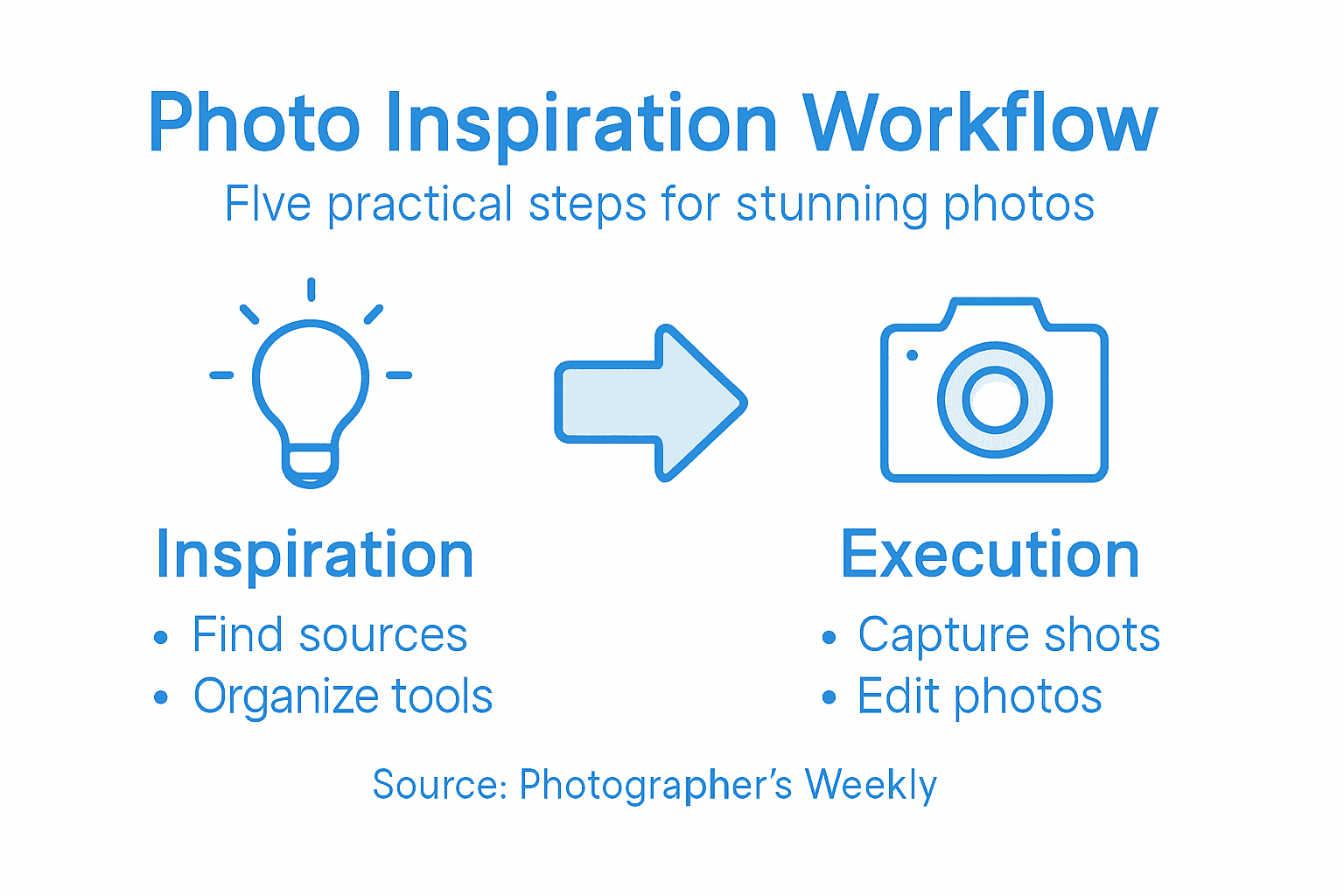
Finding fresh photo inspiration can stall even the most passionate American or European amateur photographers. Studies show that over 60 percent of beginner photographers feel creatively stuck when planning new shoots. Seeking new ways to stimulate your imagination is key to capturing images that stand out. This guide reveals practical strategies any American enthusiast can use to find creative sparks, organize their tools, and shape a smoother editing routine. This will tell you all you need to know to help you master photo inspiration workflow!
Quick Summary
| Key Point | Explanation |
|---|---|
| 1. Utilize diverse inspiration sources | Explore art galleries, nature, and urban environments to stimulate creativity and expand your photographic perspective. |
| 2. Organize equipment and scout locations | Prepare a gear checklist and use digital tools for identifying suitable shooting sites to ensure a successful photoshoot. |
| 3. Reference your moodboard during shoots | Use your moodboard to maintain creative consistency, guiding your photography with clear emotional and visual goals. |
| 4. Edit photos for cohesive storytelling | Refine your images by adjusting exposure and color to align with your original vision, enhancing their emotional impact. |
| 5. Review images critically for quality | Evaluate photos based on emotional resonance, technical quality, and narrative coherence to ensure they reflect your creative intent. |
Step 1: Identify sources to spark photo inspiration
Discovering unique sources of visual inspiration is a critical skill for photographers looking to elevate their creative approach. Effective photo inspiration comes from understanding diverse sources that stimulate your artistic imagination and push your visual boundaries.
Photographers can tap into multiple channels for sparking creativity. Photography inspiration sources for beginners often include art galleries, nature walks, street scenes, digital platforms, and personal experiences. Museums and art exhibitions provide rich visual landscapes that can trigger unique photographic perspectives. Urban environments offer dynamic street scenes with unexpected compositions and human interactions. Natural settings like forests, coastlines, and mountains present textures, colors, and patterns that can inspire innovative visual storytelling.
Online resources have dramatically expanded photographers’ inspiration avenues. Social media platforms like Instagram, photography forums, and curated websites showcase global perspectives and emerging visual styles. Websites dedicated to art, design, and photography present carefully selected visual content that can spark new creative approaches. Books featuring photography collections also serve as powerful inspiration sources, offering insights into different techniques, cultural perspectives, and artistic philosophies.
Here’s a comparison of common photography inspiration sources and their key benefits:
| Inspiration Source | Unique Benefit | Ideal For |
|---|---|---|
| Art galleries | Insight into composition styles | Developing creativity |
| Nature walks | Access to organic textures | Landscape shots |
| Street scenes | Candid human interactions | Storytelling images |
| Photography books | Learn diverse techniques | Honing visual style |
| Social media | Exposure to global trends | Finding new ideas |
Pro tip: Keep a digital or physical inspiration journal where you collect images, sketches, and visual ideas that intrigue you, creating a personal reference library for creative exploration.
Step 2: Organize tools and select shooting locations
Successful photography requires strategic preparation of equipment and thoughtful location selection. This step transforms your creative vision into a practical shooting plan that maximizes your photographic potential.
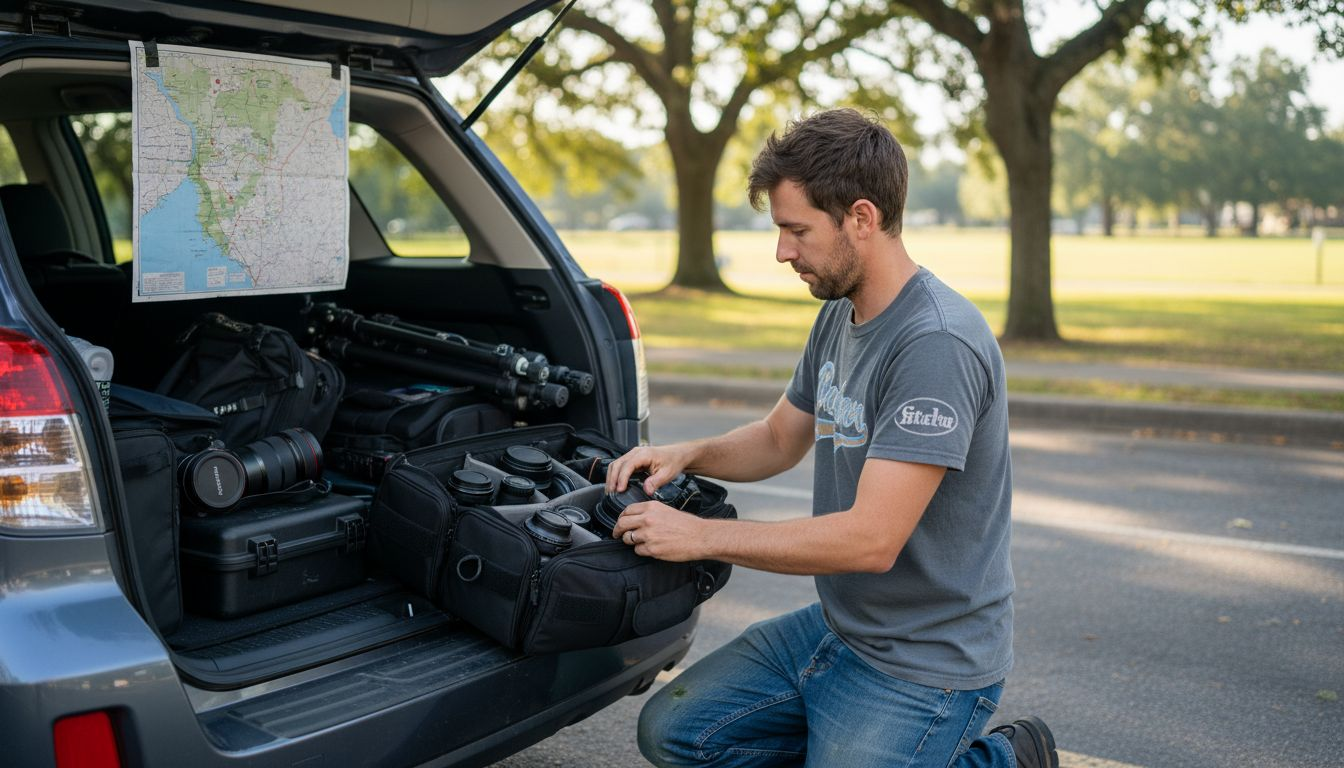
Planning ahead is key to a great photo shoot, and organizing your tools systematically forms the foundation of this preparation. Start by creating a comprehensive gear checklist that includes primary and backup equipment. Your core kit should include your camera body, multiple lenses appropriate for your intended shots, extra batteries, memory cards, tripod, and lens cleaning supplies. Consider the specific requirements of your planned location and shoot style when selecting equipment.
Location scouting represents another critical aspect of photographic preparation. Digital tools like Google Maps, photography location apps, and social media platforms can help you discover and assess potential shooting sites. Research the lighting conditions, accessibility, and potential challenges of each location. Consider factors such as time of day, weather patterns, permissions required, and potential safety concerns. If possible, visit locations in advance to understand the terrain, identify optimal shooting angles, and anticipate potential technical or logistical challenges.
Pro tip: Create a portable gear organization system using labeled padded cases or modular bags that protect your equipment and allow quick access during shoots.
Step 3: Capture images guided by your creative moodboard
Transforming your creative vision into tangible photographs requires a strategic approach that connects your initial inspiration with actual image capture. Your moodboard serves as a critical visual roadmap that guides your photographic journey and maintains creative consistency.
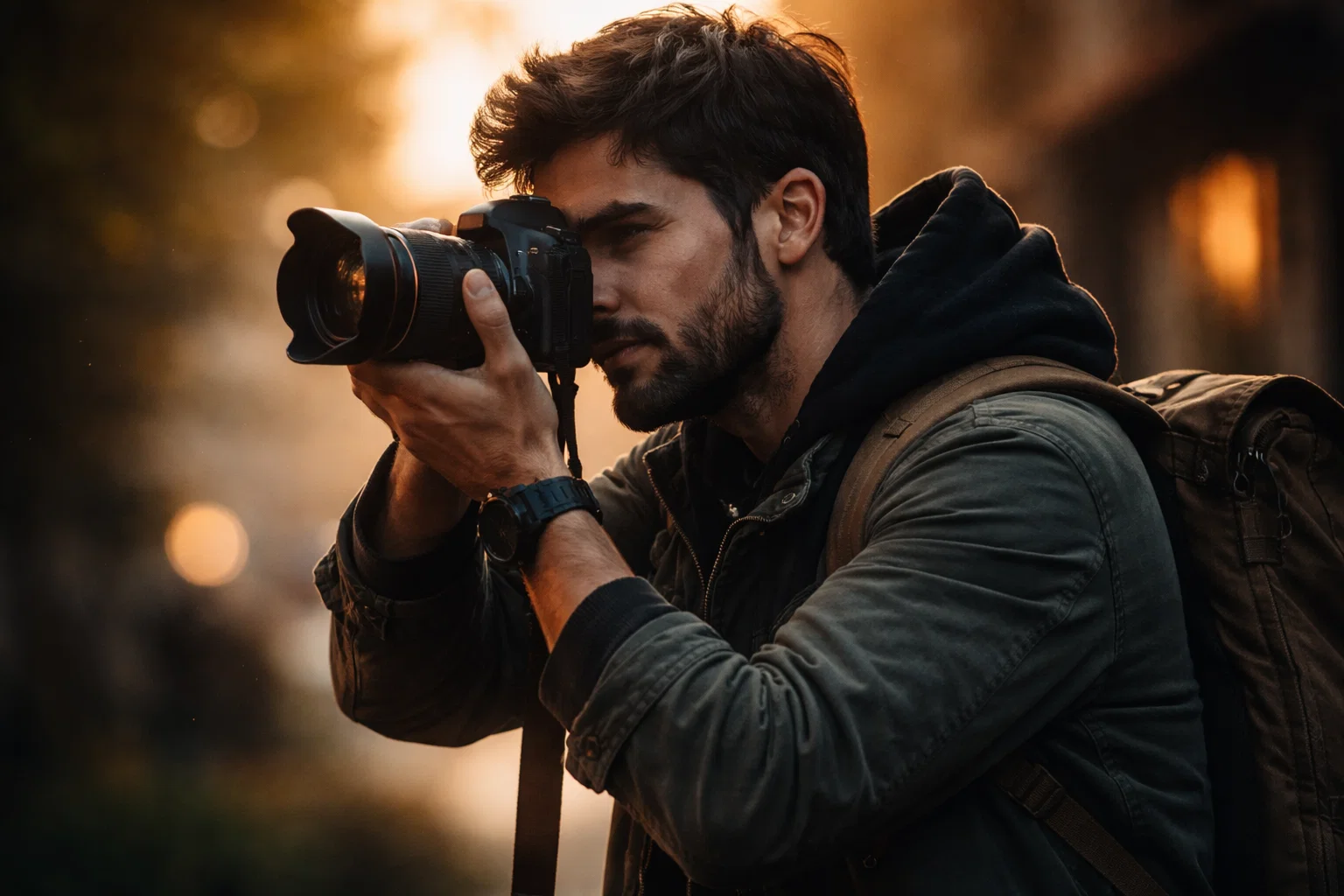
Creative photography examples demonstrate how a well constructed moodboard can translate abstract concepts into concrete visual narratives. When capturing images, carefully reference your moodboard to ensure each shot aligns with the emotional tone, color palette, lighting style, and compositional elements you initially envisioned. Break down your moodboard into specific visual components like color schemes, texture references, emotional qualities, and framing techniques. During your shoot, periodically cross reference your actual images against the moodboard to verify you are maintaining your original creative intent.
Successful image capture involves both technical precision and creative interpretation. Use your moodboard as a flexible guide rather than a rigid template, allowing room for spontaneous creative discoveries that might emerge during the shooting process. Pay attention to how lighting, angles, and unexpected environmental elements can enhance or complement your original vision. Document your creative process by taking notes about how you adapted your initial concept during the actual shoot, which can provide valuable insights for future projects.
Pro tip: Create a digital version of your moodboard on your smartphone for easy reference during shooting, enabling quick visual comparisons and maintaining creative alignment.
Step 4: Edit photos to enhance your original vision
Photo editing transforms raw captures into polished visual narratives that fully express your creative intent. This crucial stage bridges the gap between what your camera records and the emotional story you want to communicate.
Essential photo editing tips provide a strategic approach to refining your images while preserving their authentic character. Begin by organizing your images and selecting the strongest compositions. Adjust exposure, contrast, and color balance to align with the emotional tone established in your original moodboard. Use selective editing techniques to draw attention to key elements, ensuring that each adjustment supports your initial creative vision. Pay close attention to subtle modifications that enhance depth, texture, and mood without overprocessing the image.
Successful photo editing requires both technical skill and artistic sensitivity. Develop a consistent editing style that becomes your signature approach, but remain flexible enough to adapt to each image unique requirements. Experiment with different editing techniques, comparing results against your original creative concept. Consider creating preset adjustments that capture your distinctive aesthetic while allowing room for nuanced modifications. Critically evaluate each edit by periodically stepping back and assessing whether the changes truly amplify the emotional impact and visual narrative of your original photograph.
Pro tip: Create a personal editing preset library that captures your unique style while maintaining the flexibility to make individual image adjustments.
Step 5: Review results to ensure inspiration-driven quality
Final image review represents the critical checkpoint where your creative vision transforms into a tangible visual narrative. This stage validates that your photographic journey has successfully translated your initial inspiration into a compelling final product.
Photography workflow guides recommend a systematic approach to reviewing your images that goes beyond technical perfection. Begin by comparing your finished photographs against your original moodboard and creative concept. Assess each image through three primary lenses: emotional resonance, technical quality, and narrative coherence. Look for images that not only meet technical standards but also capture the authentic feeling and storytelling intent you originally envisioned. Pay attention to subtle details like color harmony, lighting mood, and compositional strength that communicate your unique artistic perspective.
Review your images with both emotional intelligence and critical objectivity. Create a structured evaluation process that allows you to step back and view your work from multiple perspectives. Consider showing your images to trusted peers or mentors who can provide honest feedback aligned with your creative goals. Look for images that surprise you positively those unexpected moments where technical skill and creative intuition intersect to produce something truly memorable. Remember that the most powerful photographs often emerge from a combination of intentional preparation and spontaneous creative discovery.
Use this summary to guide your image review process:
| Review Criterion | What to Check | Why It Matters |
|---|---|---|
| Emotional resonance | Does the photo evoke feeling? | Ensures audience connection |
| Technical quality | Sharpness, exposure, color | Guarantees professional look |
| Narrative coherence | Story aligns with concept | Maintains creative integrity |
Pro tip: Develop a personal rating system that scores images based on emotional impact technical quality and alignment with your original creative vision.
Unlock Your Creative Potential with Expert Photography Guidance
Struggling to turn your photo inspiration into stunning images is a common challenge for many photographers. This article lays out essential steps from identifying unique inspiration sources to refining your photos through thoughtful editing and review. Key goals like organizing gear, building a creative moodboard, and aligning your final edits with your initial vision can feel overwhelming without clear guidance. Mastering these concepts is critical to consistently capturing images that resonate emotionally and tell compelling stories.
Ready to elevate your photography skills and bring your creative ideas to life? Explore practical tutorials and gear recommendations at Amateur Photographer Guide. Whether you are focusing on effective planning, capturing, or editing techniques, this resource hub offers step-by-step advice that helps you stay inspired and focused on your goals. Start your journey now to transform your workflow with confidence and produce images that truly stand out.
Frequently Asked Questions
How can I find unique sources of photo inspiration?
To find unique sources of photo inspiration, explore diverse channels such as art galleries, nature walks, and urban environments. Consider visiting local museums or following photographers on social media platforms to discover fresh perspectives that stimulate your creativity.
What should I include in my photography equipment checklist?
Your photography equipment checklist should include your camera body, multiple lenses, extra batteries, memory cards, a tripod, and lens cleaning supplies. Organize your gear based on the specific needs of your upcoming shoot to ensure you are well-prepared.
How can I effectively use a moodboard during my photo shoot?
To effectively use a moodboard during your photo shoot, reference it regularly to align your images with your initial creative vision. Break down the moodboard into specific visual components like color schemes and framing techniques to maintain focus on your intended emotional tone.
What key factors should I consider during my final image review?
During your final image review, focus on emotional resonance, technical quality, and narrative coherence. Assess each image to ensure it captures the intended feeling and storytelling intent, making adjustments as necessary to enhance its impact.
How can I develop a consistent editing style for my photos?
To develop a consistent editing style, experiment with various techniques and create preset adjustments that reflect your unique aesthetic. Regularly compare your edits against your original creative concept, refining your approach based on what enhances the image’s emotional narrative.