What Is Portrait Orientation? A Complete Breakdown
Portrait orientation explained: Learn its definition, common uses, key differences from landscape, and expert composition tips in this comprehensive guide.

Most American photographers rely on portrait orientation for striking vertical shots, yet many overlook its creative power. In fact, over 60 percent of professional portraits in the United States use this format to capture the height and essence of their subjects. Understanding portrait orientation goes beyond camera settings—it shapes how viewers connect with an image. This article uncovers what portrait orientation means, why it matters, and how american creators can use it for more compelling visual stories.
What’s in this guide
| Point | Details |
|---|---|
| Portrait Orientation Definition | Portrait orientation features a vertical format that highlights tall subjects, creating a focused visual experience. This orientation is essential in photography and graphic design for emphasizing vertical elements. |
| Comparison of Orientations | Portrait orientation fosters intimacy and personalized narratives, while landscape orientation captures broader scenes and emphasizes openness. Choosing the appropriate orientation greatly affects emotional and aesthetic outcomes. |
| Popular Uses of Portrait Orientation | Common applications include portrait photography, urban architecture, and editorial storytelling. Its vertical framing enhances viewer engagement and communicates complex narratives effectively. |
| Mastering Portrait Orientation | Successful portrait photography requires strategic subject placement and background management. Photographers should consider technical adjustments to optimize image quality and maintain compositional integrity in vertical frames. |


aosu Security Cameras Outdoor Wireless, 4 Cam-Kit, No Subscription Required, Solar-Powered, Home Security Cameras System with 360° Pan & Tilt, Auto Tracking, 2K Color Night Vision, Easy Setup

Tapo 2K Pan/Tilt Security Camera for Baby Monitor, Dog Camera w/Motion Detection, 2-Way Audio Siren, Night Vision, Cloud&SD Card Storage, Works w/Alexa & Google Assistant, 2-Pack (Tapo C210P2)

TP-Link Tapo 1080P Indoor Security Camera for Baby Monitor, Dog Camera w/Motion Detection, 2-Way Audio Siren, Night Vision, Cloud & SD Card Storage, Works w/Alexa & Google Home (Tapo C100)

Duluvulu 4K Digital Camera for Photography Autofocus, 2026 Latest 48MP Vlogging Camera for YouTube with SD Card, 2 Batteries, 3″ 180°Flip Screen Compact Travel Camera for Teens with 16X Zoom,Black
Portrait Orientation Defined and Explained
Portrait orientation represents a vertical image or document format where the height is greater than the width. This fundamental design approach is crucial in photography, graphic design, and digital media. Photographers and visual creators use portrait orientation to emphasize vertical subjects, capture human figures, and create compositions that draw the viewer’s eye from top to bottom.

In photographic contexts, portrait orientation typically means positioning a camera or framing an image vertically, allowing subjects like people, buildings, or tall natural landscapes to be captured in their full vertical dimension. This orientation naturally complements human anatomy and vertical structures, providing a more intimate and focused perspective. Portrait mode techniques can further enhance the visual impact of vertically oriented images.
The origins of portrait orientation trace back to traditional art and document design, where vertical layouts were preferred for text-based documents and individual subject depictions. In photography, this approach allows photographers to maximize vertical space, create compelling visual narratives, and highlight the height and proportions of subjects. Compared to landscape orientation, portrait format offers a more concentrated and personal visual experience, drawing viewers into the core elements of an image.
While digital technologies have made switching between orientations easier, understanding portrait orientation remains critical for photographers. Professional and amateur photographers alike must recognize when vertical framing can elevate a composition, emphasize specific visual elements, and create more engaging visual storytelling. Whether capturing a towering skyscraper, a full-body portrait, or a narrow natural landscape, portrait orientation provides a powerful tool for creative visual expression.
Portrait vs. Landscape: Key Differences
Photographic orientation fundamentally transforms how viewers perceive and interact with visual content. Portrait and landscape orientations represent two distinct approaches to framing images, each with unique characteristics that dramatically influence composition, subject emphasis, and visual storytelling. While seemingly simple, the choice between these orientations can profoundly impact the emotional and aesthetic impact of a photograph.
In landscape orientation, images are wider than they are tall, creating a horizontal perspective that naturally captures expansive scenes. This format excels at showcasing broad landscapes, group photographs, and panoramic views that require a wide visual field. Photographers often use landscape orientation to communicate a sense of openness, breadth, and contextual environment. Portrait photography techniques can help photographers understand how to leverage these different orientational strengths effectively.
Conversely, portrait orientation emphasizes vertical subjects and creates a more intimate, focused visual experience. Tall structures, individual human subjects, and compositions that demand vertical emphasis benefit from this orientation. The vertical frame naturally guides a viewer’s eye from top to bottom, creating a more concentrated and personal visual narrative. This orientation particularly suits subjects with significant vertical height or when photographers want to create a sense of elevation, depth, or individual prominence.
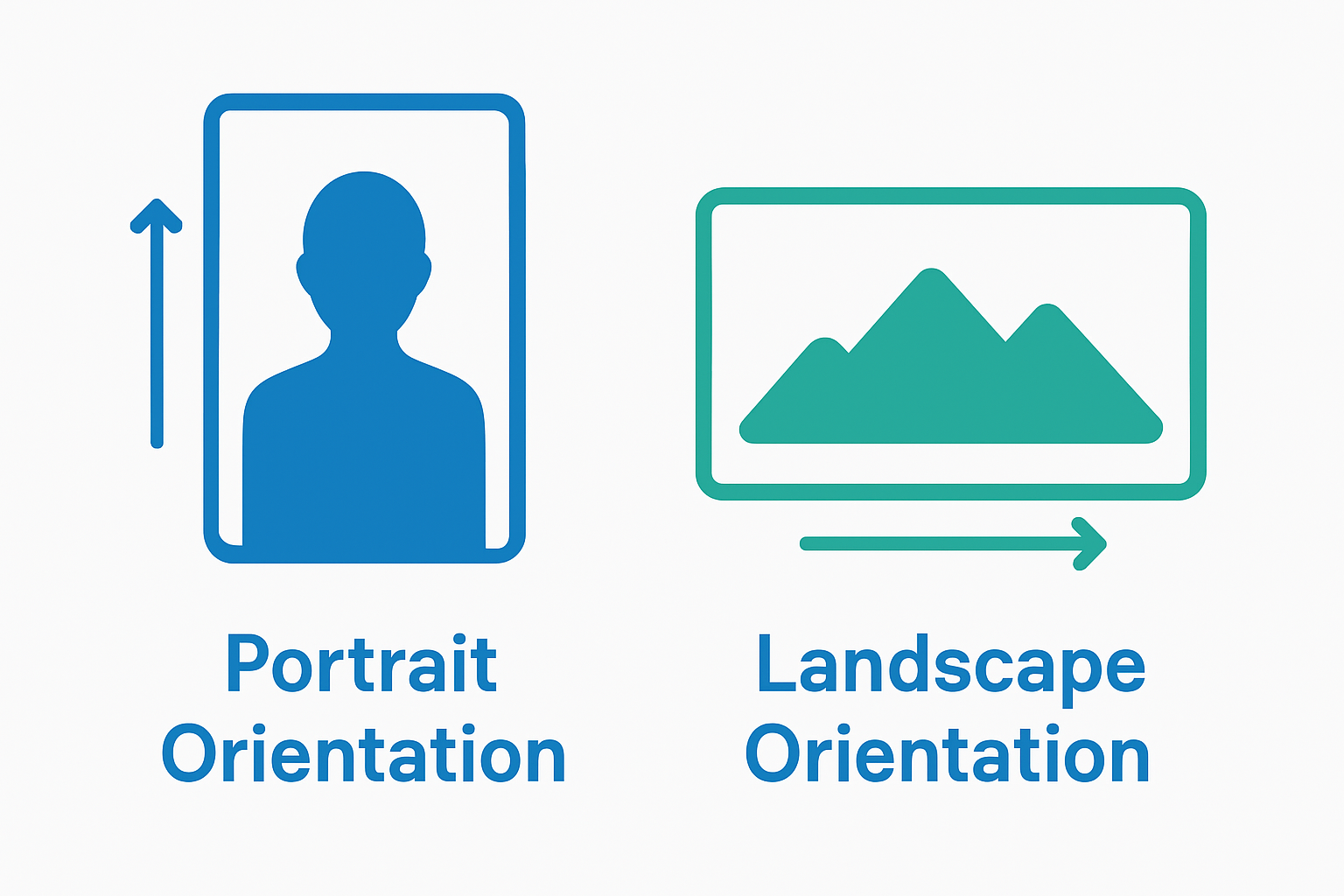
Understanding when to use each orientation requires technical skill and creative intuition. Professional photographers often switch between portrait and landscape orientations to maximize visual impact, using the chosen format to highlight specific compositional elements. Some subjects demand a particular orientation, while others can be effectively captured in either format. Ultimately, the choice depends on the photographer’s creative vision, the subject’s inherent characteristics, and the desired emotional and visual communication of the image.
Popular Uses for Portrait Orientation Photos
Portrait orientation is a versatile photographic technique that finds applications across numerous professional and creative domains. Portrait photography stands as the most obvious and classic use, where vertical framing allows photographers to capture the full essence of an individual, emphasizing facial expressions, body language, and personal characteristics. Portrait photography tips can help photographers maximize the potential of this orientation.
Beyond traditional human portraiture, portrait orientation proves invaluable in architectural and urban photography. Tall buildings, skyscrapers, church spires, and other vertical structures are perfectly captured using this orientation, which highlights their impressive height and architectural details. This approach allows photographers to showcase the verticality of urban landscapes, creating images that communicate the grandeur and vertical complexity of built environments.
Documentary, editorial, and lifestyle photography also frequently leverage portrait orientation to create intimate, focused visual narratives. Magazines, photojournalism, and personal storytelling benefit from this orientation’s ability to draw viewers into specific moments and emotional experiences. Whether capturing a worker in their environment, documenting cultural practices, or creating personal narrative photography, the vertical frame provides a concentrated visual perspective that invites deeper viewer engagement.
Additionally, portrait orientation has become increasingly important in digital media and social platforms. Smartphone photography, social media stories, and vertical video content have normalized this orientation, making it a critical format for contemporary visual communication. From personal blogs to professional marketing materials, portrait orientation offers a powerful way to create visually compelling content that captures attention and communicates complex stories through a vertical lens.
Common Mistakes and How to Avoid Them
Choosing the right photographic orientation requires careful consideration and a nuanced understanding of compositional principles. Orientation mistakes can significantly compromise the visual impact and storytelling potential of an image, turning potentially powerful photographs into underwhelming compositions. Common photography mistakes often stem from hasty decision-making and a lack of intentional framing.
One of the most frequent errors photographers make is forcing a subject into an inappropriate orientation. Photographers sometimes rigidly commit to portrait or landscape orientation without considering the subject’s natural dimensions and visual flow. Wide landscapes squeezed into vertical frames or tall subjects compressed horizontally can create awkward, uncomfortable visual experiences. The key is to assess each subject’s unique characteristics, allowing the subject’s inherent shape and context to guide your orientation choice.
Technical limitations can also lead to orientation mistakes. Many amateur photographers fail to consider how camera settings and lens characteristics interact with different orientations. Depth of field, focal length, and camera stability can vary dramatically when switching between portrait and landscape modes. Some photographers neglect to adjust their camera settings when rotating the camera, resulting in inconsistent exposure, focus, or image quality. Professionals recommend taking multiple shots in different orientations and carefully evaluating each composition to determine the most effective approach.
Perhaps the most subtle yet critical mistake is neglecting the emotional and narrative potential of orientation. Each orientation tells a different story, communicates distinct feelings, and guides the viewer’s eye in unique ways. Failing to understand how vertical or horizontal framing influences perception can result in photographs that miss their intended emotional impact. Successful photographers develop an intuitive sense of how orientation contributes to visual storytelling, treating it as a fundamental creative tool rather than a mere technical choice.
Tips for Mastering Portrait Orientation Shots
Mastering portrait orientation requires a strategic approach that goes beyond simply rotating your camera. Vertical composition demands careful consideration of subject placement, background interaction, and visual storytelling elements. Professional photographers understand that portrait orientation is more than a technical choice it is a creative decision that can dramatically transform an image’s emotional impact and narrative potential. Portrait photography tips can provide critical insights for developing this skill.
Subject positioning becomes paramount when working with vertical frames. Unlike landscape orientation, portrait shots require photographers to think vertically about spatial relationships. This means paying close attention to how a subject’s body language, posture, and vertical lines interact with the frame. Strategic positioning can create a sense of height, power, or intimacy. Photographers should experiment with different angles, encouraging subjects to elongate their bodies, create dynamic vertical lines through pose or clothing, and utilize the full height of the frame.
Background management represents another crucial aspect of successful portrait orientation shots. The vertical frame naturally draws the viewer’s eye from top to bottom, making background elements more prominent and potentially distracting. Skilled photographers learn to control background complexity by using techniques like shallow depth of field, selecting neutral or complementary backgrounds, and positioning subjects to minimize visual clutter. Careful background selection can transform a simple portrait into a compelling visual narrative that guides the viewer’s attention precisely where intended.
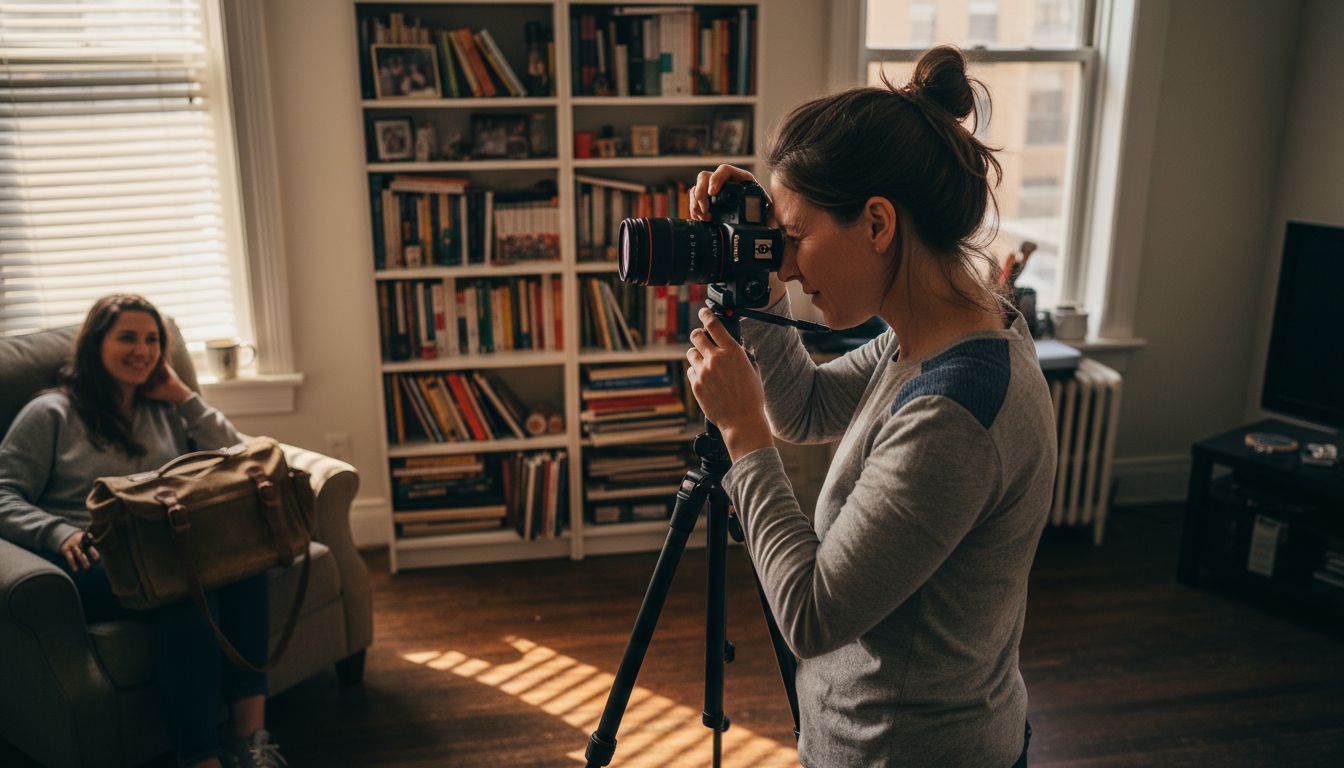
Technical considerations also play a significant role in portrait orientation photography. Camera stability becomes more critical when shooting vertically, as slight movements can create more noticeable blur or composition shifts. Photographers should use tripods when possible, adjust camera settings to compensate for vertical shooting, and practice maintaining consistent image quality across different orientations. Understanding how focal length, aperture, and camera balance change when rotating between portrait and landscape modes can help photographers create more intentional, professional vertical compositions.
Take Your Portrait Orientation Skills to the Next Level
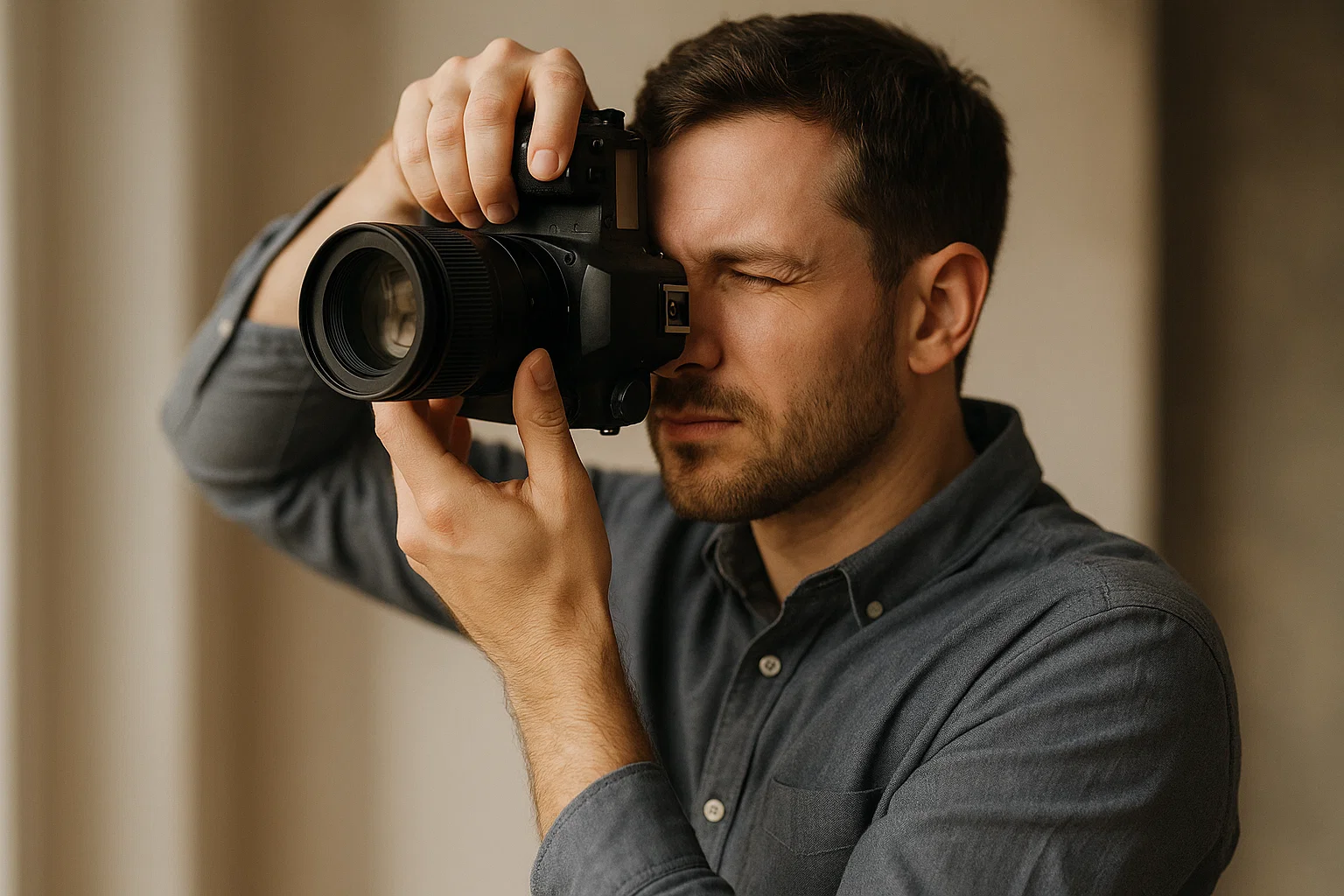
Understanding how to master portrait orientation is essential for creating captivating and intimate images that truly connect with your subject. If you have ever struggled with choosing the right framing or want to enhance your vertical compositions, you are not alone. Many photographers face challenges like subject placement, managing backgrounds, and technical settings when switching to portrait mode. This article outlined these common pain points and demonstrated why vertical framing can transform your photography by emphasizing height, intimacy, and storytelling.
Now is the perfect time to build on this knowledge and improve your technique with hands-on tips and expert advice. Visit Amateur Photographer Guide, your go-to resource for practical tutorials and helpful guides. Explore valuable insights such as portrait photography tips and advice on how to take better portrait photos to polish your skills. Don’t wait to create stunning vertical shots that draw viewers in and tell your story powerfully. Start your journey today by visiting Amateur Photographer Guide and unlock your full creative potential.
Frequently Asked Questions
What is portrait orientation in photography?
Portrait orientation refers to a vertical format where the height of an image or document is greater than its width. This orientation is commonly used to capture tall subjects, such as people and buildings, providing an intimate and focused perspective.
How do I decide when to use portrait orientation over landscape?
Choose portrait orientation when your subject is tall or when you want to emphasize vertical elements. This orientation helps to create a concentrated visual narrative and works well for individual portraits or subjects requiring elevation.
What are some common uses for portrait orientation?
Portrait orientation is widely used in portrait photography, architectural photography, and documentary work. It is also popular in digital media, especially on social media platforms, where vertical images engage viewers more effectively.
What mistakes should I avoid when shooting in portrait orientation?
Avoid forcing a subject into an inappropriate orientation by understanding your subject’s natural dimensions. Pay attention to camera settings, as improper adjustments between orientations can lead to exposure or focus issues. Additionally, consider the emotional impact of your orientation choice on storytelling.
Recommended
- What Is Portrait Mode? Complete Photography Guide – Amateur Photographer Guide
- How to Take Better Portrait Photos: A Definitive Guide – Amateur Photographer Guide
- 7 Essential Portrait Photography Tips for Better Results – Amateur Photographer Guide
- 8 Essential Portrait Photography Tips for Better Results – Amateur Photographer Guide
Last update on 2026-07-21 / Affiliate links / Images from Amazon Product Advertising API

Dave King
Hi, I'm Dave, the founder of Amateur Photographer Guide. I created this site to help beginner and hobbyist photographers build their skills and grow their passion. Here, you’ll find easy-to-follow tutorials, gear recommendations, and honest advice to make photography more accessible, enjoyable, and rewarding.